
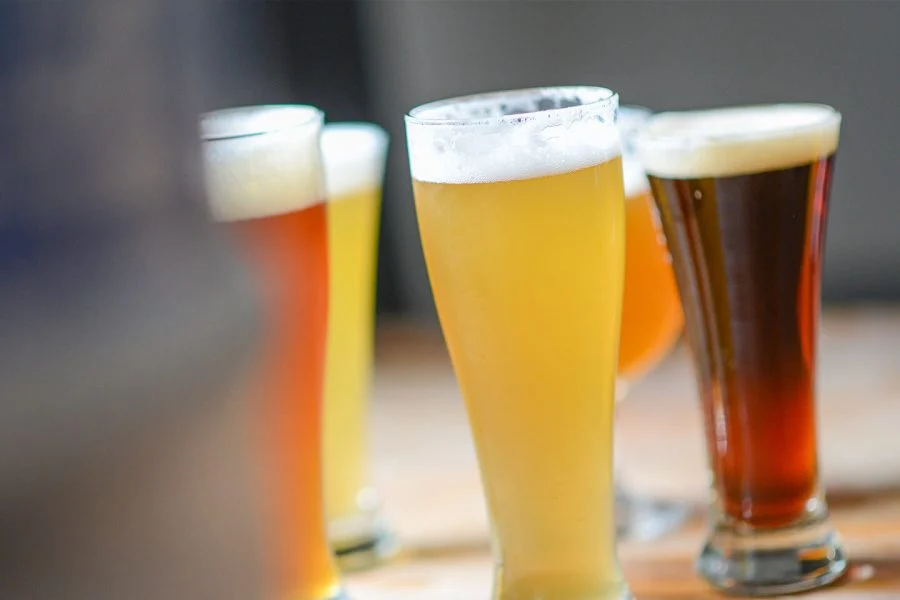
Adam Wyss of Alamo, California, a distinguished member of the Diablo Order of Zymiracle Enthusiasts (DOZE), has ascended to the pinnacle of homebrewing achievement, securing a coveted gold medal in Category 8: American Wheat and Blonde at the prestigious 2026 National Homebrew Competition Final Round. Wyss’s expertly crafted beer triumphed over a field of 60 formidable entries, showcasing the exceptional quality and innovation present in the burgeoning homebrewing community. This victory marks a significant milestone for Wyss and highlights the continued evolution of homebrewing as a sophisticated craft demanding precision, creativity, and a deep understanding of brewing science.
The National Homebrew Competition: A Premier Showcase for Craftsmanship
The National Homebrew Competition (NHC), organized by the American Homebrewers Association (AHA), stands as the largest and most prestigious beer competition in the world for homebrewers. Annually, thousands of passionate individuals submit their meticulously crafted brews for evaluation by a panel of highly skilled judges. The competition spans a wide array of beer styles, meticulously categorized to ensure fair and accurate assessment. Achieving a medal at the NHC, particularly a gold in a competitive category, is a testament to a brewer’s mastery of ingredients, process, and overall beer quality. The NHC serves not only as a platform for recognizing individual talent but also as a vital mechanism for advancing the art and science of brewing, fostering a culture of continuous improvement and shared knowledge within the homebrewing community. The competition’s rigorous judging criteria, which often align with those used in professional brewing contexts, ensure that winning entries represent the zenith of their respective styles.
A Journey to the Podium: Wyss’s Path to Victory
Wyss’s winning entry, a meticulously brewed American Wheat and Blonde ale, impressed judges with its balance, clarity, and adherence to style guidelines. The journey to this gold medal likely involved countless hours of recipe development, ingredient sourcing, and iterative brewing processes. The American Wheat and Blonde category is known for its emphasis on a clean, crisp profile, often featuring subtle hop aromatics and a smooth mouthfeel, with the wheat contributing a slight haze and enhanced body. Success in this category requires a delicate hand in balancing the malt bill, hop additions, and yeast selection to achieve a beer that is both refreshing and flavorful.
The competition structure typically involves multiple rounds of judging. Initial judging occurs at regional or sectional levels, with winners advancing to the national finals. This tiered approach allows for a broad participation while ensuring that only the most exceptional beers reach the ultimate stage. The final round judging is notoriously stringent, with top-tier judges meticulously evaluating each beer against a comprehensive set of criteria, including aroma, appearance, flavor, mouthfeel, and overall impression. For Wyss’s beer to emerge victorious from a pool of 60 high-caliber entries signifies a truly outstanding achievement.
Unveiling the Recipe: A Glimpse into Excellence
The provided recipe for Adam Wyss’s gold medal-winning American Wheat and Blonde ale offers a detailed blueprint of the brewing process and ingredient choices that contributed to its success. This transparency is a hallmark of the homebrewing community and allows enthusiasts to learn from and replicate the techniques of award-winning brewers.
Malt Bill and Adjuncts:
The foundation of Wyss’s brew rests on a carefully selected malt bill designed to deliver the characteristic profile of an American Wheat and Blonde ale.
- 8.5 lb. (3.86 kg) Pale 2-Row Malt: This forms the primary base malt, providing fermentable sugars and a clean, neutral malt backbone. Its versatility makes it a staple in many blonde and pale ale recipes.
- 1 lb. (454 g) White Wheat Malt: The inclusion of wheat malt is crucial for this style. It contributes to a slightly fuller body, a softer mouthfeel, and often a subtle haze, enhancing the beer’s visual appeal and drinking experience. White wheat malt generally offers a milder wheat character compared to red wheat.
- 8 oz. (227 g) Dextrin Malt: This specialty malt plays a vital role in body and mouthfeel. Dextrins are non-fermentable sugars that remain in the beer after fermentation, contributing to a more complete, lingering sensation on the palate without adding sweetness. This helps achieve the desired body without relying on residual sweetness.
Hops:
The hop selection in this recipe emphasizes aroma and a subtle, balanced bitterness appropriate for the style.
- 0.25 oz. (7 g) Warrior hops (15% alpha acid) at 60 minutes: A significant portion of the hop bitterness is established early in the boil. Warrior hops are known for their high alpha acid content, making them an efficient bittering hop. Their use at the 60-minute mark ensures a clean, foundational bitterness without imparting excessive hop flavor or aroma that might detract from the delicate malt and yeast character.
- 1 oz. (28 g) Mandarina Bavaria hops (11.3% alpha acid) at 5 minutes: These hops are added towards the end of the boil to contribute aroma and flavor. Mandarina Bavaria hops are renowned for their distinct citrusy notes, particularly tangerine and mandarin orange, which would likely lend a pleasant, refreshing aroma to the finished beer, complementing the clean malt profile.
Yeast:
The choice of yeast is paramount in defining a beer’s character.

- 1 pack Imperial House Ale: Imperial Yeast is a well-regarded liquid yeast manufacturer. Their "House Ale" strain is typically a versatile ale yeast known for producing clean, balanced fermentation characteristics with a slight ester profile, suitable for a wide range of American ales. The decision to use a fresh, reputable strain like this is a critical factor in achieving a clean fermentation, which is essential for an American Wheat and Blonde ale. The directions also humorously allude to reviving out-of-date yeast, but the winning recipe likely benefited from a healthy, active yeast culture.
Water Profile:
The water profile is a nuanced yet critical component of brewing, influencing hop perception and overall mouthfeel. The specified water chemistry suggests a balanced profile, leaning slightly towards chloride to enhance malt character and provide a smoother mouthfeel.
- Ca 51 ppm, Mg 9 ppm, Na 21 ppm, Cl 74 ppm, SO4 74 ppm, HCO3 36 ppm: This profile indicates a moderate calcium content, beneficial for enzyme activity during mashing and yeast health. The chloride to sulfate ratio (approximately 1:1) suggests a balanced profile that would support both malt and hop characteristics. The higher chloride levels, compared to sulfates, would contribute to a rounder, more full-bodied mouthfeel, while the moderate sulfate levels prevent the beer from becoming too harsh.
Additional Items:
- 1 tablet Whirlfloc at 5 minutes: Whirlfloc is a fining agent used to help clarify the beer by coagulating proteins and other suspended particles towards the end of the boil. This contributes to the beer’s bright appearance, a key characteristic of many blonde ales.
Brewing Specifications: The Technical Framework
The technical specifications of Wyss’s brew provide further insight into the precision employed in its creation:
- Yield: 6.5 U.S. gal. (24.6 L): A standard batch size for homebrewers, yielding enough beer for sharing and aging.
- Original Gravity: 1.048 (12°P): This indicates a medium-bodied beer, falling within the typical range for an American Wheat and Blonde ale, providing sufficient fermentable sugars for a balanced alcohol content.
- Final Gravity: 1.011 (2.7°P): A relatively low final gravity suggests efficient fermentation and the contribution of non-fermentable sugars from the dextrin malt, resulting in a dry but not thin finish.
- ABV: 5%: This alcohol by volume is characteristic of the style, making it highly drinkable and sessionable.
- IBU: 25: This International Bitterness Units value places the beer in the moderate bitterness range, where the hop bitterness is present but does not overpower the malt and yeast character.
- SRM: 3: A low Standard Reference Method value indicates a pale straw to light gold color, consistent with the "blonde" aspect of the beer style.
- Efficiency: 96%: An exceptionally high brewing efficiency suggests meticulous process control, from mash temperature and duration to wort separation and boil. Achieving such high efficiency indicates a mastery of extract conversion and minimal losses throughout the brewing process.
The Brewing Philosophy: Embracing the Spirit of Homebrewing
The "Directions" section of the article offers a unique and humorous glimpse into Wyss’s brewing philosophy, encapsulating the spirit of homebrewing. The narrative of improvising with ingredients and yeast, and the serendipitous success that followed, highlights the adaptable and often experimental nature of homebrewing. The quote, "Relax, don’t worry, have a homebrew," attributed to Charlie Papazian, a foundational figure in the American homebrewing movement, serves as a guiding principle for many brewers. It underscores the idea that while precision and skill are important, the joy and camaraderie derived from the brewing process itself are equally vital. This anecdote suggests that while Wyss’s winning beer was expertly crafted, it also benefited from a spirit of adventure and a willingness to embrace the unexpected.
The detailed instructions for mashing at 150°F (66°C) for 60 minutes align with standard practices for achieving a balanced fermentable sugar profile. The note about pitching out-of-date yeast and the subsequent temperature management during fermentation—allowing it to rise from 67°F (19°C) to 70°F (21°C)—further emphasizes the brewer’s adaptability and understanding of yeast behavior. This controlled temperature rise is a common technique to encourage yeast to finish fermentation effectively and produce desired flavor compounds.
Broader Impact and Implications
Adam Wyss’s gold medal victory at the National Homebrew Competition has several implications for the homebrewing community and beyond. Firstly, it serves as an inspiration to aspiring homebrewers, demonstrating that dedication and skillful execution can lead to national recognition. The detailed recipe shared by Wyss provides a valuable resource for other brewers looking to explore the American Wheat and Blonde style.
Secondly, such accolades contribute to the growing prestige of homebrewing as a legitimate craft. As more homebrewers achieve a level of expertise that rivals or even surpasses that of some professional brewers, it blurs the lines between amateur and professional, fostering a richer and more collaborative brewing ecosystem. The AHA’s commitment to promoting homebrewing through events like the NHC plays a crucial role in this ongoing evolution.
Finally, the success of beers like Wyss’s highlights the diversity and innovation within the craft beer scene. American Wheat and Blonde ales, while a popular and accessible style, can be elevated to extraordinary levels through thoughtful ingredient selection and precise execution. This underscores the fact that excellence in brewing can be found at all scales, from a homebrew setup to a large commercial brewery. The competition also provides valuable data points for trends in ingredient usage and brewing techniques, which can influence both homebrewers and commercial craft breweries. The continued popularity of specific hop varieties, like Mandarina Bavaria, and the emphasis on achieving high brewing efficiency, are indicators of evolving best practices within the community.
In conclusion, Adam Wyss’s gold medal triumph is a significant achievement, celebrating not only his personal success but also the vibrant and ever-advancing world of homebrewing. His win at the 2026 National Homebrew Competition is a beacon for brewers worldwide, showcasing the artistry, science, and passion that define this beloved hobby.


