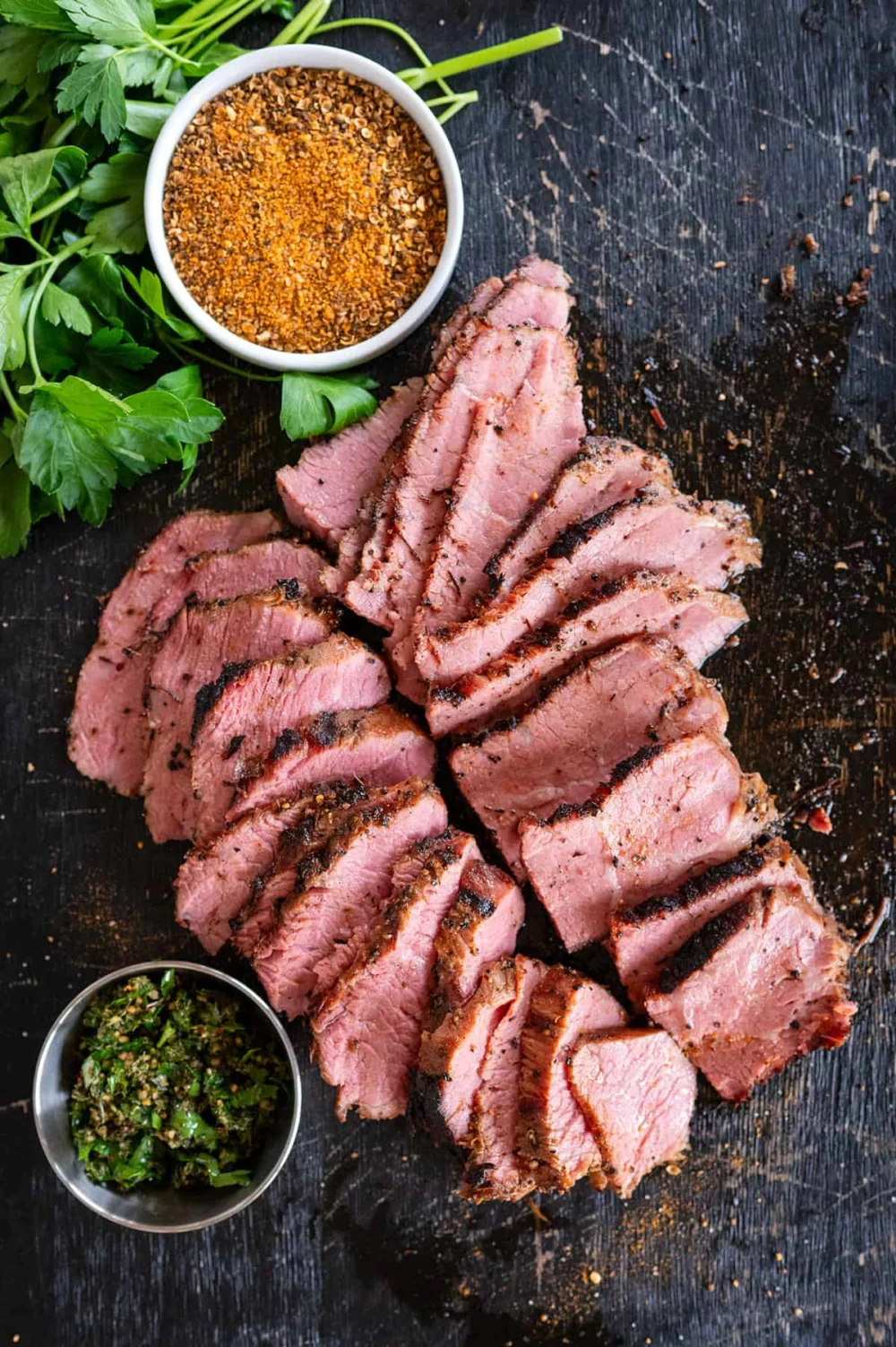
The culinary landscape of grilled meats is constantly evolving, with enthusiasts and pitmasters alike seeking innovative ways to elevate classic dishes. One such fusion that has gained significant traction is the transformation of a beef tri-tip into a pastrami-inspired delight. This method, detailed in a recent culinary guide, champions a meticulous weeklong brining process followed by a swift, high-heat grilling technique. The result is a remarkably tender, smoky, and flavorful beef cut, equally suited for elegant slicing or as the star ingredient in hearty sandwiches. This approach highlights a growing trend in home cooking: the desire to replicate complex, restaurant-quality flavors through patient preparation and precise execution.
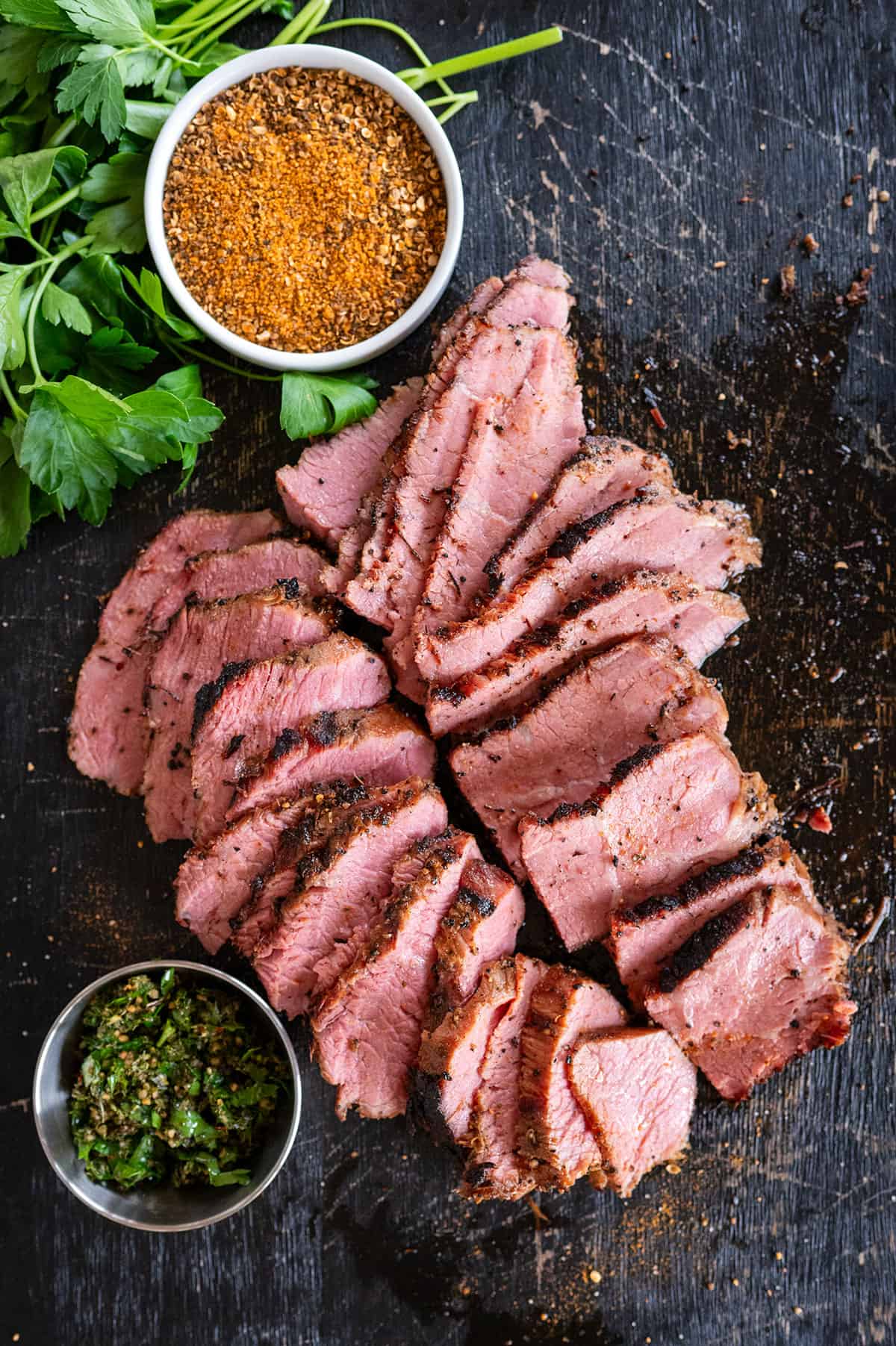
Understanding the Pastrami Process: Beyond Brisket
The fundamental concept of pastrami involves curing meat for an extended period in a wet brine, followed by a meticulous seasoning with a characteristic pastrami rub, and finally, a slow smoking process. Traditionally, pastrami is most famously associated with beef brisket, a notoriously tough cut that benefits immensely from the long curing and smoking times to achieve its signature tenderness and deep flavor profile. However, the technique is versatile, capable of transforming various protein sources.
The recent adaptation of this method to beef tri-tip offers a compelling alternative for those seeking a quicker yet equally rewarding pastrami experience. Tri-tip, a lean cut originating from the bottom sirloin, presents a distinct advantage: its inherent tenderness means it does not require the prolonged cooking times typically associated with brisket. This characteristic allows for a more accelerated overall preparation, making it an attractive option for home cooks with limited time but a desire for sophisticated flavors.

According to culinary experts, the ideal internal temperature for a pastrami-style tri-tip, when aiming for optimal tenderness and juiciness, hovers around 135°F (57°C). Achieving this target typically takes approximately 35 to 40 minutes on the grill, a stark contrast to the multi-hour smokes required for brisket. This efficiency does not compromise the depth of flavor; instead, it leverages the natural qualities of the tri-tip to create a unique pastrami iteration.
The Art of the Brine: A Seven-Day Transformation
The cornerstone of this pastrami tri-tip recipe lies in its patient, week-long brining process. This extended period allows the curing agents to penetrate the meat, imparting flavor, enhancing moisture retention, and beginning the tenderization process. The brine itself is a carefully balanced mixture, typically comprising a base of water infused with specific salts and sugars. While the exact composition can vary, the goal is to create an environment where the meat can undergo a chemical transformation without becoming overly salty or losing its inherent beefy character.

To prepare the brine, one cup of a specialized pastrami brine mixture is dissolved in eight cups of warm water. It is crucial to allow this solution to cool completely before introducing the tri-tip. Once cooled, the tri-tip is submerged in the brine, typically within a food-grade meat preparation bag to ensure full coverage and to minimize the risk of contamination. This refrigerated bath continues for a full six days. This extended duration is key to achieving the desired level of cure and flavor infusion, setting the stage for the subsequent steps.
Seasoning and Drying: Building the Flavor Crust
Following the six-day brining period, the tri-tip undergoes a crucial preparation phase: rinsing and drying. The meat is removed from the brine and thoroughly rinsed under cold running water. This step is essential to wash away any excess salt that may have accumulated on the surface, preventing the final product from being too saline. After rinsing, the tri-tip is meticulously patted dry with paper towels. This step is vital for the next stage, allowing the pastrami rub to adhere properly and for a desirable crust to form during the grilling process.

Once dried, the tri-tip is generously coated with a pastrami rub. This rub is a complex blend of spices, often featuring coriander, black pepper, mustard seed, and sometimes paprika and garlic powder, which contribute to the characteristic aroma and taste of pastrami. The seasoned tri-tip is then placed back in the refrigerator, uncovered, for an additional day. This uncovered period serves a dual purpose: it allows the surface to dry further, promoting a better sear on the grill, and enables the spices from the rub to meld with the cured meat.
The Grilling Finale: High Heat, Maximum Flavor
The culmination of the preparation is the grilling process, which is designed to cook the tri-tip quickly while developing a flavorful exterior. The grill is preheated to a medium-high temperature, ideally between 350°F and 375°F (175°C to 190°C), with a direct heat zone established. The seasoned and dried tri-tip is placed directly over this heat source.

Throughout the cooking process, a basting liquid is applied. This liquid typically consists of a mixture of oil, red wine vinegar, garlic, and salt. It is often heated gently on the grill in a small pot. The basting liquid is applied to the tri-tip each time it is flipped, which occurs every five to seven minutes. This technique serves multiple purposes: it adds moisture, contributes to the development of a flavorful crust, and helps to distribute the seasonings evenly. The grilling continues until the internal temperature of the tri-tip reaches approximately 135°F (57°C), indicating a perfect medium-rare to medium doneness.
Serving and Storage: Enjoying the Pastrami Creation
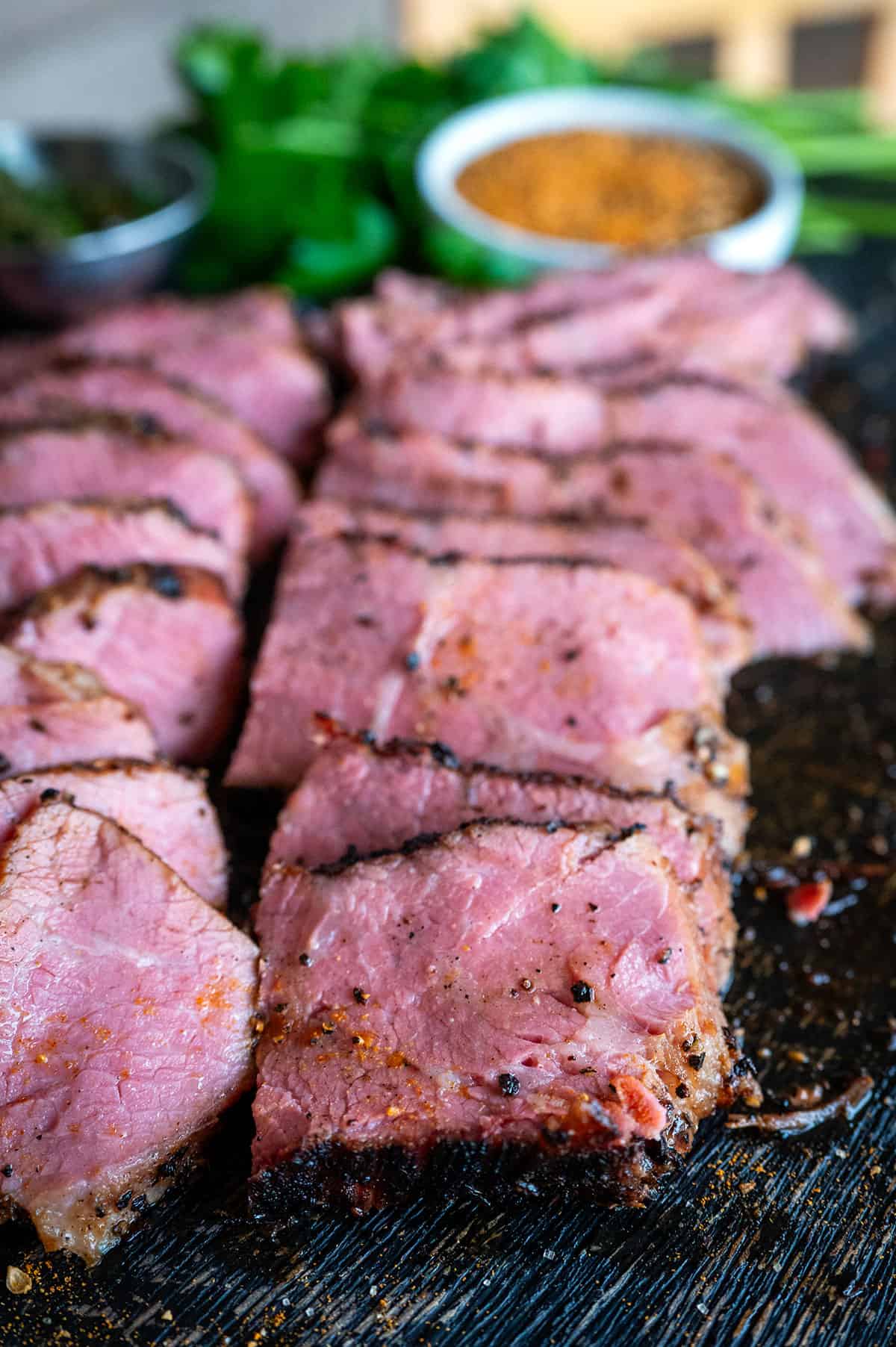
Once the tri-tip reaches its target internal temperature, it is removed from the grill and allowed to rest for 10 to 15 minutes. This resting period is critical, allowing the juices within the meat to redistribute, ensuring a more tender and moist final product. After resting, the tri-tip is sliced against the grain. This slicing technique shortens the muscle fibers, making the meat exceptionally easy to chew.

The pastrami tri-tip is a versatile dish, adaptable to various serving styles. It can be enjoyed on its own as a centerpiece, accompanied by classic barbecue sides such as potato salad, coleslaw, or baked beans. Alternatively, it can be transformed into a gourmet sandwich, piled high on toasted bread or soft buns, perhaps with a smear of mustard or a dollop of pickles.
Leftover pastrami tri-tip can be stored in an airtight container in the refrigerator for up to a week. For longer storage, it can be frozen for several months. Reheating can be done efficiently in the microwave or by gently warming it in a skillet, ensuring it retains its succulence.
Broader Implications and Culinary Trends
The popularity of this pastrami tri-tip recipe reflects a broader trend in the culinary world: the democratization of complex cooking techniques. With accessible guides and readily available ingredients, home cooks are increasingly empowered to explore and master dishes previously confined to professional kitchens or specialized delis. This movement is fueled by a desire for authentic flavors, a greater appreciation for the craft of cooking, and the inherent satisfaction of creating something delicious from scratch.
Furthermore, the adaptability of the pastrami method to different cuts of meat like tri-tip speaks to a culinary innovation that prioritizes both flavor and efficiency. As consumers seek convenience without compromising on quality, recipes that offer a shorter yet impactful preparation timeline are likely to continue gaining prominence. The success of this pastrami tri-tip recipe underscores the enduring appeal of classic flavor profiles when reimagined with accessible techniques and versatile ingredients. It invites a wider audience to explore the world of cured and smoked meats, proving that restaurant-quality pastrami can indeed be achieved in a home kitchen with patience and a well-defined process.