The Science Behind Siphoning: Air Expulsion and Liquid Loss
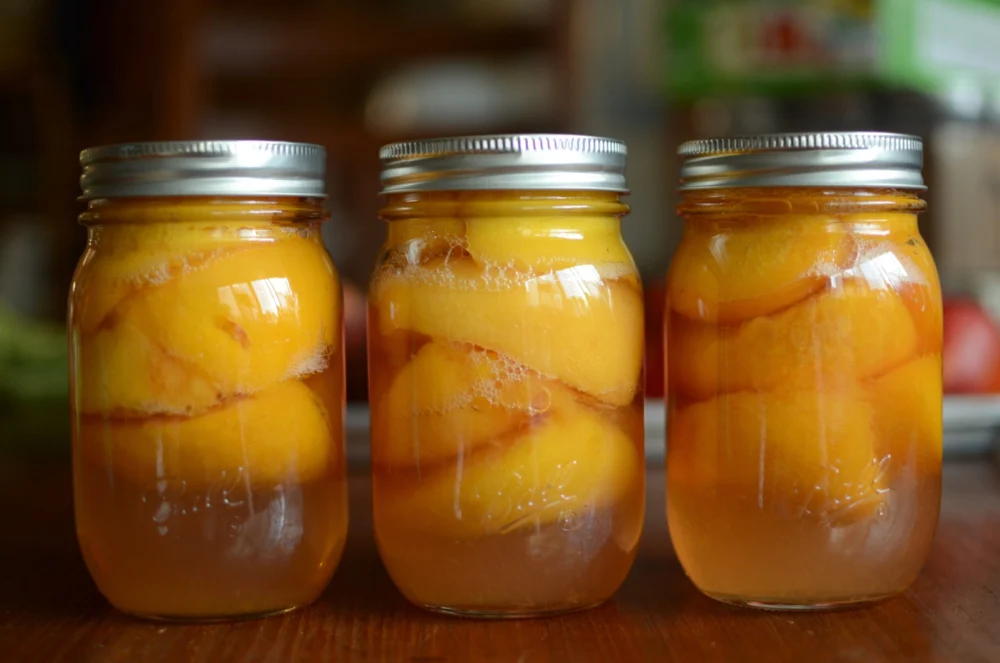
The root cause of sticky jars lies in the intrinsic properties of fresh fruit and the dynamics of heat processing. Raw or lightly cooked fruit flesh, such as peaches, pears, or plums, contains a significant amount of entrapped air within its cellular structure. During the thermal processing phase in a water bath or pressure canner, the fruit heats up, causing this internal air to expand. As the air expands, it seeks an escape route, pushing its way out of the jar. This egress is facilitated by the design of canning lids, which are intended to allow air to vent during processing while forming a vacuum seal upon cooling.
Crucially, the canning rings are typically tightened only to "fingertip tight" before processing. This specific tension allows for sufficient venting of air without preventing it entirely, which is vital for proper sealing. As the air escapes, it often carries with it small amounts of the surrounding canning liquid—be it syrup, juice, or water—out from under the lid. This process, known in the home preservation community as "siphoning," can continue even after the jars are removed from the canner as they begin to cool. The sugar content in the fruit and the canning liquid contributes to the characteristic stickiness once this expelled liquid dries on the jar’s surface. This is a physical process driven by pressure equalization and thermal expansion, not an indication of bacterial contamination or a failed seal, provided the lid remains concave and secure.
Assessing Jar Integrity and Ensuring Safety

While sticky jars are generally benign, it is paramount for home canners to confirm that the seals are intact before storing their preserved goods. A proper seal is indicated by a concave lid that does not flex when pressed in the center. If a lid is still bulging or pops up and down when pressed, the jar has not sealed correctly and must be reprocessed or refrigerated for immediate consumption. For jars with confirmed seals, the sticky residue itself poses no safety risk.
Once the jars have completely cooled—typically 12 to 24 hours after removal from the canner—the rings should be removed. This practice is critical for several reasons: it prevents false seals (where the ring holds the lid down without a true vacuum), allows for easier cleaning, and reduces the risk of rust forming between the ring and the lid. After removing the rings, the sealed jars should be gently washed in warm, soapy water to remove all traces of the sticky residue. This step is not just for aesthetics; sugar residue can attract pests like ants or mice and can also harbor mold spores if left uncleaned, potentially compromising the integrity of the lid over long storage periods. After washing, the jars should be air-dried and then stored without their rings in a cool, dark, dry place, ideally between 50-70°F (10-21°C).
Understanding the Impact of Liquid Loss on Product Quality
In some instances, siphoning can lead to a significant loss of canning liquid from the jar. While a sealed jar with reduced liquid remains safe for consumption, it may experience a decline in quality over time compared to jars that retain their full complement of liquid. The primary concern with substantial liquid loss is the exposure of the uppermost pieces of fruit to air within the jar. This exposure can result in discoloration, often browning, and a change in texture, becoming softer or mushier.
Food preservation experts consistently advise that jars experiencing significant liquid loss should be prioritized for consumption. This proactive approach ensures that the fruit is enjoyed at its peak quality before potential degradation due to air exposure. If, upon opening a jar, the top layer of fruit exhibits noticeable discoloration or an undesirable texture, it is prudent to discard those affected pieces while the remainder, fully submerged and protected, can be safely consumed. The integrity of the vacuum seal ensures safety, but liquid acts as a protective barrier against oxidation and maintains optimal texture.

Strategic Prevention: Embracing the Hot Pack Method
One of the most effective strategies to mitigate liquid loss and sticky jars is to employ the hot pack method rather than the cold pack method for fruit preservation. The cold pack method involves placing raw, prepared fruit into jars and then covering it with hot liquid (syrup, juice, or water). While acceptable for some fruits and recipes, this technique leaves more air trapped within the fruit cells and between fruit pieces, making siphoning more probable during processing.
In contrast, the hot pack method involves briefly cooking or simmering the prepared fruit in the canning liquid before it is packed into jars. For example, peaches would be peeled and then gently heated in a hot syrup. This brief pre-cooking step serves multiple critical functions:
- Air Removal: Heating the fruit causes much of the entrapped air to escape before the fruit is even sealed in the jar. This significantly reduces the amount of air that needs to be vented during the actual canning process, thereby minimizing the likelihood of liquid being pushed out.
- Increased Yield: As fruit heats, it softens and shrinks slightly. Hot packing allows canners to fit more fruit into each jar, maximizing efficiency and making the preservation process more satisfying.
- Improved Texture: For some fruits, hot packing can lead to a more desirable texture in the final product, as it helps to set the pectin and prevents the fruit from becoming overly soft.
Recipes for items like Gingery Pickled Peaches exemplify the hot pack technique, demonstrating how pre-cooking fruit in a flavorful medium not only reduces siphoning risks but also enhances the overall culinary profile of the preserved item.
Temperature Management: The Key to Gradual Cooling

Another crucial factor in preventing siphoning and liquid loss is managing the temperature changes experienced by the jars immediately after processing. Rapid temperature fluctuations are a primary trigger for liquid expulsion. When jars are abruptly removed from a hot canner into a cooler environment, the sudden pressure differential can force liquid out from under the lid.
To counteract this, food preservation guidelines recommend a period of gradual cooling within the canning pot. Once the prescribed processing time is complete, the heat source (e.g., electric burner) should be turned off. If using an electric stove, it is advisable to carefully slide the canner off the hot burner. The lid of the canner should then be removed, and the jars should be allowed to rest in the hot water bath for an additional 5 to 10 minutes. This controlled cooling period allows the internal pressure within the jars to equalize more slowly with the external environment, significantly reducing the propensity for siphoning. After this resting period, the jars can then be carefully removed and placed on a clean towel or cooling rack, ensuring they are not exposed to drafts or cold surfaces that could induce further rapid cooling. If, after the initial 5-10 minutes, a jar is still visibly leaking liquid, it can be returned to the canner for another 5-minute resting interval.
Comprehensive Best Practices for Optimal Canning Results
Beyond hot packing and gradual cooling, several other best practices contribute to minimizing liquid loss and ensuring successful preservation:
- Proper Headspace: Adhering strictly to the recommended headspace (the empty space between the food surface and the rim of the jar) is vital. Too little headspace can lead to liquid boiling out during processing, while too much can hinder proper sealing and lead to discoloration.
- Avoid Overpacking: While hot packing helps fit more fruit, overpacking jars can prevent proper liquid circulation and air venting, increasing the risk of siphoning.
- Finger-Tight Rings: As mentioned, canning rings should only be tightened to "fingertip tight." Overtightening can prevent air from escaping, leading to buckled lids or failed seals, and can also contribute to siphoning as pressure builds excessively.
- Consistent Processing Temperature: Maintaining a steady, rolling boil for water bath canning or consistent pressure for pressure canning is crucial. Fluctuations can stress the jars and their contents, contributing to liquid loss.
- Use Tested Recipes: Always rely on scientifically tested recipes from reputable sources like the National Center for Home Food Preservation (NCHFP), university extension offices, or USDA guidelines. These recipes ensure appropriate processing times and methods for safety and quality.
Historical Context and Modern Preservation Standards
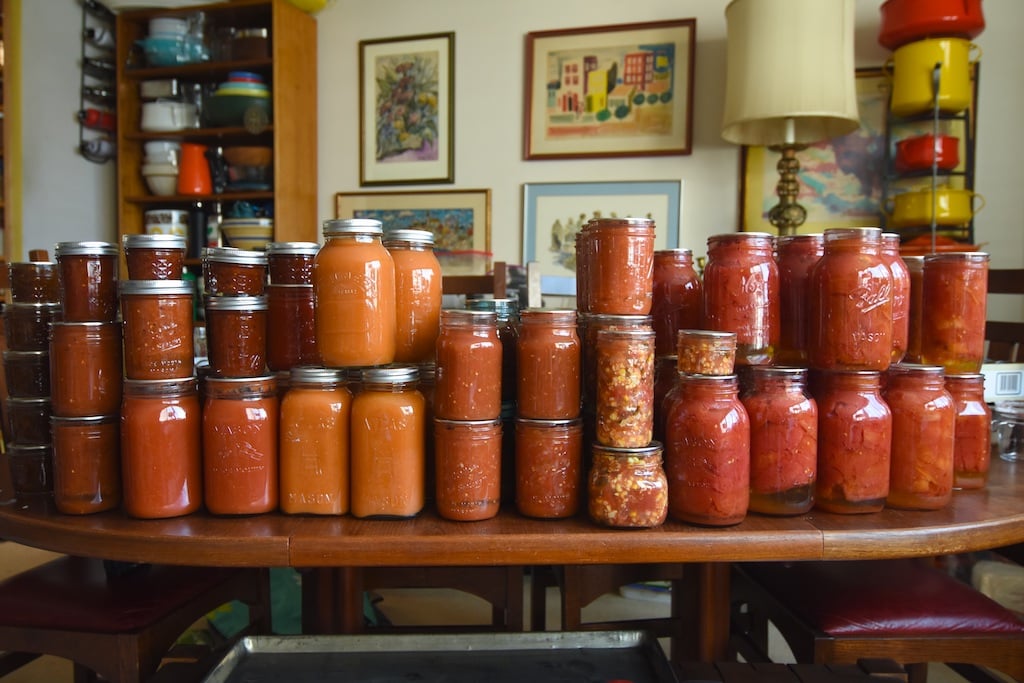
Home canning has a rich history, evolving from early methods of food preservation to the precise, science-backed techniques employed today. Originating in the late 18th century with Nicolas Appert’s work, canning became a widespread practice, particularly during wartime and periods of economic hardship, enabling families to secure their food supply. The early 20th century saw a significant expansion of home canning, often relying on anecdotal methods. However, modern understanding of microbiology and food safety has led to the development of rigorous, research-based guidelines. Organizations like the USDA and NCHFP play a critical role in educating the public on safe canning practices, demystifying common issues, and ensuring that home-preserved foods are both delicious and free from harmful pathogens. The consistency of these guidelines underscores the importance of understanding phenomena like siphoning, which, while visually concerning, are typically benign if proper protocols are followed.
Expert Insights and Practical Implications
Food preservation specialists consistently reassure home canners that sticky jars are a common learning experience and rarely a cause for concern regarding food safety, provided the seal integrity is verified. As one might infer from extension service advice, "The appearance of sticky residue on the outside of your fruit jars is a normal consequence of the canning process, not an indicator of spoilage or a failed seal. Focus on proper sealing and cleaning to ensure long-term quality." This expert consensus reinforces that slight liquid loss is part of the physical changes foods undergo when subjected to heat and pressure.
For the home canner, understanding this phenomenon has practical implications. It reduces anxiety, prevents unnecessary reprocessing or discarding of perfectly safe food, and reinforces the importance of meticulous adherence to established canning protocols. The time and effort invested in harvesting, preparing, and preserving fruit are substantial, making it all the more satisfying to know that a seemingly problematic outcome like sticky jars is often just a normal part of a successful preservation journey.
In conclusion, while the sight of sticky residue on newly canned fruit jars might initially cause alarm, it is a largely innocuous occurrence. By understanding the scientific principles of air expulsion and siphoning, implementing preventative measures such as hot packing and gradual cooling, and consistently following best practices for headspace and ring tightening, home canners can confidently produce safe, high-quality preserved fruits. The journey of home preservation is one of continuous learning, and recognizing normal phenomena like sticky jars is an essential step towards becoming a more confident and skilled canner.