
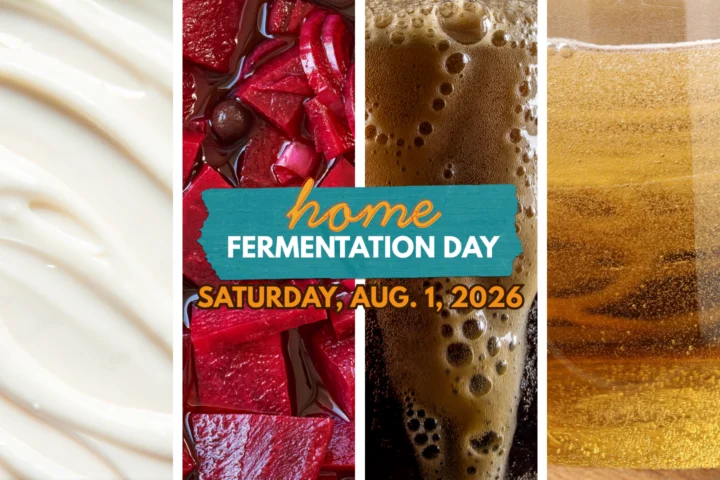
The American Homebrewers Association (AHA) has officially designated August 1, 2026, as Home Fermentation Day, a burgeoning annual observance dedicated to the art, science, and enjoyment of fermentation. This initiative aims to unite a diverse community of enthusiasts, from seasoned homebrewers crafting complex ales and lagers to individuals exploring the world of fermented foods and beverages. The AHA positions itself as a central hub, providing resources, inspiration, and a platform for sharing knowledge across the entire spectrum of fermentation practices.
The Expanding Universe of Fermentation
Home Fermentation Day is more than just a celebration of established traditions; it’s an invitation to explore the vast and often untapped potential of microbial transformations. While the classic realms of beer, mead, and cider brewing remain central to the hobby, the scope of Home Fermentation Day extends to encompass a wide array of fermented products. This includes, but is not limited to, sourdough bread, kimchi, sauerkraut, kombucha, kefir, and a multitude of other fermented foods and beverages that are gaining popularity for their unique flavors, textures, and purported health benefits.
The AHA’s commitment to broadening the understanding and practice of fermentation is evident in its content offerings. Beyond the traditional focus on brewing, the organization actively encourages its members and the wider public to venture into the diverse landscape of fermented foods. This expansion is not merely about adding variety; it represents a deeper engagement with the biological processes that transform simple ingredients into complex, palatable, and often healthful creations. By bridging the gap between beverage fermentation and food fermentation, Home Fermentation Day seeks to foster a more holistic appreciation for the power of microbes in our diets and kitchens.
A Historical Perspective on Fermentation and Homebrewing
Fermentation, as a process, is as old as civilization itself. Ancient cultures across the globe independently discovered and harnessed the power of yeast and bacteria to preserve food, enhance flavors, and produce intoxicating beverages. The earliest evidence of alcoholic beverages, such as wine and beer, dates back thousands of years to Mesopotamia and ancient Egypt. These early ferments were not merely recreational; they were often integral to religious ceremonies, social gatherings, and even as a safer alternative to drinking untreated water.
The scientific understanding of fermentation began to crystallize in the 19th century with the pioneering work of scientists like Louis Pasteur, who identified yeast as the active agent in alcoholic fermentation. This era also saw the development of more controlled brewing techniques, laying the groundwork for modern brewing practices.
Homebrewing, as a widespread hobby, experienced significant growth in the latter half of the 20th century. In the United States, the legalization of homebrewing in 1978 marked a pivotal moment, allowing individuals to legally produce beer for personal consumption. This legislative change, coupled with a growing interest in craft beverages and artisanal food production, has fueled a surge in home fermentation activities. Organizations like the American Homebrewers Association, founded in 1978, emerged to support this burgeoning community, providing educational resources, fostering a sense of camaraderie, and advocating for the interests of homebrewers and fermenters.
The establishment of Home Fermentation Day on August 1st is a strategic move by the AHA to consolidate and elevate the recognition of this multifaceted practice. The date itself does not appear to have a specific historical tie to a singular fermentation event, suggesting it was chosen for its strategic placement within the calendar, perhaps during a time when outdoor activities and social gatherings, often accompanied by fermented beverages, are popular.
The Role of Zymurgy Magazine and AHA Membership
Central to the AHA’s mission of supporting home fermentation is its flagship publication, Zymurgy magazine. Widely recognized as a leading authority on homebrewing, Zymurgy also dedicates significant space to exploring other fermented projects. The magazine serves as a vital conduit for disseminating knowledge, sharing innovative techniques, and highlighting the diverse applications of fermentation. For AHA members, Zymurgy offers instant online access to its extensive archives and delivers four new issues annually, ensuring a continuous flow of relevant content.
The "You Can Ferment That" column, specifically highlighted by the AHA, exemplifies this broader scope, offering practical guidance and inspiration for readers interested in venturing beyond traditional beer. This dedicated section underscores the AHA’s commitment to demystifying fermentation and making it accessible to a wider audience, irrespective of their prior experience.
Membership in the American Homebrewers Association provides exclusive access to a wealth of resources available on HomebrewersAssociation.org. This includes a comprehensive library of articles, recipes, forums, and educational materials that cater to both novice and experienced fermenters. The AHA’s online platform functions as a digital community, fostering interaction among members, facilitating the exchange of ideas, and providing a reliable source of information for troubleshooting and experimentation.
Supporting Data and Trends in Fermentation
The growing interest in home fermentation is supported by several observable trends and market data points. The global fermented foods market, encompassing everything from yogurt and kimchi to kombucha and beer, has seen consistent growth. Reports from market research firms indicate a compound annual growth rate (CAGR) that suggests a sustained consumer demand for fermented products. This demand is driven by several factors:
- Health and Wellness: Fermented foods are increasingly recognized for their probiotic content and potential digestive health benefits. Consumers are actively seeking out natural ways to improve their gut health, and fermented foods are often positioned as a key component of such diets.
- Flavor Exploration: The complex and often unique flavor profiles of fermented foods appeal to adventurous palates. Consumers are moving beyond conventional tastes, seeking out novel and artisanal food experiences.
- Sustainability and Food Preservation: Fermentation is an age-old method of food preservation that reduces waste and extends shelf life, aligning with growing consumer interest in sustainable food practices.
- DIY Culture and Hobbyist Engagement: The "maker" movement and a resurgence of interest in traditional crafts have propelled home fermentation into the spotlight. Many individuals are drawn to the hands-on nature of creating their own fermented foods and beverages.
Specific data points, while not provided in the original text, can be inferred from industry reports. For instance, the global kombucha market alone has seen significant expansion, with market size projections reaching billions of dollars in the coming years. Similarly, the homebrewing sector, while more niche, demonstrates consistent engagement, with millions of individuals participating in the hobby worldwide. The growth of online communities and specialized ingredient suppliers further indicates a robust and expanding ecosystem around home fermentation.
Official Responses and Community Engagement
While the original article doesn’t feature direct quotes from specific individuals, the designation of Home Fermentation Day by the American Homebrewers Association itself serves as an official statement of their commitment. This initiative is a proactive step to formalize and amplify the recognition of fermentation as a significant hobby and cultural practice.
The AHA’s approach is inherently community-driven. By establishing a dedicated day, they aim to encourage a collective celebration. This would likely involve:
- Member-driven initiatives: Encouraging AHA members to share their fermentation projects, recipes, and experiences on social media using a designated hashtag (e.g., #HomeFermentationDay).
- Online events: Hosting webinars, Q&A sessions with experts, and virtual tasting events focused on various fermentation techniques.
- Content amplification: Featuring member stories, highlighting exceptional fermentation projects, and curating a collection of resources specifically for Home Fermentation Day.
- Partnerships: Potentially collaborating with other organizations, food bloggers, or fermentation experts to broaden the reach and impact of the day.
The success of Home Fermentation Day will largely depend on the active participation of the home fermentation community. By providing a focal point, the AHA aims to catalyze a nationwide—and potentially international—surge of activity, fostering a sense of shared purpose and collective enthusiasm for all things fermented.
Broader Impact and Implications of Home Fermentation Day
The establishment of Home Fermentation Day by the AHA carries several broader implications:
- Increased Public Awareness: By dedicating a specific day, the AHA aims to elevate the profile of fermentation beyond niche hobbyist circles. This could lead to greater public understanding and appreciation for the diversity and benefits of fermented foods and beverages.
- Promotion of Health and Wellness: With the growing emphasis on gut health and probiotics, Home Fermentation Day can serve as an educational platform, encouraging individuals to incorporate more fermented foods into their diets.
- Support for Food Security and Sustainability: Home fermentation, as a method of food preservation and production, aligns with principles of self-sufficiency and reduced food waste, contributing to more sustainable food systems.
- Economic Ripple Effects: A more engaged public in home fermentation could indirectly support businesses that supply ingredients, equipment, and educational resources for these activities.
- Cultural Preservation and Innovation: Fermentation is deeply embedded in cultural traditions worldwide. Home Fermentation Day can help preserve these traditions while also encouraging innovation and the development of new fermented products.
In essence, Home Fermentation Day is poised to become a significant annual event that celebrates a practice as ancient as humanity, yet one that continues to evolve and captivate modern audiences. The American Homebrewers Association’s initiative underscores the enduring appeal of fermentation and its multifaceted contributions to culinary arts, health, and cultural expression. As August 1, 2026, approaches, the anticipation for this day of celebration, learning, and shared passion for all things fermented is expected to grow within the vibrant and expanding community of home fermenters.


