The rapid acceleration of technological innovation has rendered the modern personal computer both a cornerstone of contemporary life and a significant environmental challenge. As consumers face the inevitable decline of hardware—often within a mere three to five years of purchase—the question of how to manage end-of-life electronics has moved from a niche concern to a global policy priority. Sustainable computer disposal is no longer merely a recommendation for the environmentally conscious; it is a critical necessity for mitigating toxic pollution, reclaiming rare earth minerals, and safeguarding sensitive digital information. When a device reaches the point of failure, the most sustainable pathway begins with an assessment for repair or refurbishment, followed by a rigorous process of data sanitization and professional recycling.
The Escalating Global E-Waste Crisis
The scale of electronic waste, or e-waste, has reached unprecedented levels. According to the United Nations’ Global E-waste Monitor, the world generated approximately 62 million metric tons of e-waste in 2022, a figure that is projected to rise to 82 million metric tons by 2030. Computers, including laptops and desktop towers, constitute a significant portion of this volume. Despite the presence of valuable materials within these devices, only about 22.3% of global e-waste is documented as having been properly collected and recycled.
The consequences of improper disposal are profound. When computers are relegated to landfills, they do not remain inert. Over time, the structural integrity of the device breaks down, allowing hazardous substances to leach into the surrounding environment. Computers are complex assemblies containing lead, mercury, cadmium, and brominated flame retardants. These carcinogens and neurotoxins can infiltrate groundwater systems and soil, posing severe risks to human health and local ecosystems. Furthermore, the "informal" recycling sector in developing nations often involves burning electronics to extract metals, a process that releases dioxins and other toxic fumes into the atmosphere.
The Economic and Energy Case for Circularity
Beyond the prevention of pollution, computer recycling is a cornerstone of the "circular economy"—an industrial model designed to eliminate waste through the continual use of resources. Computers are essentially "urban mines," containing concentrated amounts of gold, silver, copper, and palladium. The United States Environmental Protection Agency (EPA) highlights the immense energy savings inherent in recycling: for every one million laptops recycled, enough energy is saved to power approximately 3,500 American homes for an entire year.
Mining virgin materials is an energy-intensive process that frequently involves significant land degradation and carbon emissions. By reclaiming materials from existing hardware, manufacturers can reduce their reliance on destructive mining practices. The recovery of high-grade plastics and glass from monitors further reduces the carbon footprint of new electronic production. Consequently, professional recycling centers do not merely "dispose" of items; they function as critical nodes in the global supply chain for raw materials.
Data Security and the Risks of Improper Disposal
One of the primary deterrents to computer recycling is the concern over data privacy. For individuals and businesses alike, a hard drive represents a repository of financial records, personal identification, and proprietary information. Experts warn that simply "deleting" files or emptying a digital trash bin is insufficient. These actions remove the pointers to the data but leave the actual binary information on the disk, where it can be easily retrieved using basic recovery software.
The implications of a data breach originating from a discarded computer are severe. Corporate entities face the risk of industrial espionage and regulatory fines, while individuals face the threat of identity theft. Journalistic investigations have frequently discovered sensitive data on second-hand hard drives sold in global markets, underscoring the necessity of professional-grade data destruction before a device leaves the owner’s possession.
A Chronology of Responsible Computer Retirement
The process of disposing of a computer requires a methodical approach to ensure both environmental safety and data security. The following chronology outlines the standard industry best practices for decommissioning hardware.
Phase I: Evaluation and Repair
Before choosing recycling, owners should evaluate the "Right to Repair." Legislation in various jurisdictions, such as the Digital Fair Repair Act in New York, has begun to mandate that manufacturers provide parts and manuals to consumers. If a laptop "conks out," the failure may be limited to a modular component like a battery or a Solid State Drive (SSD). Repairing or upgrading a three-year-old device can extend its lifecycle by several years, which is the most effective way to reduce its total environmental impact.
Phase II: Data Backup and Account De-authorization
Once a device is deemed beyond repair or obsolete, the user must secure their data. This involves backing up files to an encrypted external drive or a secure cloud service. Subsequently, users must sign out of all integrated accounts, such as Apple IDs, Microsoft accounts, and browser-based password managers. De-authorizing the device from software licenses is also a crucial step to ensure those licenses can be transferred to a new machine.
Phase III: Hard Drive Sanitization
Sanitizing a hard drive requires more than a simple factory reset. Industry experts recommend using software that complies with the NIST 800-88 standard for media sanitization. This involves overwriting the entire drive with random patterns of data, making recovery virtually impossible. For those using Apple hardware, the "Erase All Content and Settings" feature on modern Macs provides a high level of encryption-based sanitization. Dell and other PC manufacturers often provide built-in BIOS tools specifically designed to "wipe" the drive at a hardware level.
Phase IV: Physical Destruction and Removal
For maximum security, particularly in corporate environments, the physical destruction of the hard drive is the final safeguard. This may involve professional shredding or drilling through the platters of a traditional Hard Disk Drive (HDD). Once the drive is removed or destroyed, the remaining chassis—containing the motherboard, screen, and casing—is ready for transport to a recycling facility.
Industry Responses and Infrastructure
The infrastructure for e-waste management has expanded significantly over the last decade, driven by corporate social responsibility initiatives and state-level mandates.
Retailer Take-Back Programs
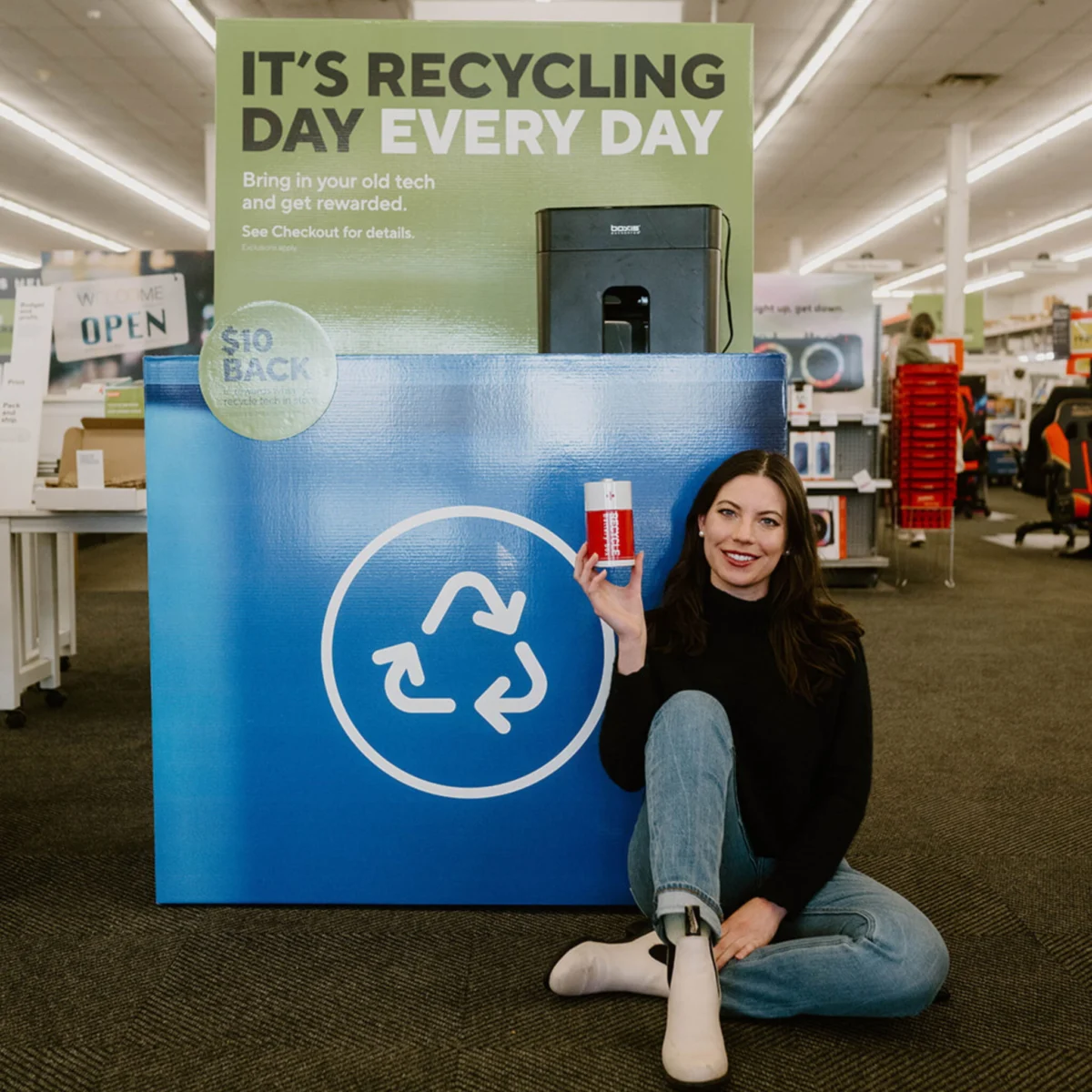
Major retailers have established themselves as primary collection points for consumer e-waste. Best Buy, for instance, operates one of the most comprehensive programs in North America. Since 2009, the company has collected and responsibly disposed of over 2.7 billion pounds of electronics and appliances. While Best Buy provides resources on how to wipe data, they generally do not perform the service for the consumer at the point of drop-off, reinforcing the need for user-led sanitization. Similarly, Staples offers recycling services for computers, monitors, and peripherals, often partnering with certified recyclers like ERI to ensure high environmental standards.

Manufacturer Initiatives
Computer manufacturers have also introduced mail-in programs. Dell’s "Reconnect" partnership with Goodwill and Apple’s "Trade In" program allow consumers to send back old devices via mail. In many cases, if the device still holds market value, the consumer may receive a gift card or credit toward a future purchase, providing a financial incentive for sustainable behavior.
Legislative Landscape and Broader Impact
The management of e-waste is increasingly governed by international treaties and domestic laws. The Basel Convention, an international treaty designed to prevent the transfer of hazardous waste from developed to less developed countries, plays a vital role in regulating the global movement of e-waste. Domestically, many U.S. states have passed "e-cycle" laws that prohibit electronics from being placed in regular trash and require manufacturers to fund recycling programs.
The broader impact of these efforts extends to the digital divide. Many organizations, such as "Computers for Classrooms" or "World Computer Exchange," take refurbished machines and provide them to schools and low-income communities. This secondary market not only prevents waste but also fosters digital literacy and economic opportunity.
Conclusion and Future Outlook
As the world becomes increasingly digitized, the lifecycle of a computer must be managed with precision and foresight. The transition from a "take-make-waste" model to a circular system requires cooperation between consumers, manufacturers, and policymakers. By prioritizing repair, ensuring rigorous data destruction, and utilizing certified recycling channels, society can mitigate the toxic legacy of the digital age. The path forward lies in recognizing that a computer’s value does not end when its screen goes dark; rather, its components represent a vital resource for the next generation of innovation. Professionalism in disposal is not merely an option—it is the standard required for a sustainable technological future.