
The modern resurgence of foraging and wildcrafting has transformed from a niche survivalist skill into a mainstream recreational and culinary movement. As the holiday season approaches, the demand for specialized equipment, educational resources, and botanical-themed merchandise has reached unprecedented levels, reflecting a broader societal shift toward self-sufficiency and nature-based hobbies. This guide examines the essential categories of gifts suitable for both novice and experienced wildcrafters, analyzing the practical utility and market trends driving these selections.
The Evolution of the Foraging Economy
The market for foraging-related products has seen a significant uptick in recent years, bolstered by the "cottagecore" aesthetic and a post-pandemic interest in outdoor activities. According to market research, the global mushroom market alone was valued at approximately $50.3 billion in 2021 and is projected to expand significantly by 2030. This economic growth is mirrored in the retail sector, where specialized tools and educational media have become staple items for outdoor enthusiasts.
Foraging, the act of identifying and harvesting wild foods and medicines, requires a specific set of tools that balance durability with portability. Unlike traditional gardening, wildcrafting often occurs in rugged terrain, necessitating equipment that can withstand the elements while remaining lightweight for long-distance hiking.
Essential Harvesting Equipment: Baskets and Portable Storage
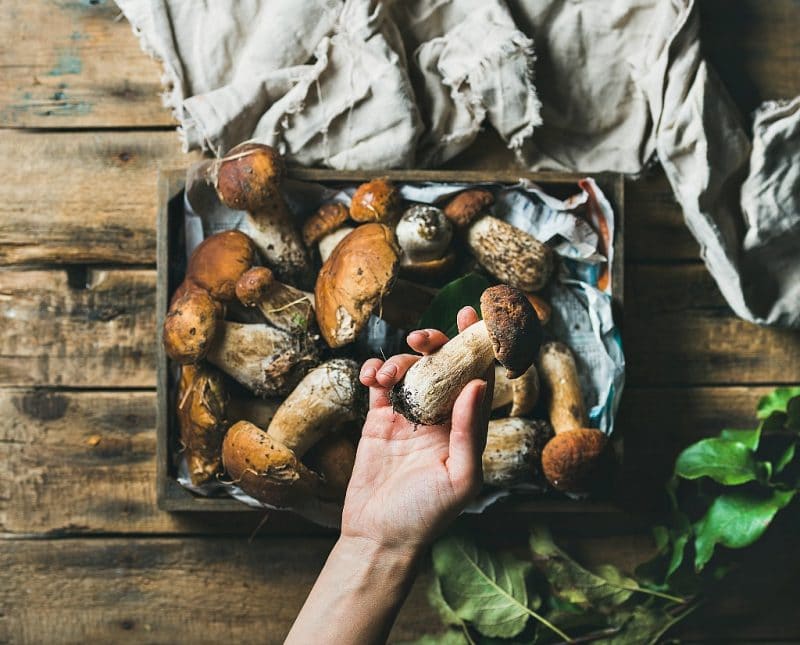
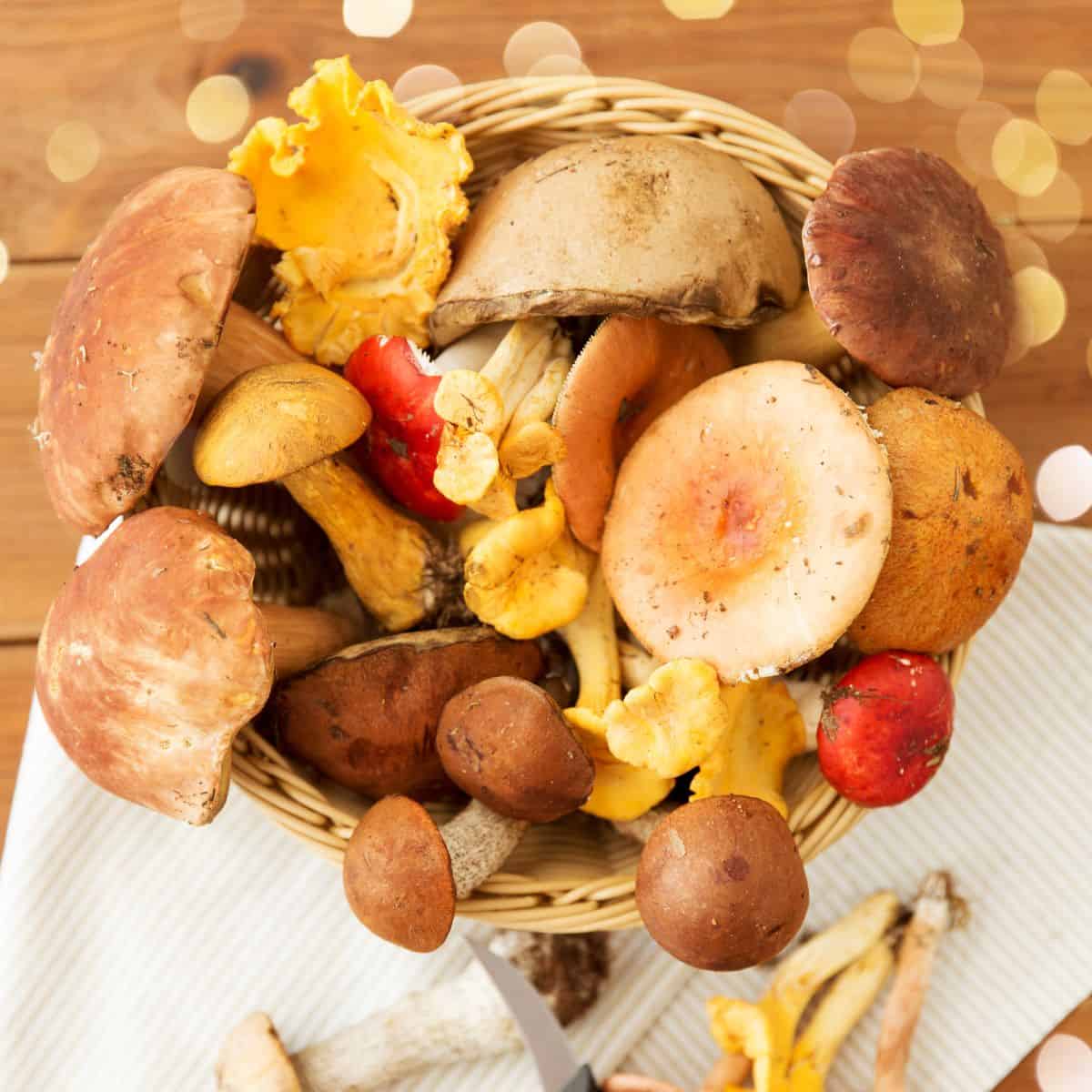
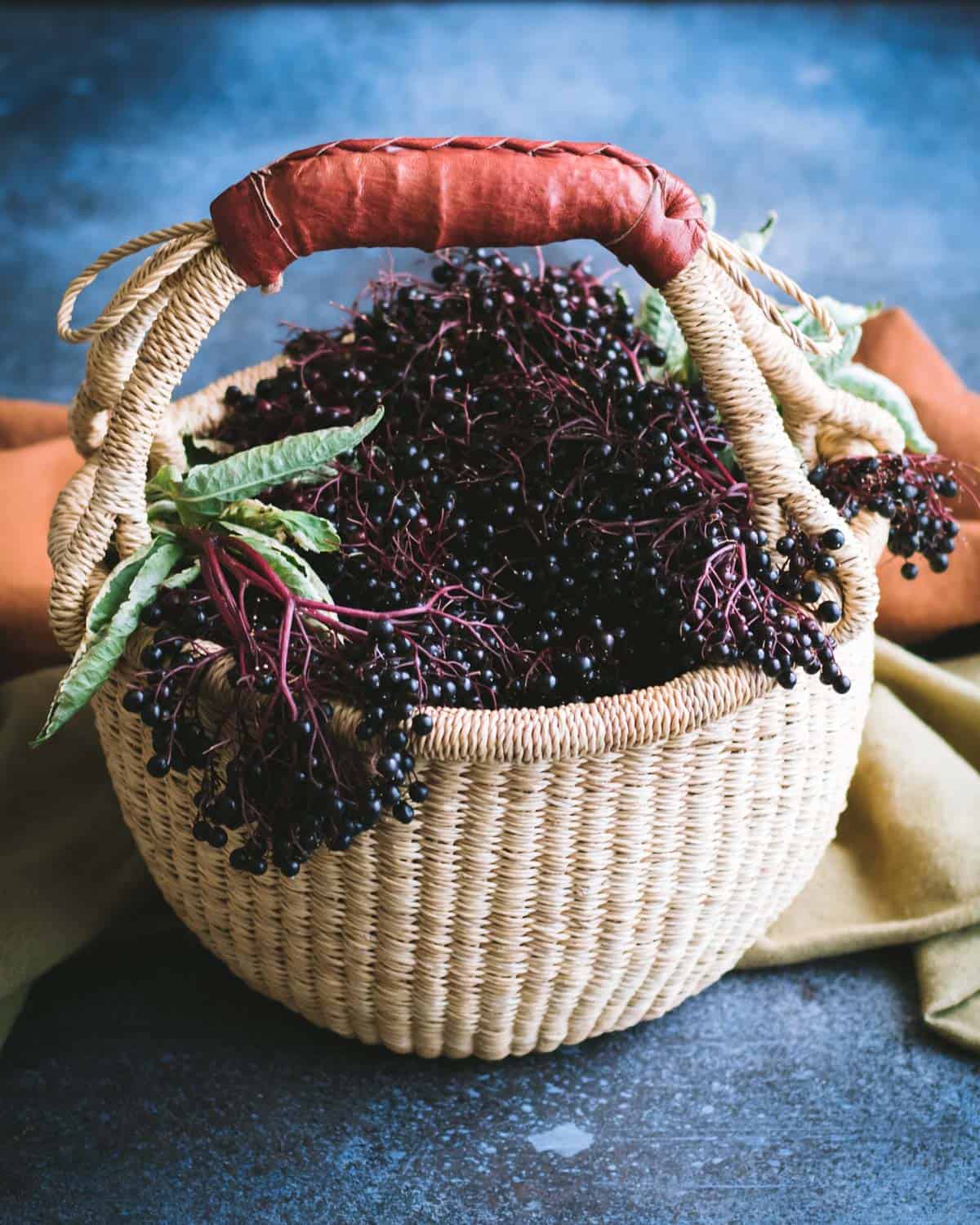
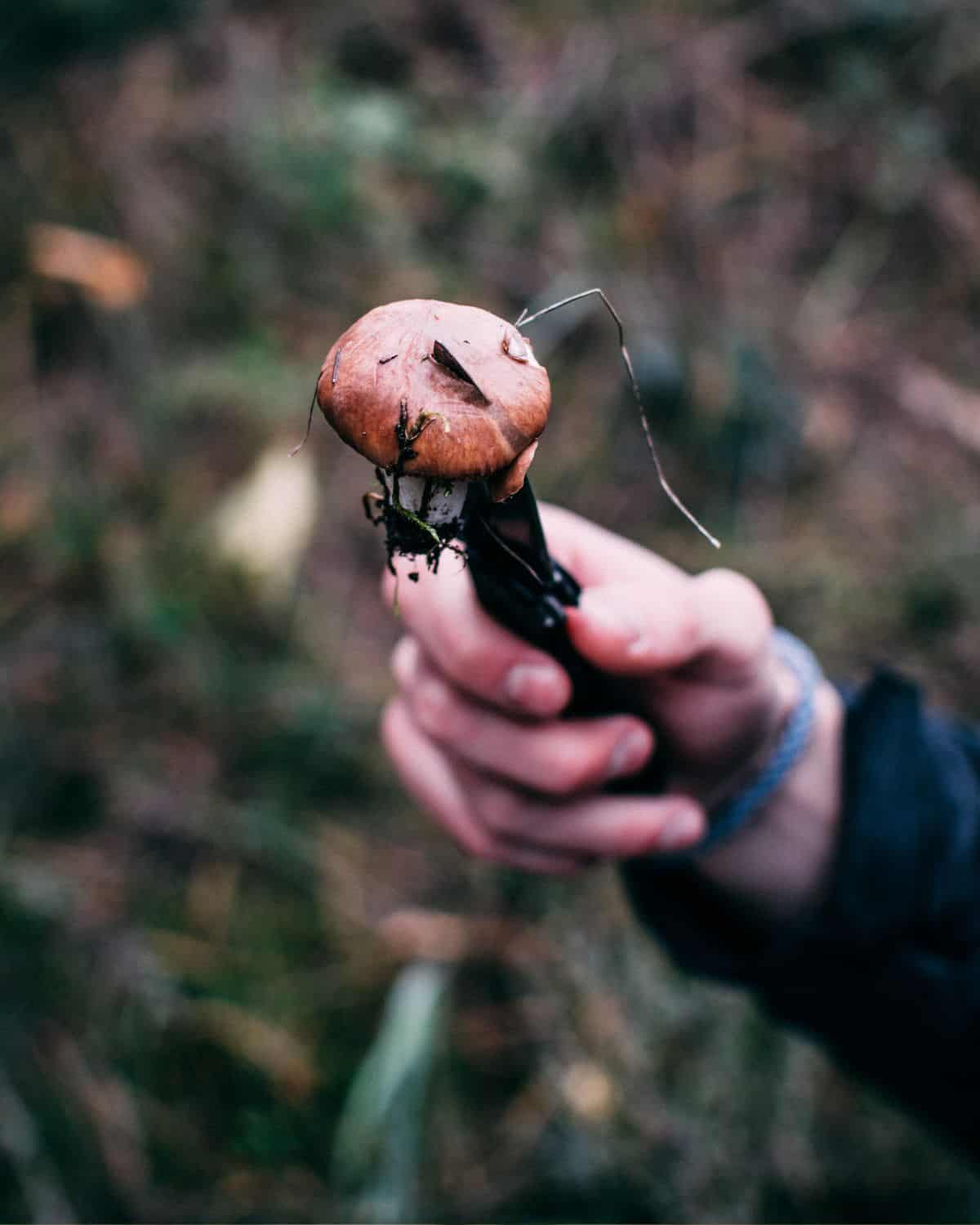
Traditional foraging relies heavily on the use of breathable containers. Woven fair-trade market baskets have become a primary recommendation for wildcrafters. These vessels are not merely aesthetic; the structural gaps in the weave allow for the dispersal of spores as a forager moves through the woods, effectively assisting in the reproductive cycle of fungi. These baskets, often sourced through ethical trade agreements, come in various sizes—small, medium, and large—to accommodate different harvest volumes, from delicate berries to heavy medicinal roots.
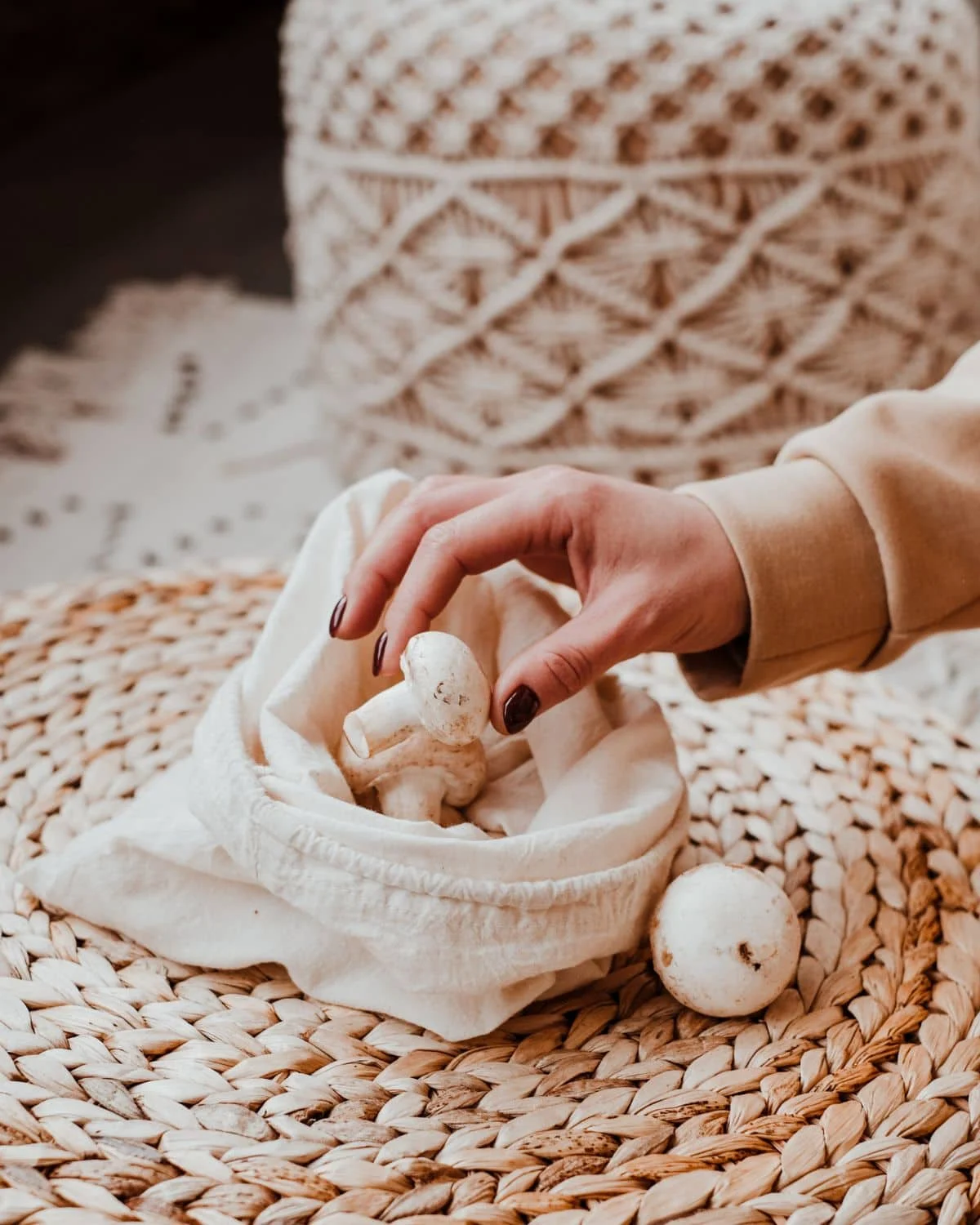
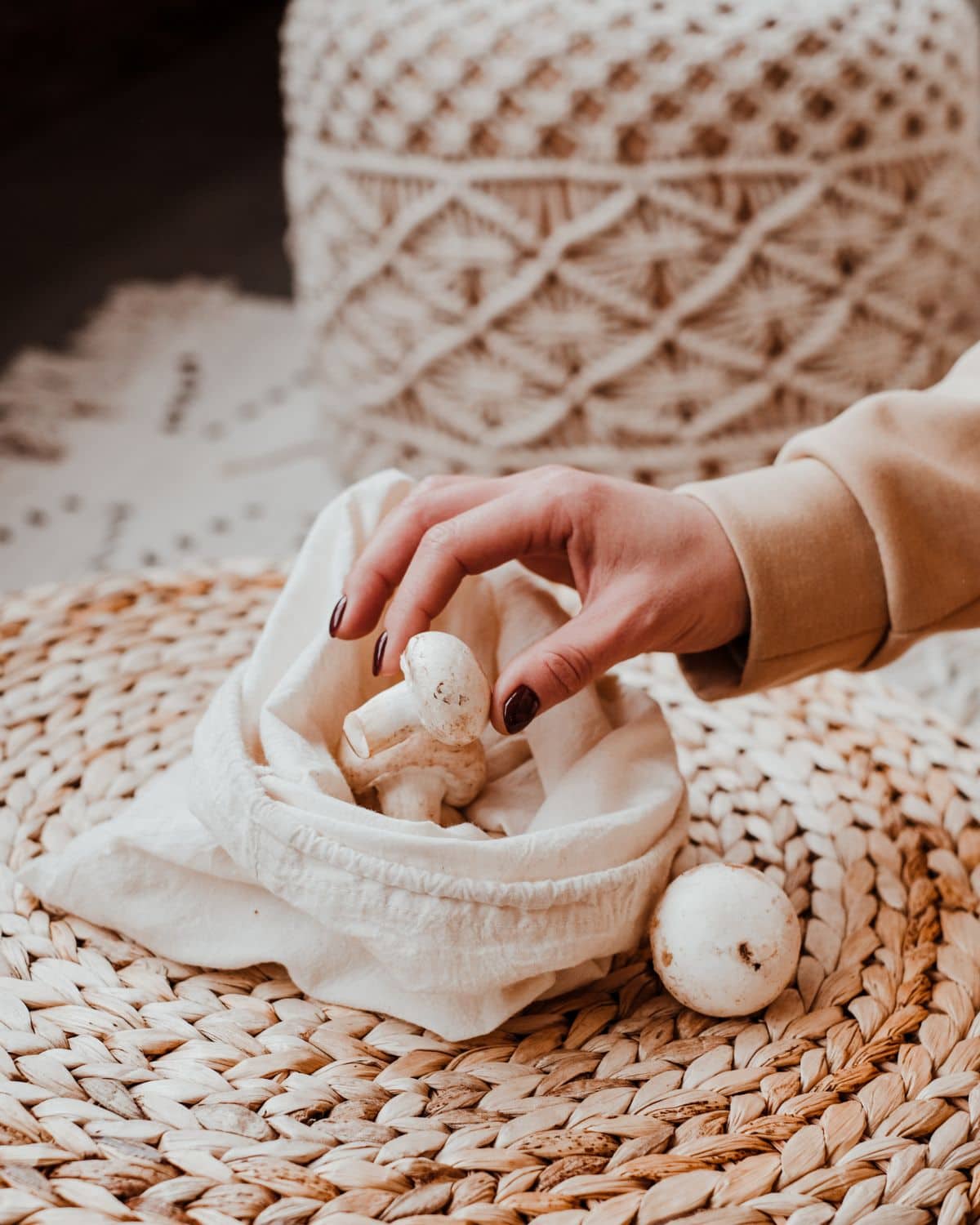
For spontaneous foraging or long-distance expeditions where bulkier baskets are impractical, lightweight cloth bags have emerged as a vital accessory. These bags are typically made from cotton or muslin, providing a sustainable alternative to single-use plastics. Their portability allows them to be stowed in backpacks or vehicles, ensuring the forager is prepared for unexpected finds. From a journalistic perspective, the shift toward these reusable options aligns with the broader environmental ethics of the foraging community, which prioritizes "Leave No Trace" principles and waste reduction.
Precision Tools: The Role of Specialized Cutlery
The selection of a foraging knife is a critical decision for any wildcrafter. Market data suggests that two specific brands—Opinel and Morakniv—dominate the field due to their historical reliability and specialized designs.
The Opinel Mushroom Knife
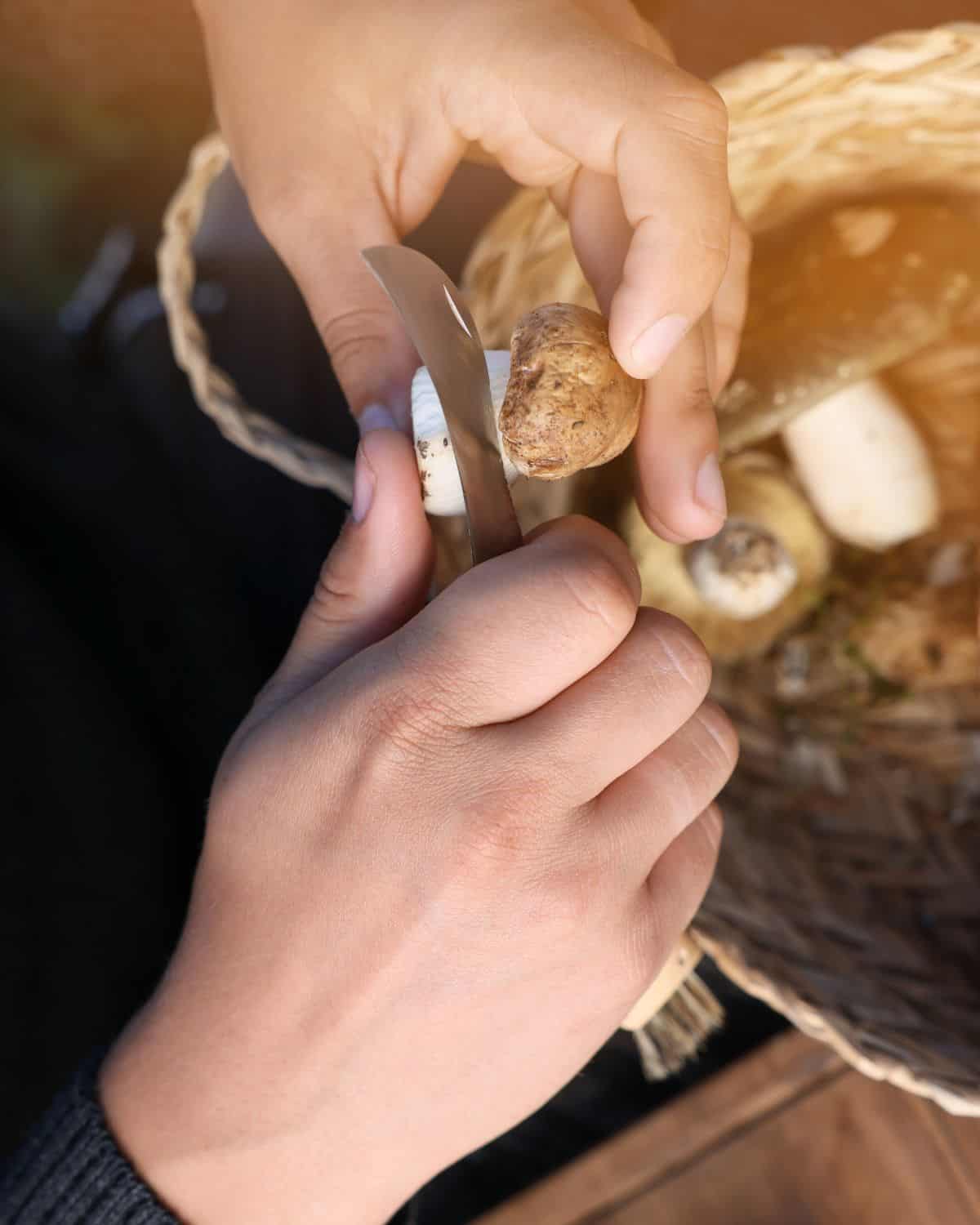
The French-made Opinel Mushroom Knife is a specialized tool featuring a curved Sandvik stainless steel blade. The curvature is designed to facilitate the clean removal of mushroom stalks without damaging the delicate mycelium network underground. A unique feature of this tool is the integrated boar-bristle brush on the handle, which allows foragers to clean debris from their specimens in the field, reducing the amount of processing required at home.
The Morakniv Companion
For general-purpose wildcrafting, the Morakniv Companion is frequently cited by field experts as the industry standard for value and performance. Utilizing Swedish cold-rolled special stainless steel, the knife is valued for its ergonomic friction grip and high-impact durability. Its affordability makes it an ideal entry-level gift, as the risk of loss in dense undergrowth is a common concern for active foragers.
Mycology and Home Cultivation Kits
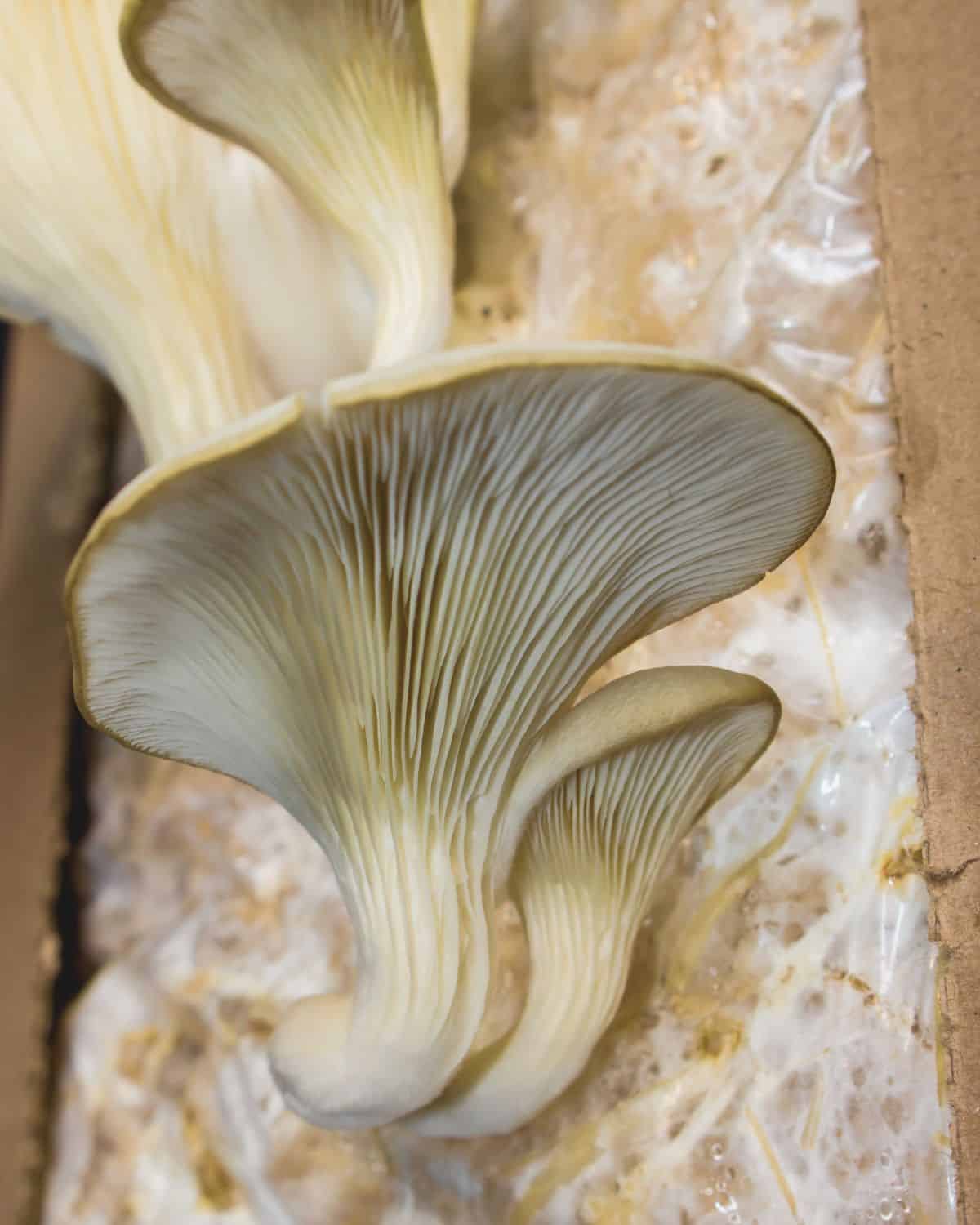
For individuals who appreciate wild flavors but may have limited access to forest lands, the indoor cultivation market has expanded. Companies such as Back to the Roots have popularized "Organic Mushroom Mini Farms," which allow users to grow oyster mushrooms in a kitchen environment. These kits utilize recycled plant waste as a substrate, highlighting the circular economy within the home-growing sector.
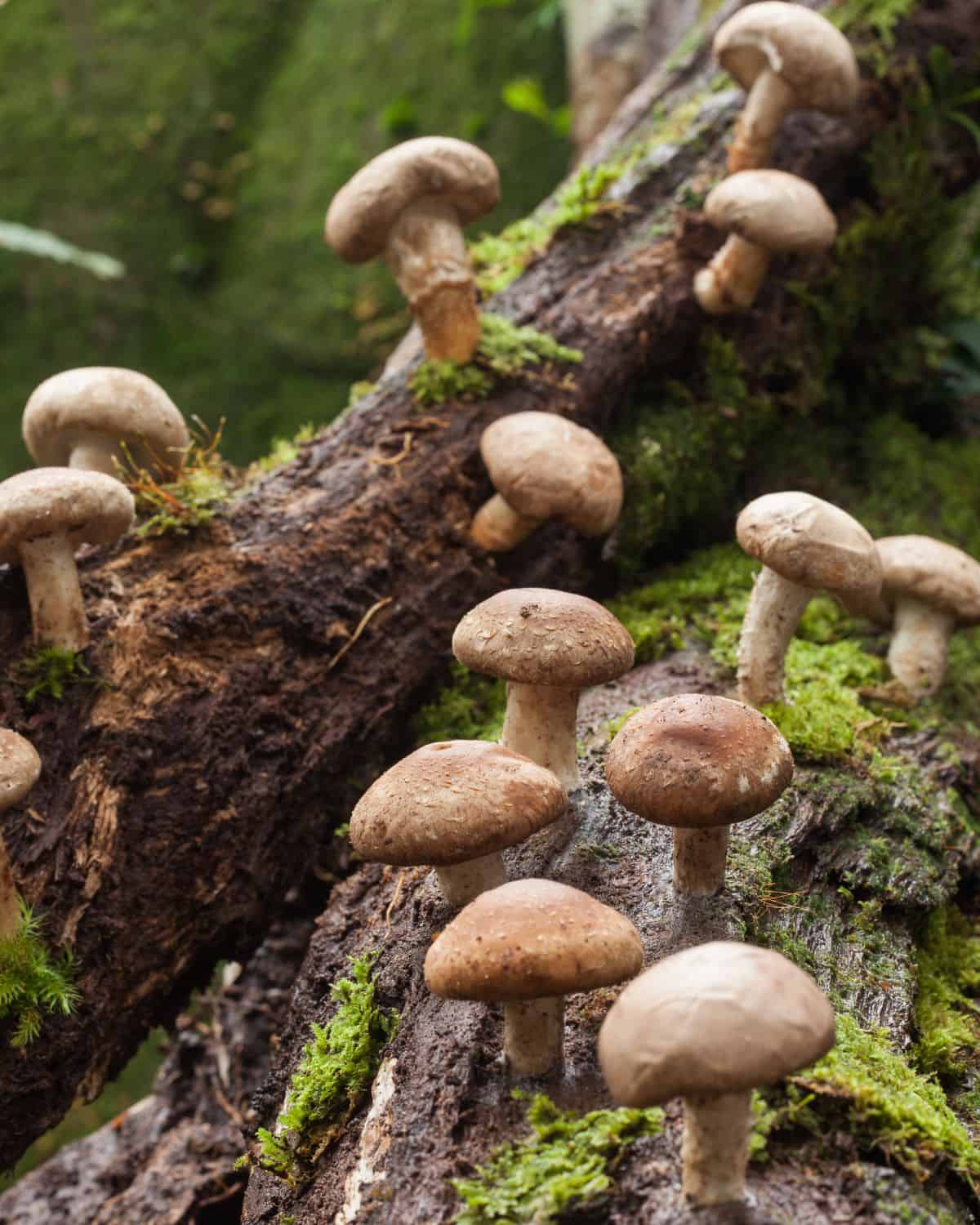
For those with outdoor space, mushroom spawn plugs—specifically for shiitake or oyster varieties—offer a more permanent solution. This process involves inoculating hardwood logs with fungal mycelium, a method that mirrors natural forest processes. This category of gift represents a bridge between foraging and permaculture, appealing to a demographic interested in long-term food security.
Functional Beverages and the Rise of Adaptogens
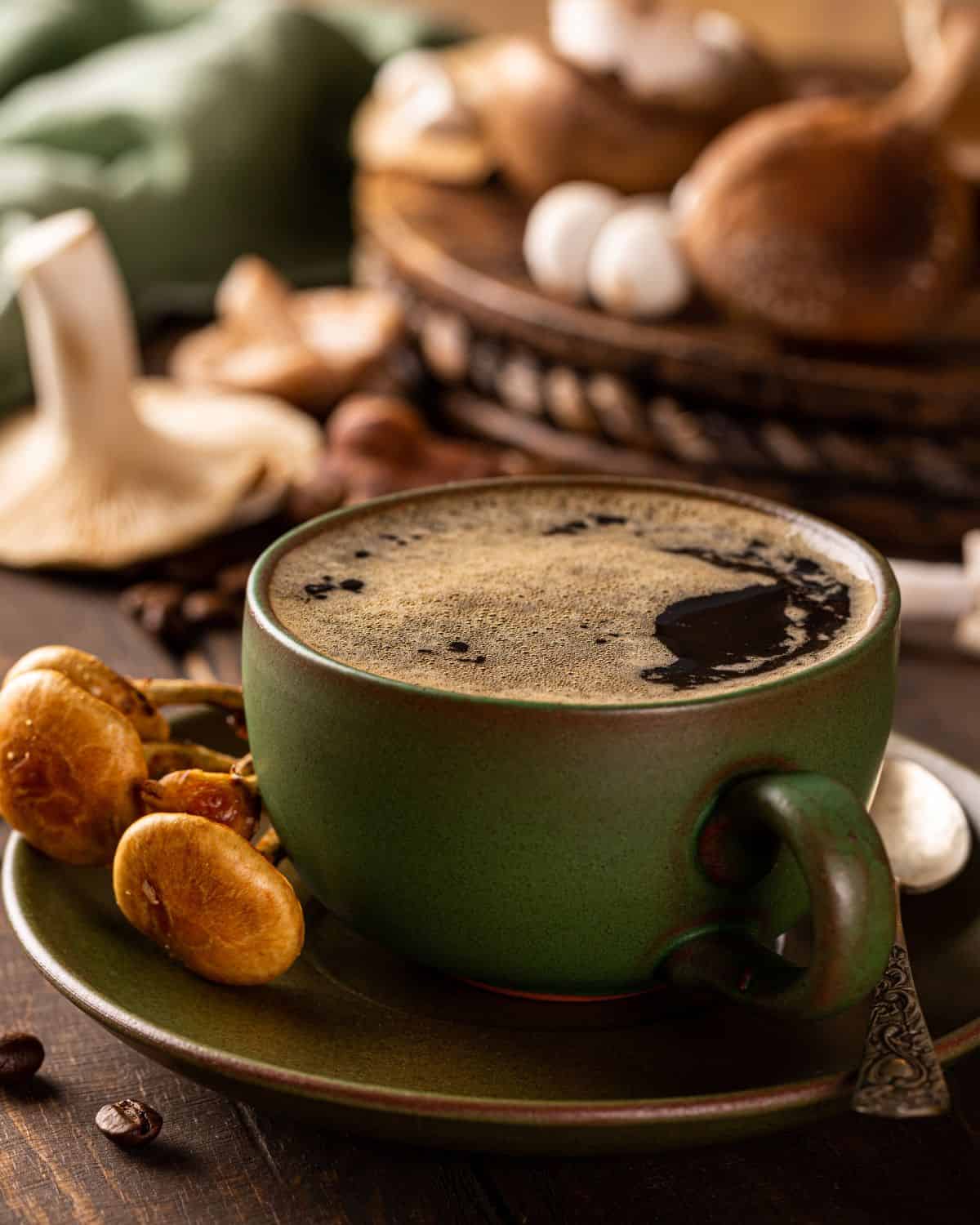
The integration of wild-foraged ingredients into daily routines is most evident in the "functional beverage" sector. Brands like Four Sigmatic have successfully commercialized mushroom-infused coffees and cocoas, utilizing extracts from Lion’s Mane, Chaga, Cordyceps, and Reishi. These fungi are classified as adaptogens, substances believed to help the body manage stress and improve cognitive function.
The commercial success of these products—often sold in travel-friendly packets—reflects a consumer trend toward "health-conscious gifting." Industry analysts note that the functional mushroom market is growing at a compound annual growth rate (CAGR) of approximately 8%, driven by a consumer base that increasingly views food as medicine.
Foraging Aesthetics in Apparel and Home Goods
Wildcrafting has influenced contemporary fashion and interior design, leading to a surge in botanical-themed merchandise. Apparel companies like Taproot Threads have seen success by featuring scientifically accurate illustrations of yarrow, mushrooms, and other wild flora on hoodies and children’s clothing.
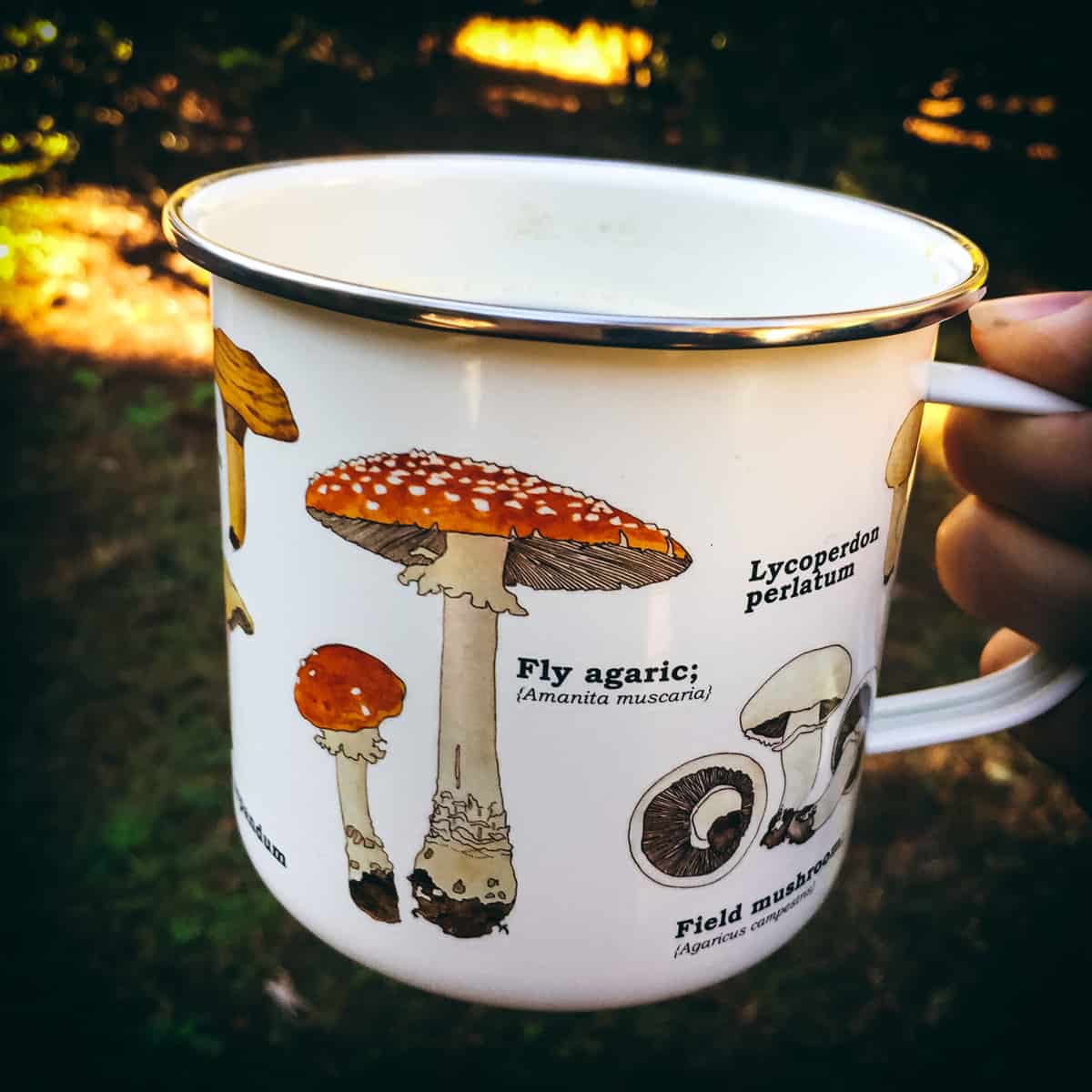
In the home goods sector, ceramic mugs and kitchen linens featuring vintage botanical prints have become popular seasonal gifts. These items serve a dual purpose: they function as practical kitchenware while reinforcing the forager’s identity and passion for the natural world. This "lifestyle branding" of foraging suggests that the activity is no longer just a hobby but a significant cultural identifier.
Educational Resources: The Foundation of Safe Foraging
Safety is the most critical aspect of wildcrafting, as the misidentification of plants or fungi can lead to severe toxicity. Consequently, high-quality literature remains the most important gift for any practitioner.
Field Guides and Handbooks
Expert consensus points to several key authors whose work is considered essential for North American foragers:
- Samuel Thayer: Author of The Forager’s Harvest and Nature’s Garden, Thayer is widely regarded as a leading authority on wild edible plants. His books are praised for their rigorous attention to detail and original research.
- David Arora: His works, Mushrooms Demystified and All That the Rain Promises and More, are foundational texts in mycology. The latter is specifically designed as a pocket-sized field guide, emphasizing the practical need for on-site identification.
Youth Education and Gamification
The "Wildcraft!" herbal adventure game represents an innovative approach to botanical education. By gamifying the identification of medicinal plants, the product teaches ecological literacy to children and families. Similarly, children’s literature by authors such as Joseph P. Anthony (e.g., The Dandelion Seed) focuses on the life cycles of plants, fostering an early appreciation for biodiversity.
Broader Impact and Implications
The proliferation of foraging gifts and tools has significant implications for both the economy and the environment. As more individuals enter the woods with harvesting tools, the importance of ethical wildcrafting education becomes paramount. Experts in the field emphasize that the "gift" of foraging equipment must be accompanied by the "responsibility" of sustainable practice.
From a commercial standpoint, the trend toward high-quality, long-lasting tools (like the Morakniv or Opinel knives) reflects a shift away from "fast fashion" and toward durable, functional goods. This aligns with the values of the foraging community, which generally favors quality over quantity and sustainability over convenience.
Furthermore, the rise of foraging as a popular hobby has bolstered the "experience economy." Many enthusiasts now seek out guided foraging tours and workshops, often using the tools and books received as gifts to enhance their learning. This has created a secondary market for ecological educators and local guides, contributing to rural economies.
In conclusion, the modern forager’s gift guide is a reflection of a sophisticated market that values education, utility, and environmental stewardship. Whether through precision cutlery, scientific literature, or home cultivation kits, these gifts support a lifestyle dedicated to understanding and preserving the natural world. As the holiday season approaches, these items stand as more than just commodities; they are tools for engagement with the ecosystem, providing the means for a deeper, more informed connection to the wild.


