
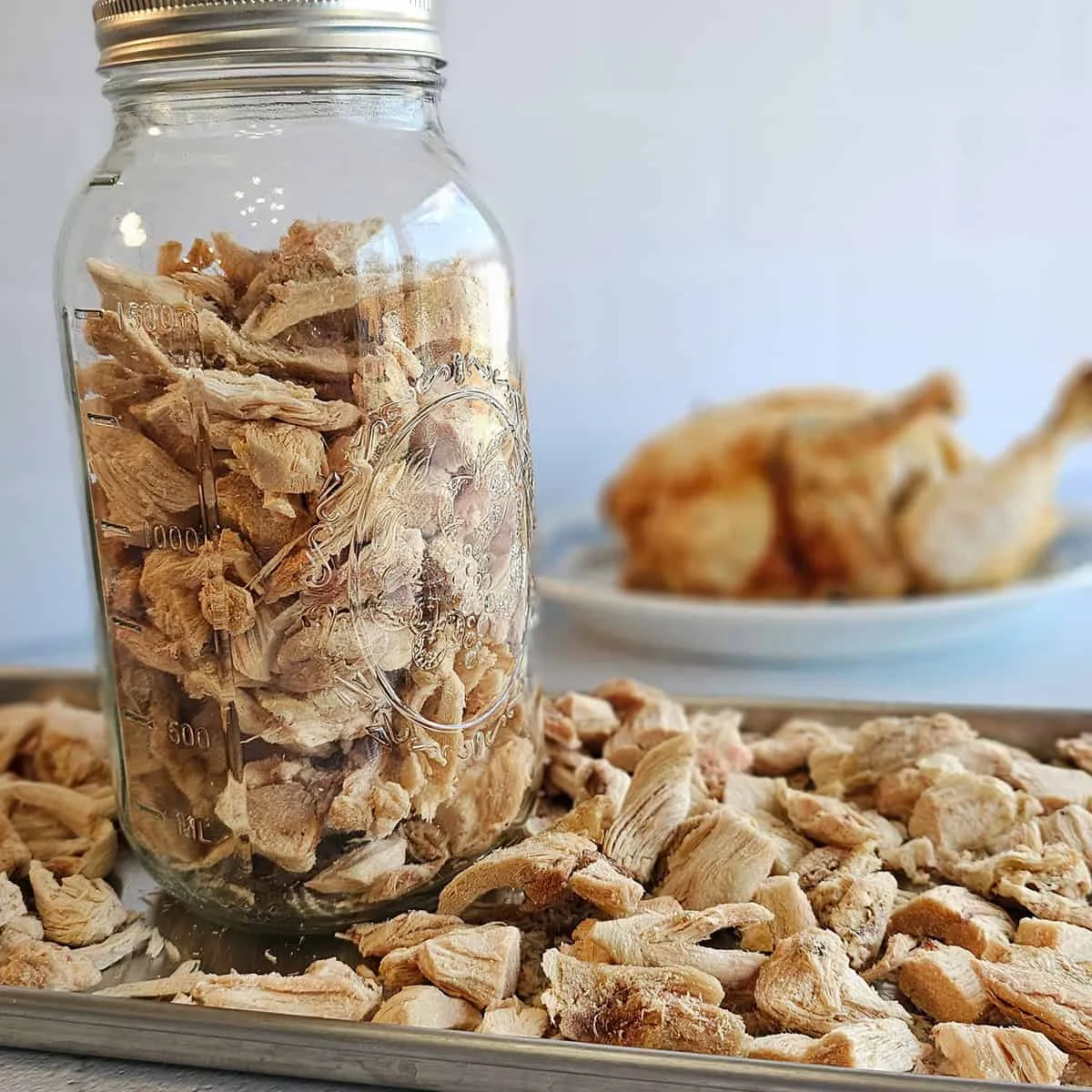
The domestic food preservation landscape is undergoing a significant transformation as advanced sublimation technology, once reserved for industrial and aerospace applications, becomes increasingly accessible to the average consumer. Among the various applications for home freeze-drying units, the processing of rotisserie chicken has emerged as a primary entry point for individuals seeking to enhance their food security and reduce household waste. This method of preservation offers a unique intersection of convenience and long-term storage capability, allowing consumers to transform a common grocery staple into a shelf-stable protein source that retains nearly all of its original nutritional value and texture.
The Rise of Residential Sublimation Technology
For decades, freeze-drying was a process exclusive to large-scale manufacturers like Mountain House or military contractors producing Meals, Ready-to-Eat (MREs). However, the emergence of companies such as Harvest Right has democratized the technology. These machines operate on the principle of sublimation, where frozen food is placed under a vacuum, and the ice crystals within the food are converted directly into water vapor without passing through a liquid phase. This process preserves the cellular structure of the food, preventing the shriveling and toughening associated with traditional dehydration.
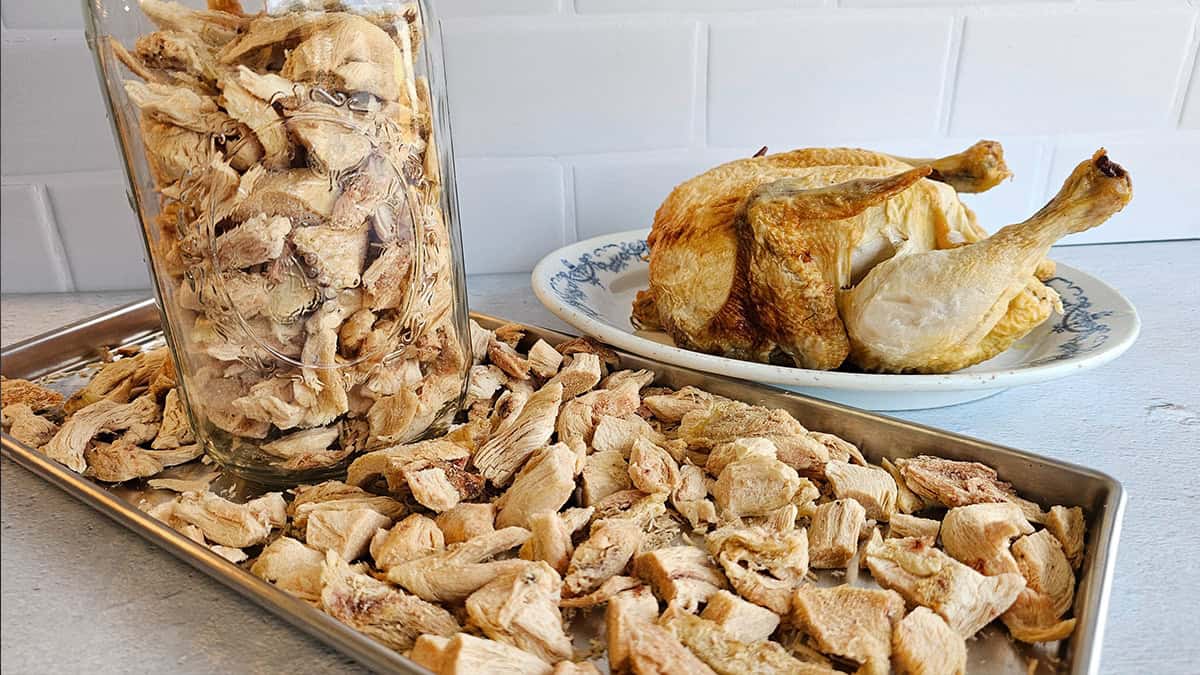
The adoption of these machines has seen a marked increase since 2020, driven by global supply chain instabilities and a renewed interest in self-sufficiency. Analysts suggest that the home freeze-dryer market is part of a broader "preparedness economy," which has expanded to include not just long-term survivalists but also busy professionals looking for efficient meal-prep solutions and environmentally conscious consumers aiming to mitigate food waste.
Economic Strategy: The Clearance Cycle and Waste Mitigation
One of the most compelling arguments for freeze-drying rotisserie chicken is the economic advantage provided by grocery store inventory cycles. Most major retailers, including Costco, Walmart, and Kroger, have strict windows for selling hot rotisserie chickens. Once a bird has reached its time limit on the heated display, it is typically moved to a refrigerated section and marked down significantly—often by 50% or more.
By targeting these "day-old" chickens, consumers can acquire high-quality, pre-cooked protein at a fraction of the cost of raw poultry. The freeze-drying process then halts the biological clock of the meat. Furthermore, the practice encourages a "zero-waste" philosophy. After the meat is stripped for drying, the remaining carcass, skin, and connective tissues can be simmered to create nutrient-dense bone broth. This broth can subsequently be freeze-dried into bouillon, creating a closed-loop system of food utilization that maximizes every dollar spent.
A Technical Chronology of the Preservation Process
The transition from a grocery store rotisserie chicken to a shelf-stable pantry item involves a precise series of steps designed to ensure safety and longevity.
Phase One: Preparation and Mechanical Reduction
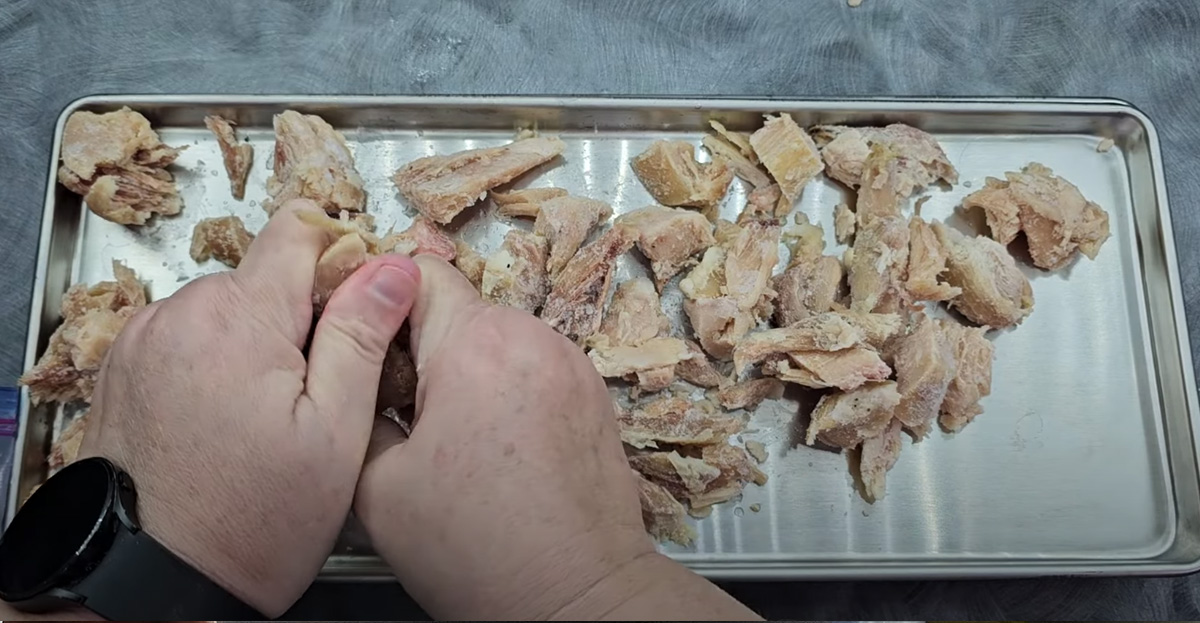
The initial stage requires the thorough removal of skin, fat, and bones. While the skin is flavorful, its high lipid content is the primary enemy of long-term storage. Fat does not freeze-dry; it remains in a liquid or semi-solid state and can become rancid over time. After stripping the meat, it is cut into uniform pieces, ideally one inch or smaller. This uniformity is critical because it ensures that the vacuum can pull moisture evenly from the center of every piece during the sublimation cycle.
Phase Two: The Pre-Freezing Requirement
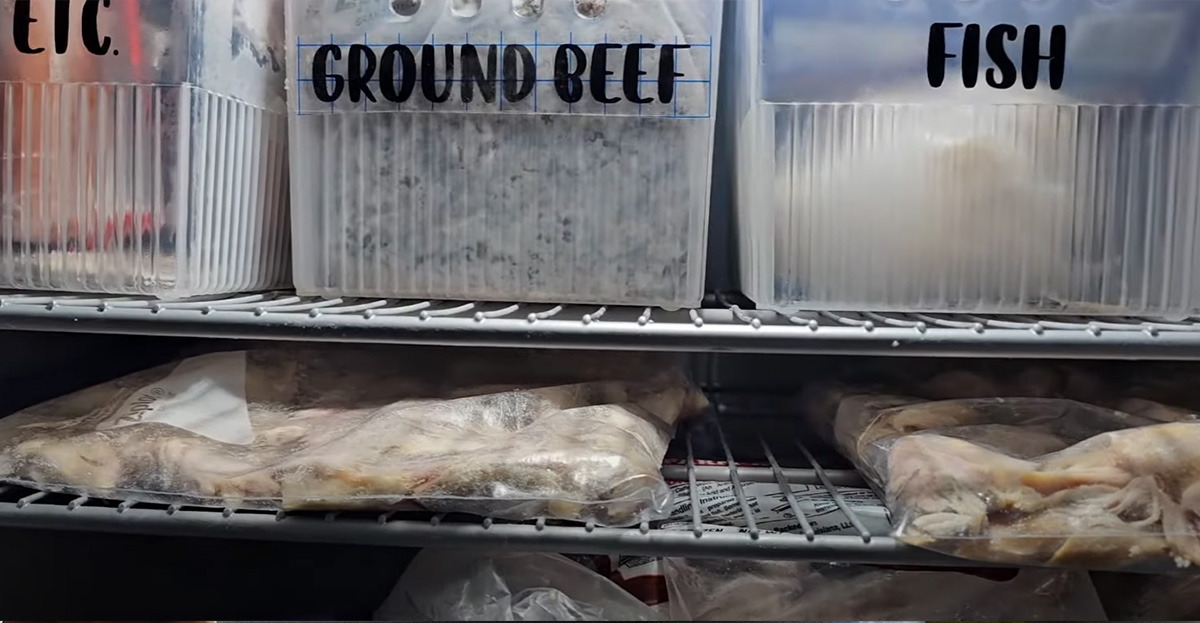
While most modern freeze-dryers have a built-in freezing cycle, experts and veteran users like Darcy Baldwin of The Purposeful Pantry recommend pre-freezing the meat in a traditional deep freezer for up to 24 hours. This serves two purposes: it reduces the mechanical strain and energy consumption of the freeze-dryer, and it ensures that the ice crystals are fully formed before the vacuum pump engages. This step can significantly shorten the overall machine run time, which typically spans 24 to 48 hours depending on the load size and ambient humidity.
Phase Three: The Sublimation Cycle
Once the trays are loaded into the chamber, the machine creates a deep vacuum while slowly warming the trays. The water vapor is pulled away and condensed onto the cold outer walls of the chamber. Following the initial drying phase, an "extra dry" time is usually added—often 12 to 24 hours—to ensure that the core of the thicker chicken pieces is entirely devoid of moisture.
Phase Four: Quality Control and Testing
Post-cycle testing is a vital safety protocol. The chicken should be brittle and break easily without any sensation of coldness or "squishiness," which would indicate residual ice. A more scientific method involves weighing a tray, returning it to the machine for two hours, and weighing it again; any change in weight indicates that moisture was still being removed, necessitating further drying time.
Storage Logistics and the Impact of Lipids
The shelf life of freeze-dried rotisserie chicken differs from that of leaner meats or vegetables. While freeze-dried corn or lean beef might last 25 years in ideal conditions, rotisserie chicken is generally rated for a shorter duration—typically six months to two years.
This discrepancy is due to the inherent fat content of rotisserie-style preparation. Dark meat (thighs and legs) and the oils used in the roasting process introduce lipids that can undergo oxidative rancidity. To combat this, the use of high-quality storage mediums is essential.
- Mylar Bags: These multi-layered foil bags provide the best barrier against light and oxygen.
- Oxygen Absorbers: These packets contain iron powder which chemically reacts with and removes any residual oxygen in the container.
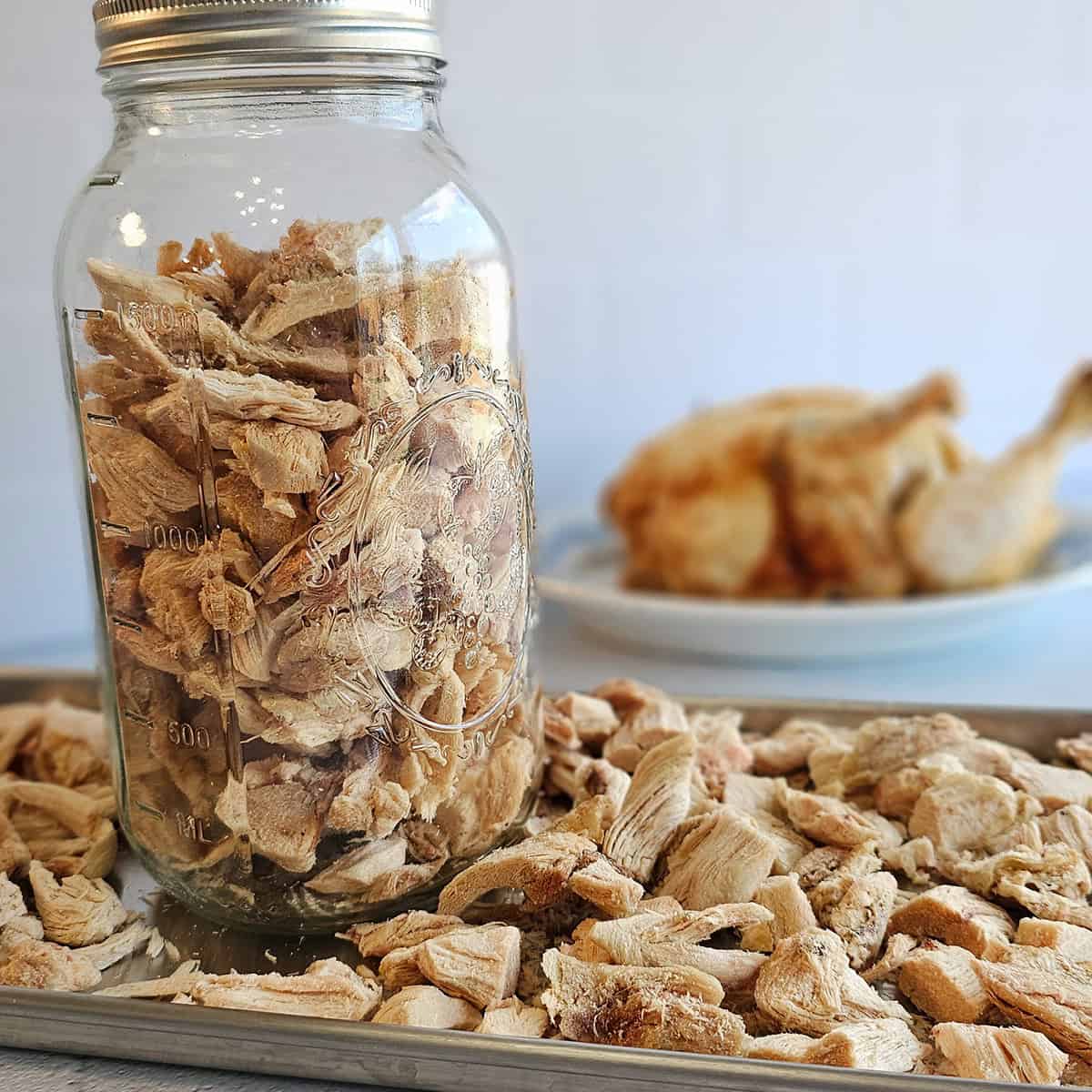
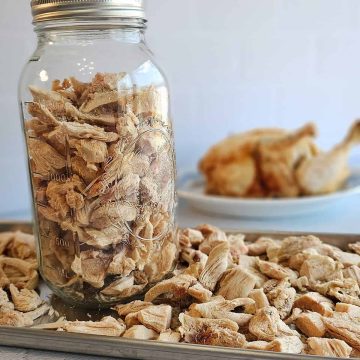
- Vacuum-Sealed Glass Jars: For those intending to use the chicken within a year, vacuum-sealing in canning jars provides a convenient and reusable option.
Nutritional Integrity and Culinary Applications
A significant advantage of freeze-drying over pressure canning or traditional dehydration is nutrient retention. According to data from the USDA and various food science studies, freeze-drying retains approximately 97% of the original vitamins and minerals. In contrast, dehydration can result in a 40% loss of certain nutrients due to the high heat involved.
The rehydration process for chicken is remarkably straightforward. Because the cellular structure remains intact, the meat acts as a sponge.
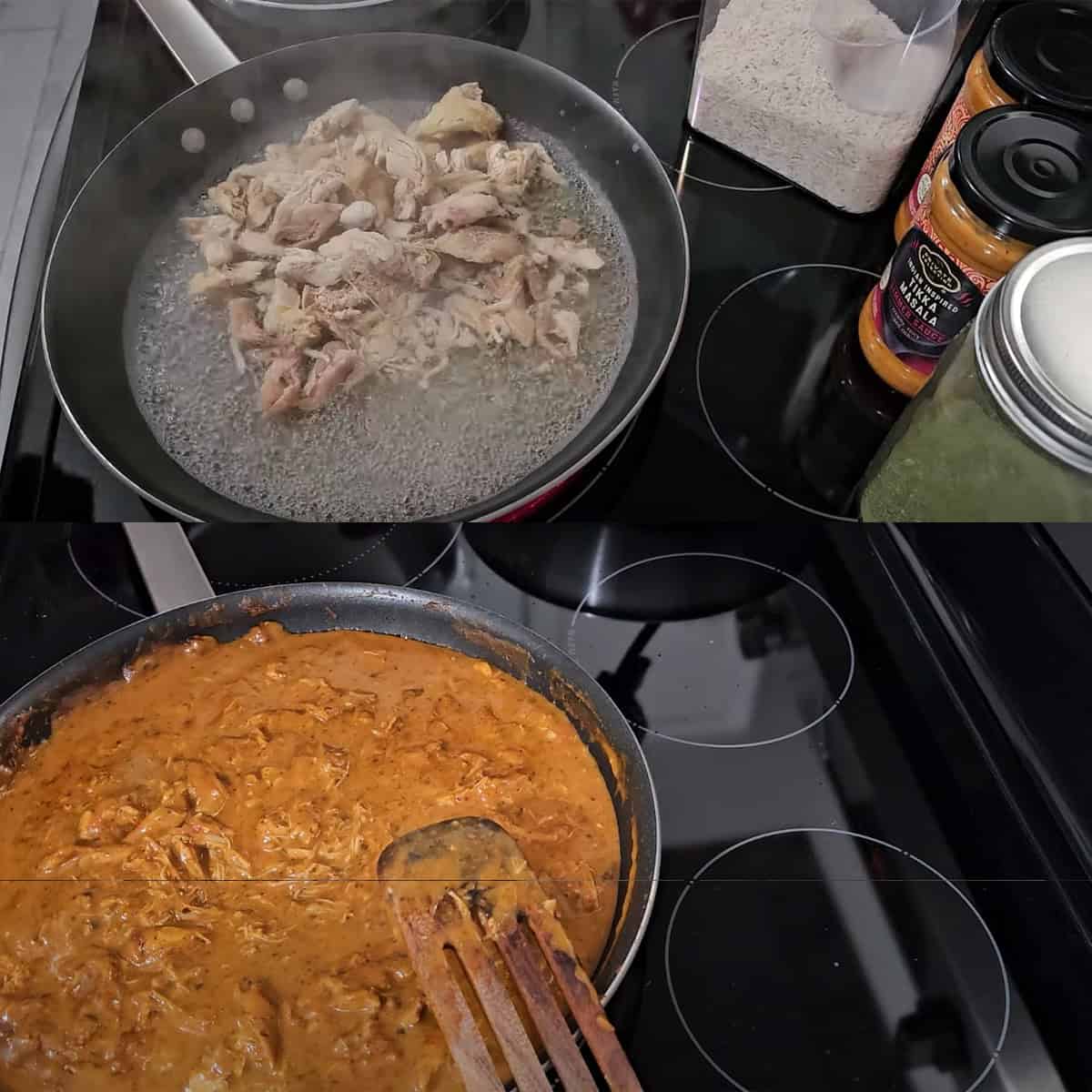
- Volumetric Consistency: Unlike dehydrated food, which shrinks, freeze-dried chicken maintains its size. One cup of dried chicken will yield approximately one cup of rehydrated chicken.
- Rehydration Methods: For hot meals, such as soups, stews, or stir-frys, the chicken can be added directly to the pan with a small amount of broth. For cold applications, such as chicken salad, the meat is soaked in water or broth in the refrigerator until it regains its original suppleness.
Broader Implications for Food Security and Industry Response
The trend toward home-based freeze-drying of pre-cooked proteins reflects a broader shift in consumer behavior. As food prices remain volatile, the ability to "lock in" current prices by preserving bulk purchases offers a form of financial insurance.
Furthermore, the practice addresses the growing demand for "clean label" convenience foods. Commercial "instant" meals often contain high levels of sodium and preservatives. By freeze-drying rotisserie chicken at home, consumers can control the ingredients, ensuring that their "fast food" is as healthy as a home-cooked meal.
Industry experts have noted that while the initial investment in a freeze-dryer is high—often ranging from $2,000 to $5,000—the long-term ROI is found in the reduction of waste and the ability to capitalize on grocery store markdowns. For a household that frequently consumes poultry, the machine can pay for itself within a few years through savings on "emergency" grocery trips and the elimination of spoiled leftovers.
Conclusion: A New Standard for the Modern Pantry
The move toward freeze-drying rotisserie chicken is more than a culinary fad; it is a sophisticated approach to modern pantry management. By leveraging industrial-grade technology, consumers are able to create a bridge between the convenience of a store-bought meal and the security of a long-term food supply. As the technology continues to evolve and become more energy-efficient, it is likely that freeze-dried proteins will become a standard component of the domestic kitchen, providing a resilient solution to the challenges of modern food logistics and household economics.
For the individual practitioner, the process offers a sense of agency. In an era where supply chains can be fragile, the sight of vacuum-sealed jars filled with high-quality protein represents a tangible form of stability. Whether used for a quick Tuesday night dinner or held in reserve for more uncertain times, freeze-dried rotisserie chicken stands as a testament to the power of traditional preservation wisdom augmented by 21st-century innovation.


