
The burgeoning interest in sustainable living and outdoor education has catalyzed a significant shift in consumer behavior, particularly within the niche markets of foraging and wildcrafting. As the holiday season approaches, market analysts observe a heightened demand for specialized tools, educational resources, and lifestyle products that cater to the amateur mycologist and the seasoned herbalist alike. This strategic guide evaluates the essential categories of foraging equipment, ranging from traditional harvest vessels to precision cutlery and mycological cultivation kits, providing a comprehensive overview of the current retail landscape for nature-centric gift-giving.
The Evolution of the Foraging Economy
Foraging, once a localized survival practice, has transformed into a robust sector of the outdoor recreation industry. Data from the Outdoor Industry Association indicates a steady increase in "nature-adjacent" activities over the last five years, with a notable spike following the global pandemic. This resurgence is driven by a desire for food sovereignty, mental well-being, and a deeper connection to local ecosystems. Consequently, the market for foraging-specific gear has diversified, moving beyond basic utility to encompass aesthetic and ethically sourced products.
Industry experts note that the "cottagecore" aesthetic and the rise of functional mycology have brought wildcrafting into the mainstream. This shift is reflected in the increased availability of specialized merchandise, such as fair-trade harvest baskets and botanical-themed apparel, which bridge the gap between practical field use and contemporary lifestyle trends.
Precision Field Instruments and Harvest Logistics
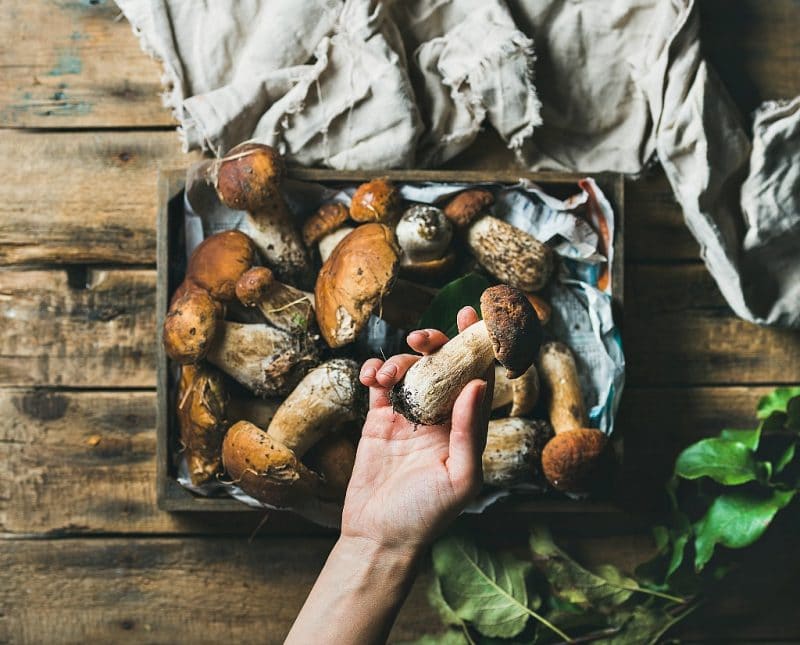
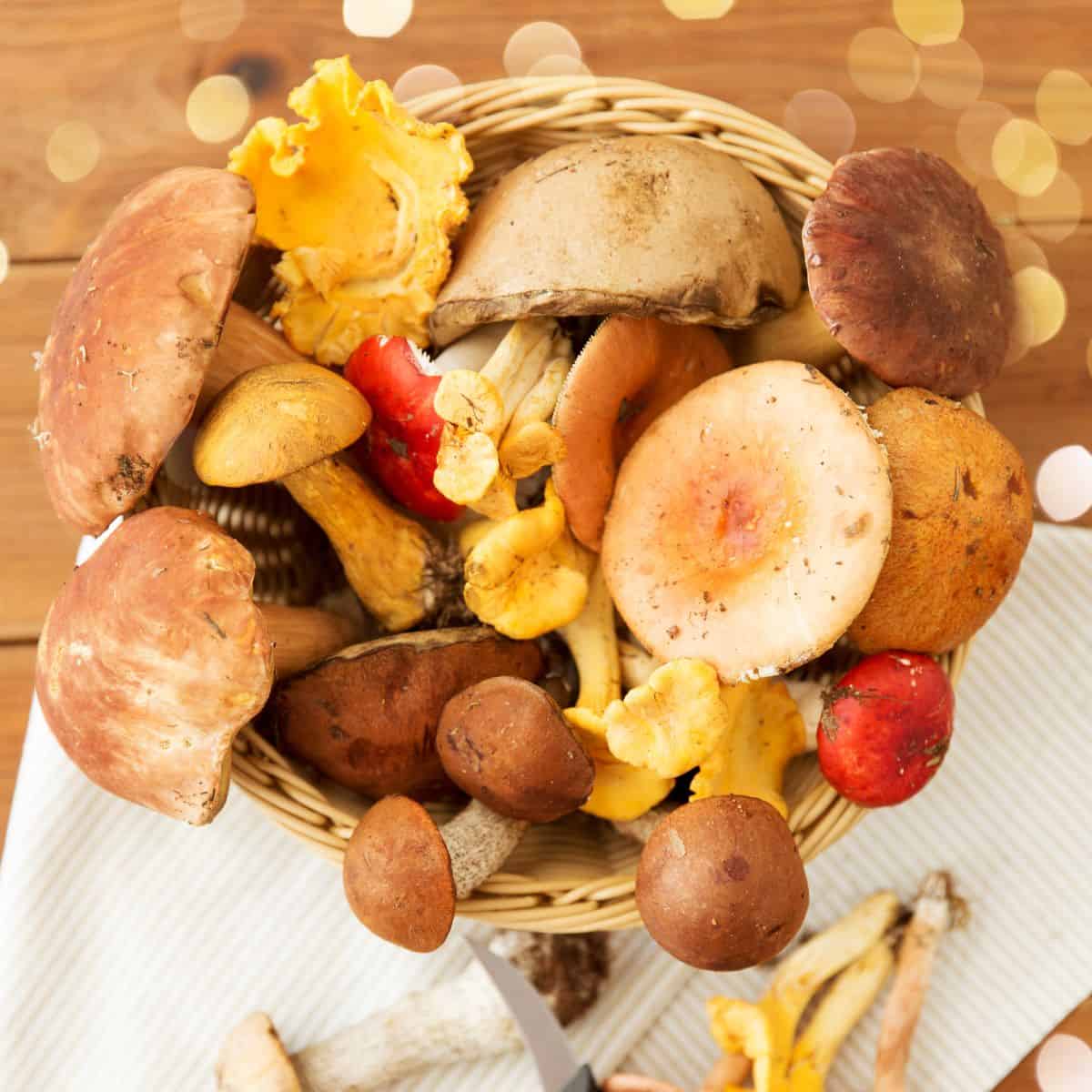
The primary requirement for any forager is the ability to harvest and transport specimens without compromising their integrity or the health of the host ecosystem. In the realm of logistics, fair-trade market baskets have emerged as a preferred choice for consumers. These vessels, often hand-woven from natural fibers, offer the ventilation necessary to prevent the premature degradation of delicate mushrooms and leafy greens. Unlike plastic alternatives, breathable mesh or wicker structures allow spores to disperse as the forager moves through the woods, an essential practice for sustainable harvesting.
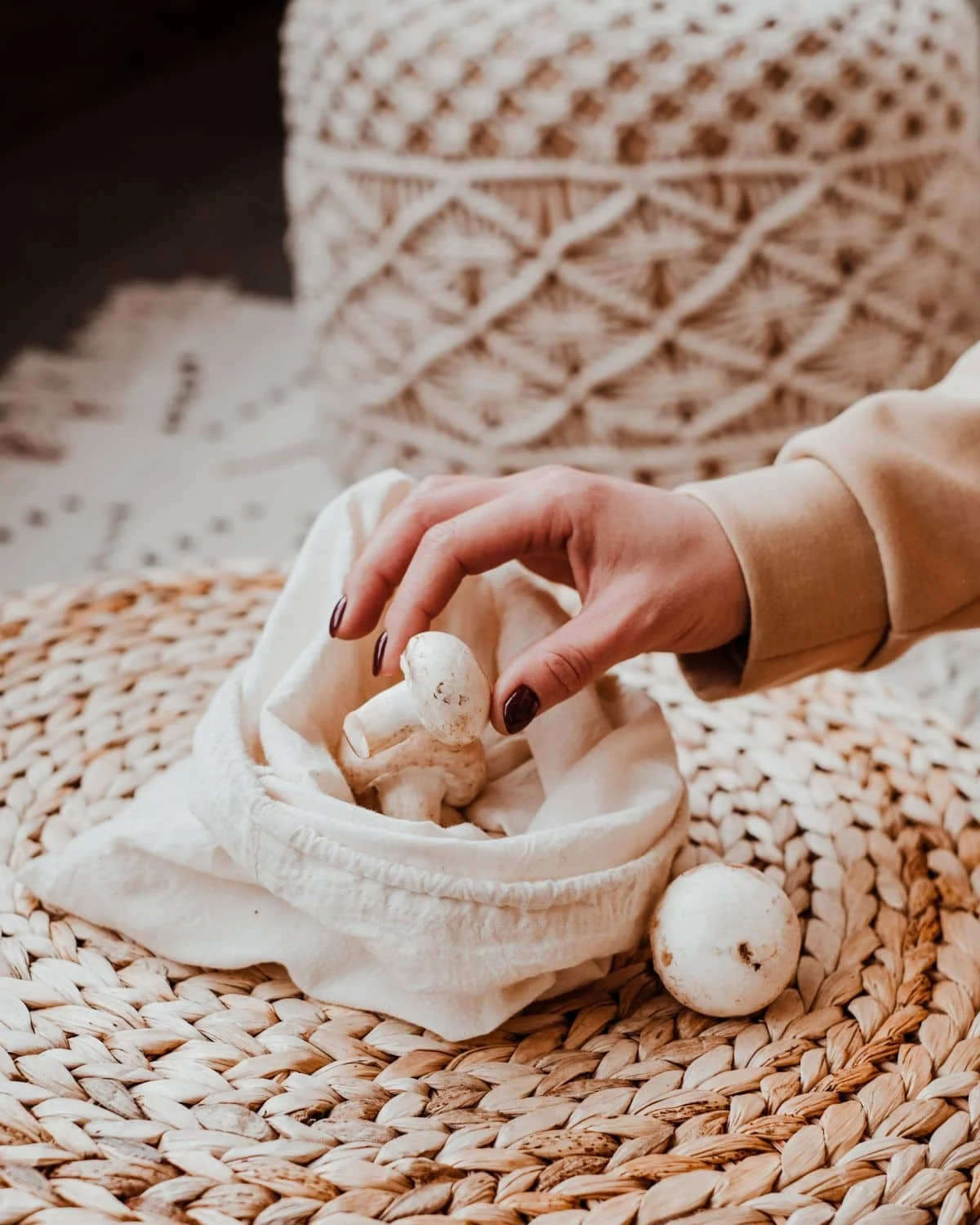
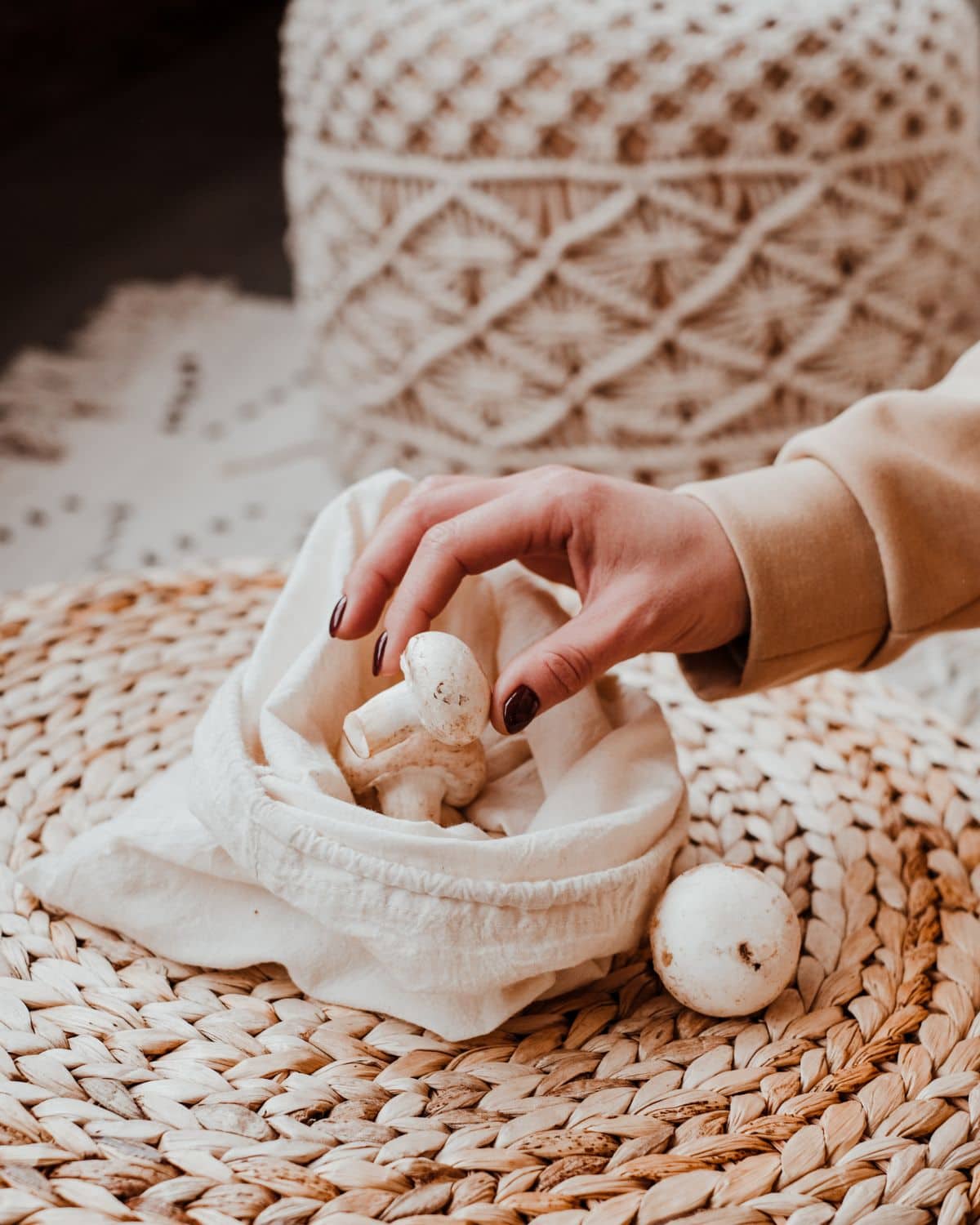
For spontaneous foraging, the market has seen a rise in high-quality cloth bags. These items are positioned as essential "everyday carry" (EDC) components for the modern naturalist. Their lightweight, collapsible nature allows them to be stored in vehicles or backpacks, ensuring that opportunities for wildcrafting are not missed due to a lack of equipment. Furthermore, the push toward plastic-free produce shopping has expanded the utility of these bags into the grocery and farmers’ market sectors.
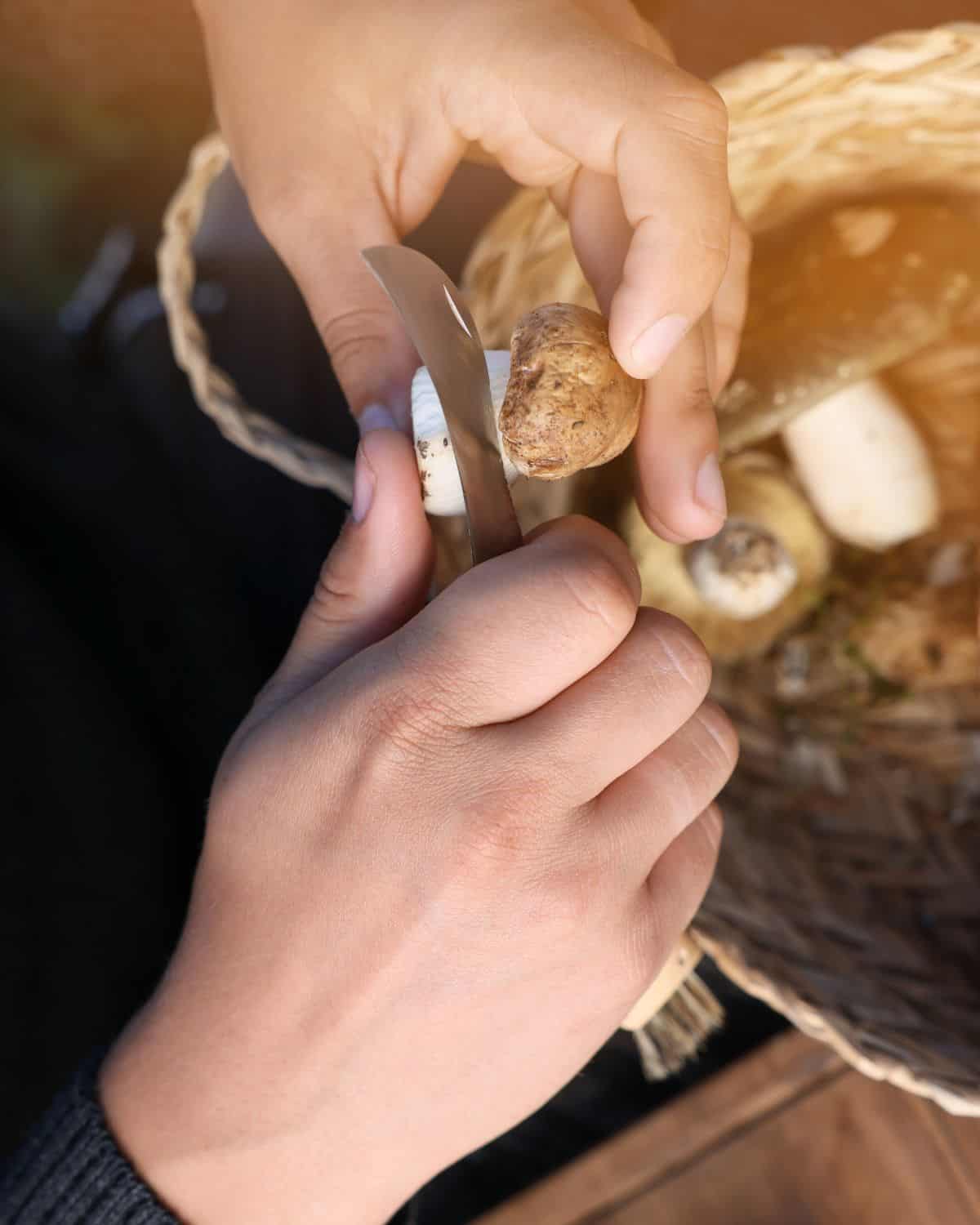
In terms of cutlery, the French manufacturer Opinel remains a dominant force with its specialized Mushroom Foraging Knife. Featuring a curved Sandvik stainless steel blade for precise cutting and a natural boar hair brush for field cleaning, the tool exemplifies the integration of traditional craftsmanship with specific functional requirements. For general-purpose wildcrafting, the Morakniv Companion—a Swedish-made fixed-blade knife—is frequently cited by field experts for its ergonomic design and cost-effectiveness. The durability of such tools is a critical factor for consumers who prioritize "buy-it-for-life" sustainability.
The Growth of At-Home Mycology and Functional Fungi
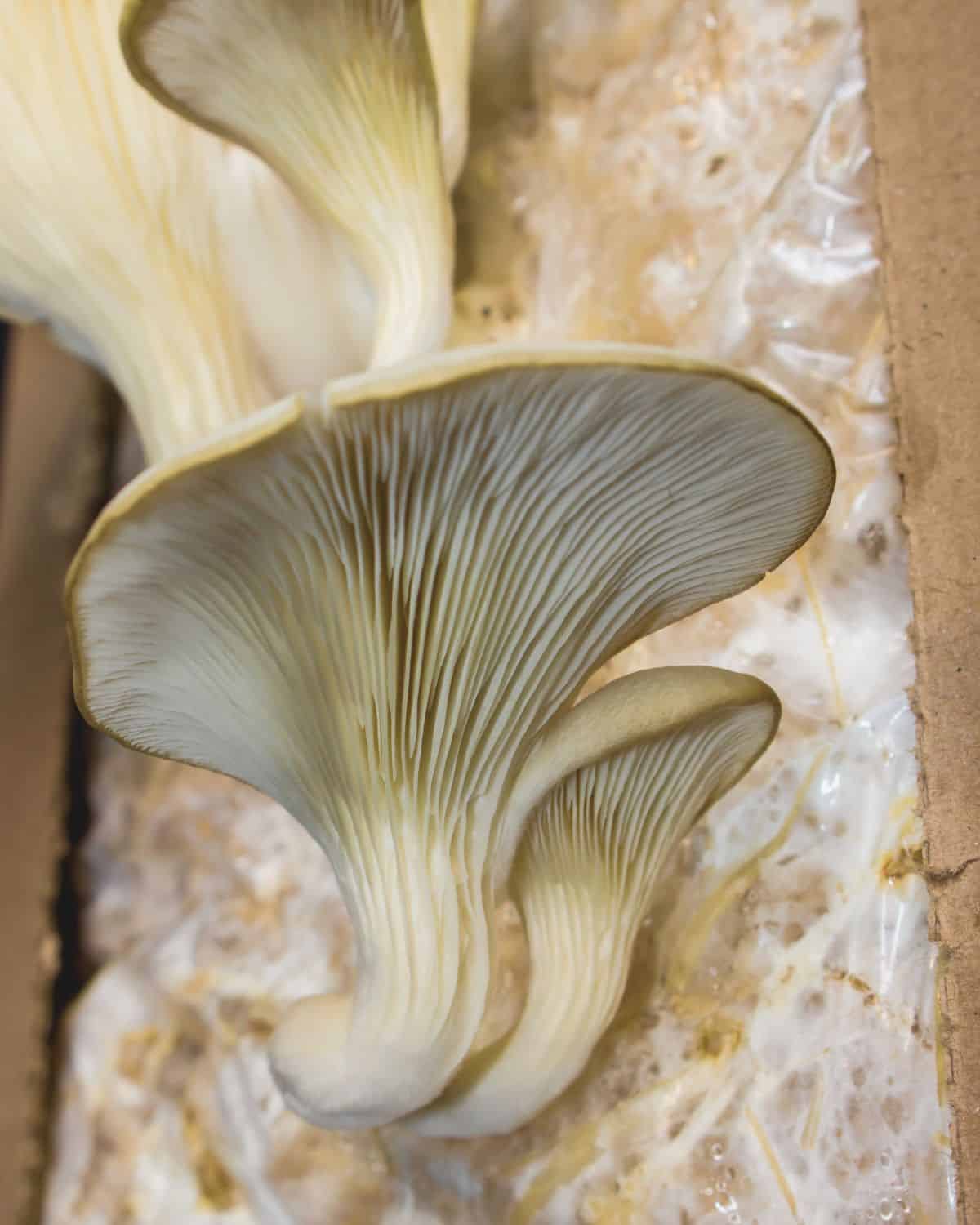
While field foraging remains the cornerstone of the hobby, there is a significant parallel market for indoor cultivation. Mushroom growing kits, such as those produced by Back to the Roots, have democratized mycology, allowing consumers to grow oyster mushrooms in domestic environments using recycled agricultural waste. This segment of the market appeals to urban dwellers and those who may be hesitant to identify wild fungi without professional supervision.
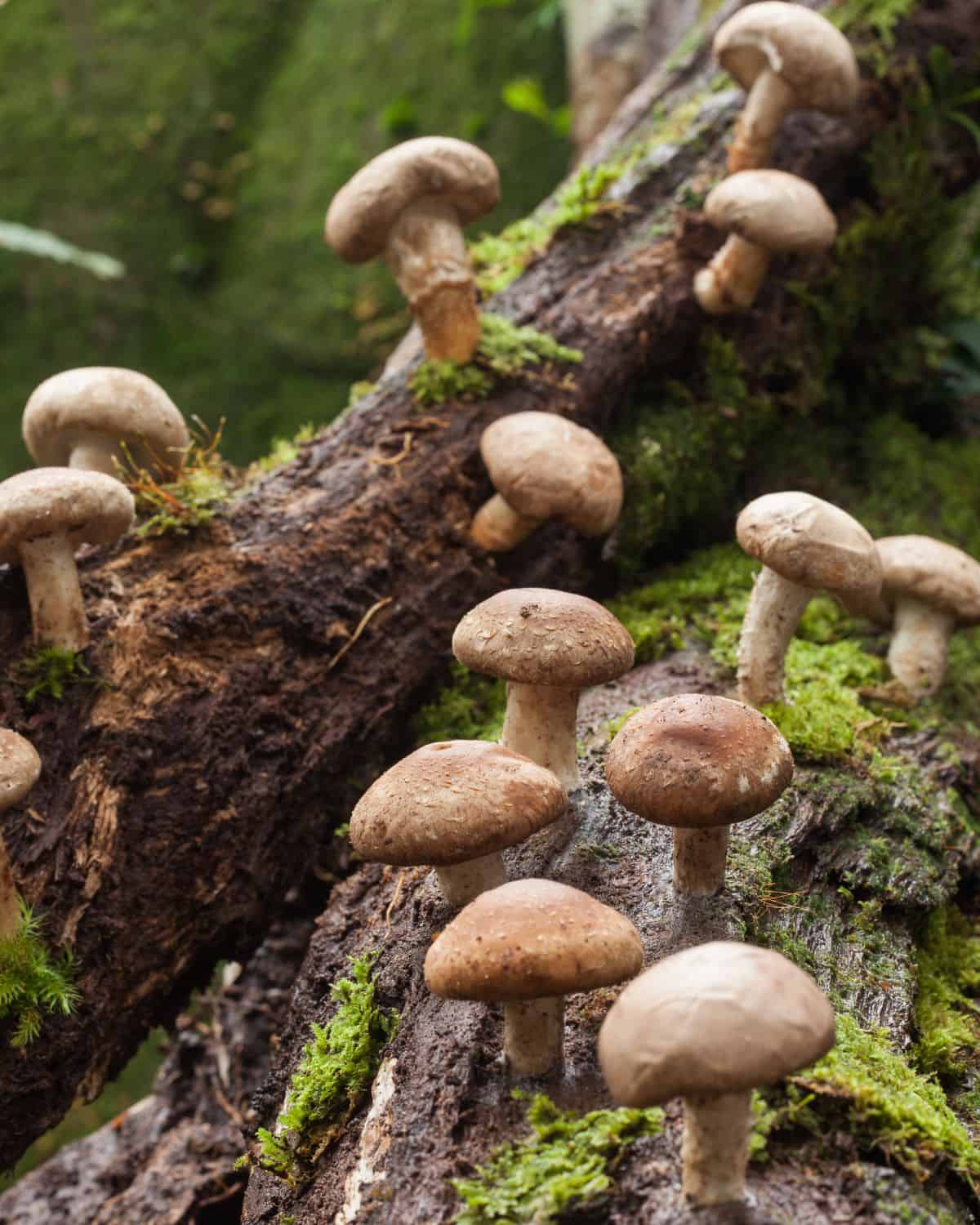
For more advanced practitioners, the sale of mushroom spawn plugs for log inoculation has seen steady growth. This method, which involves "planting" fungi like shiitake or lion’s mane into hardwood logs, represents a long-term investment in forest gardening and permaculture.
The integration of fungi into the health and wellness sector is another major trend. Brands like Four Sigmatic have successfully commercialized "mushroom coffee" and adaptogenic cocoas. By blending traditional coffee or chai with extracts of reishi, chaga, and cordyceps, these companies have tapped into the $25 billion functional beverage market. Analysts suggest that the convenience of single-serve packets makes these products particularly attractive for the outdoor community, specifically for camping and hiking applications.
Educational Resources and the Next Generation of Naturalists
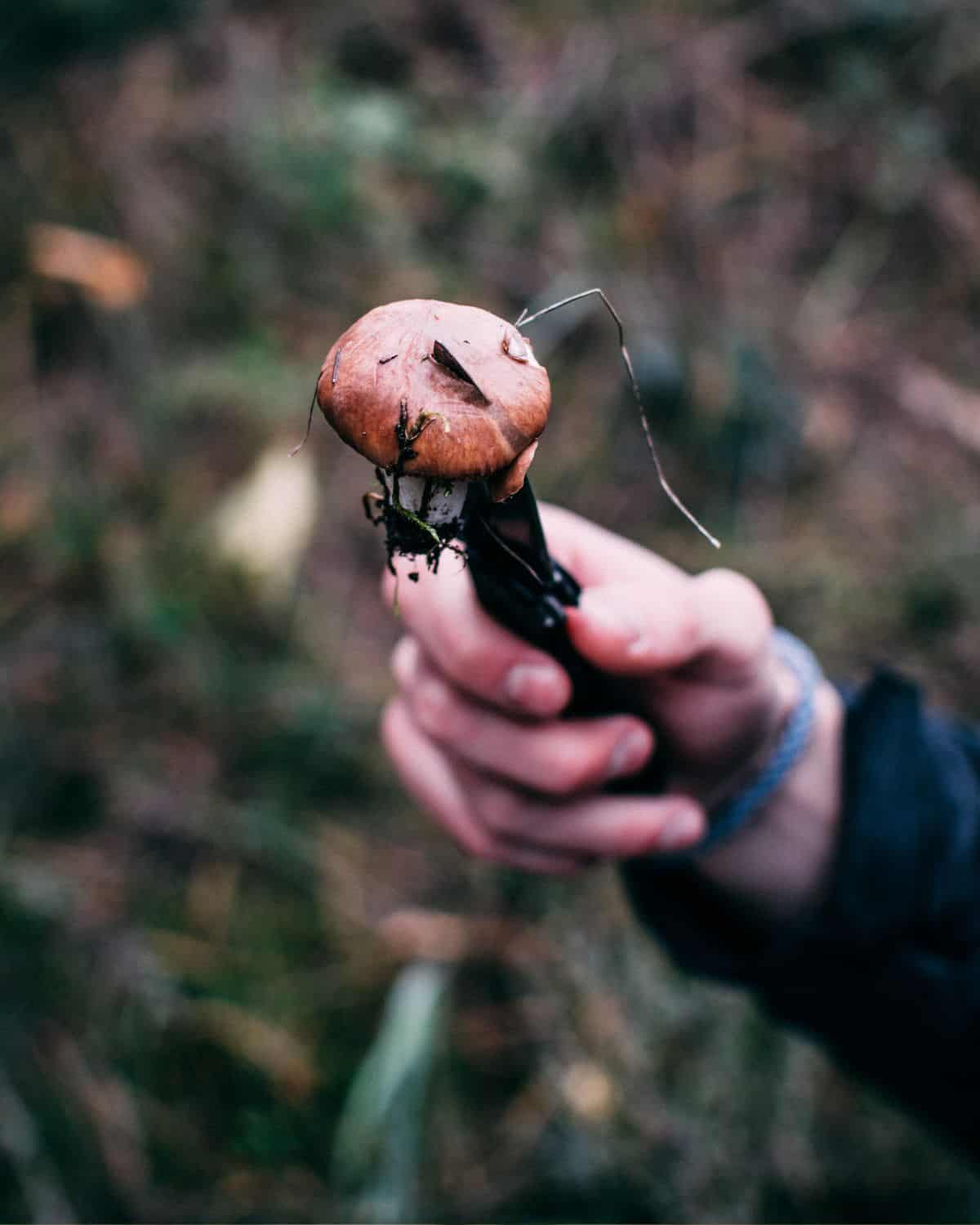
A critical component of the foraging sector is the dissemination of accurate botanical knowledge. Guidebooks are the most essential "tool" for any forager, as misidentification can lead to severe health consequences. The literary landscape is currently led by authors such as Samuel Thayer and David Arora. Thayer’s works are praised for their rigorous botanical standards and focus on North American species, while Arora’s "All That the Rain Promises and More" is considered the industry standard for field-portable mushroom identification.
The educational market is also expanding to include younger demographics. The "Wildcraft!" herbal adventure game by LearningHerbs is a prominent example of how complex ecological concepts can be translated into cooperative play. By gamifying the identification of medicinal plants and their uses, educators are fostering a new generation of ecologically literate citizens.
Children’s literature has also seen a surge in botanical themes. Titles like "The Dandelion Seed" and "In a Nutshell" provide foundational understandings of plant life cycles. Specialized bibliographies, such as "Foraging with Kids" and "Family Foraging," are increasingly popular among parents seeking to incorporate outdoor education into their family routines.
Lifestyle Integration and Aesthetic Trends
The influence of foraging extends into home décor and apparel, reflecting a broader cultural movement toward "botanical living." Retailers on platforms like Etsy have reported high demand for hand-crafted items, including mushroom-themed kitchenware, vintage-style tea towels, and felted ornaments. This "nature-inspired" décor segment allows enthusiasts to maintain a connection to the wildcrafting lifestyle during the off-season.
Apparel brands, such as Taproot Threads, have found success by featuring scientifically accurate botanical illustrations on high-quality garments. Hoodies and onesies featuring yarrow, morels, and chanterelles allow foragers to signal their interests within their communities. This intersection of science, art, and fashion is a key driver in the gifting economy, providing options that are both personal and practical.
Chronology of the Modern Foraging Movement
To understand the current market, it is necessary to look at the timeline of its development:
- Pre-2000s: Foraging was largely viewed as a survivalist skill or a niche hobby for academic botanists and mycologists.
- 2000-2010: The "Slow Food" movement and the rise of farm-to-table dining began to highlight wild ingredients like ramps and morels in high-end culinary circles.
- 2010-2019: Social media platforms, particularly Instagram and Pinterest, popularized the aesthetic of foraging. Influential books by Samuel Thayer and others provided accessible entry points for the public.
- 2020-Present: The global pandemic led to a massive influx of people into outdoor spaces. Interest in self-sufficiency and "wild-simulated" gardening reached record highs, solidifying foraging as a mainstream recreational activity.
Broader Impact and Implications
The commercialization of foraging gear and education has significant implications for environmental conservation and public health. On the positive side, an increase in "citizen scientists" leads to better monitoring of local biodiversity and a greater public investment in the protection of public lands. When individuals learn the value of a wild leek patch or a chanterelle grove, they are more likely to advocate for the preservation of those habitats.
However, market growth also brings challenges regarding over-harvesting and the degradation of ecosystems. Industry leaders emphasize the importance of "ethical foraging" guidelines, which dictate that one should never harvest more than a small percentage of a wild population. The rise of at-home cultivation kits and educational games is seen as a vital "pressure valve" that can satisfy the public’s interest in mycology without putting undue stress on wild populations.
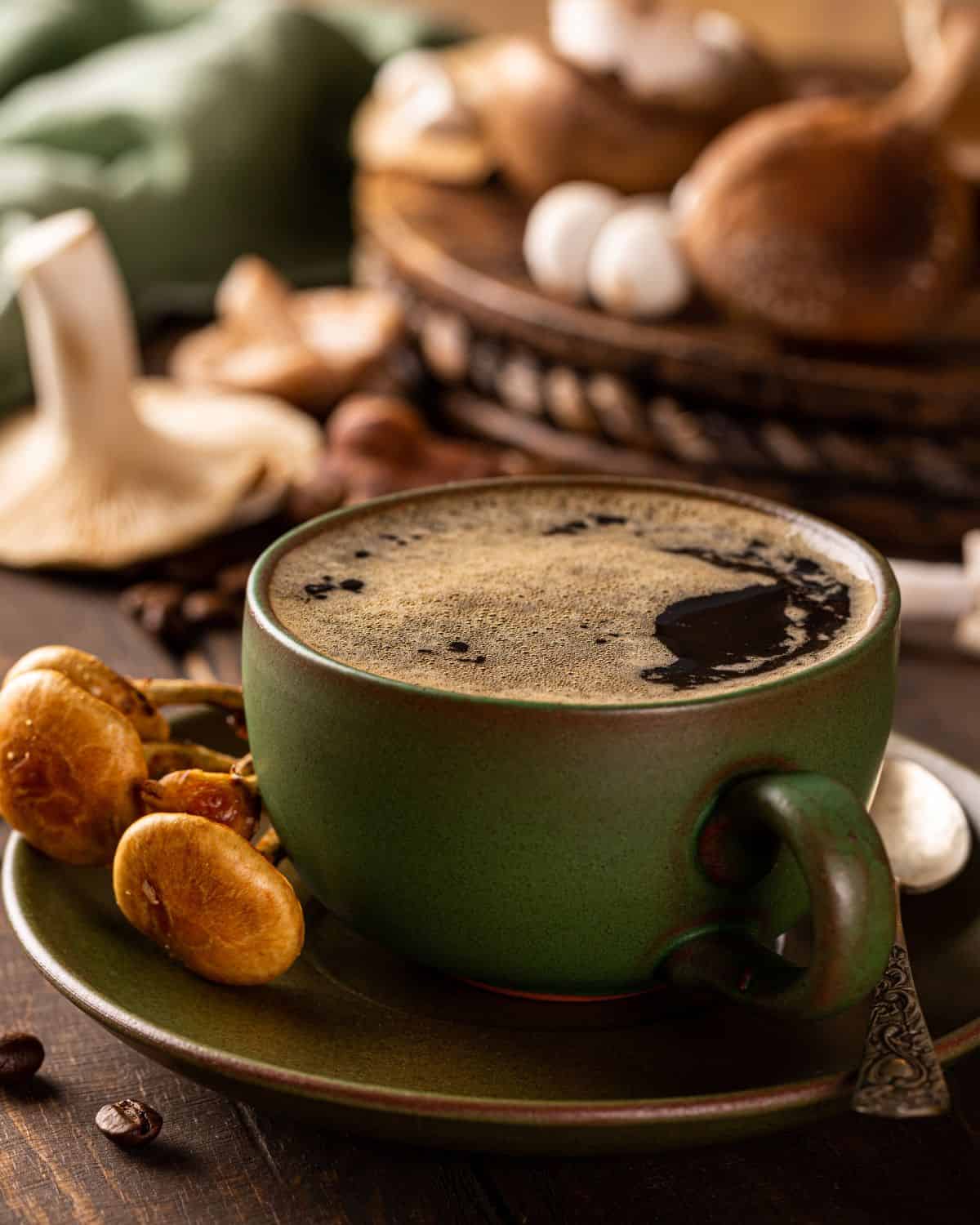
From a health perspective, the "mushroom boom" in the supplement and beverage industry is driving new research into the neuroprotective and immunomodulatory effects of fungi. As more consumers engage with these products, the demand for transparency in sourcing and extraction methods is expected to increase, leading to higher industry standards.
In conclusion, the foraging and wildcrafting gift market is no longer a fringe sector. It is a sophisticated ecosystem of products that reflect a deep-seated human desire to reconnect with the natural world. For the consumer, the holiday season offers an opportunity to support sustainable businesses, invest in lifelong skills, and encourage the next generation of environmental stewards. For the industry, the challenge remains to balance commercial success with the ecological integrity of the very resources that sustain it.


