
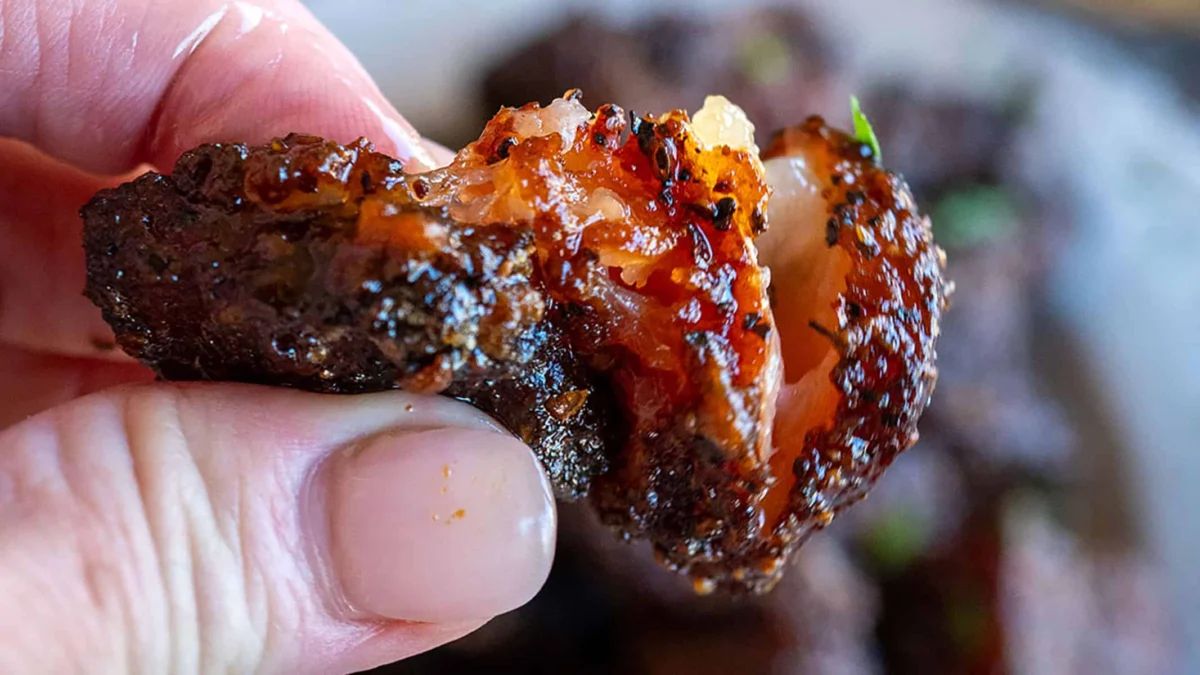
In the ever-evolving landscape of barbecue, innovation often arises from the masterful fusion of established techniques and beloved flavors. Such is the case with the emergence of "Pastrami Pork Belly Burnt Ends," a dish that ingeniously marries the rich, unctuous nature of pork belly with the bold, peppery profile of classic pastrami. This culinary creation promises a depth of flavor that transcends the traditional barbecue rub, offering a sophisticated twist on a universally cherished appetizer and entrée.
The genesis of this particular rendition can be traced to the meticulous development by pitmasters who understand the nuances of cured meats on the smoker. Traditional burnt ends, historically the flavorful trimmings from a smoked brisket point, have evolved to encompass any cubed, slow-cooked meat that achieves a sticky, tender finish after a second saucing. This pastrami-infused version, however, embarks on a more intricate journey, beginning with a multi-day curing process that imparts the signature character of pastrami to the pork belly.

The Science and Art of Curing
At the heart of this recipe lies the concept of curing, a preservation technique that dates back centuries. Curing involves the use of salt, and often other agents like nitrates and nitrites, to inhibit bacterial growth and alter the texture and flavor of meat. In the context of pastrami, the curing brine is typically infused with a complex blend of spices, most notably coriander and black pepper, which form the iconic crust.
While beef is the traditional canvas for pastrami, this recipe demonstrates a remarkable transference of flavor and texture to pork belly. The rich marbling and inherent tenderness of pork belly are ideally suited to withstand the curing process and the subsequent smoking. The result is a pork belly that is not only succulent but also imbued with the distinctive spicy, tangy notes that define pastrami, all while retaining its characteristic melt-in-your-mouth quality.

A Multi-Day Transformation: The Chronology of Flavor
The creation of these Pastrami Pork Belly Burnt Ends is not a spontaneous culinary endeavor; it is a carefully orchestrated process that demands patience and foresight. The timeline for this recipe typically spans several days, a testament to the dedication required to achieve optimal flavor development.
-
Day 1-6: The Brining Period. The process commences with the pork belly undergoing a prolonged brine. This step is crucial for both tenderizing the meat and infusing it with the foundational pastrami flavors. The brine, often a carefully guarded proprietary blend, is dissolved in water and then used to submerge the cubed pork belly. This immersion typically lasts for a full six days in a refrigerated environment. During this time, the salt and spices penetrate the meat, initiating the curing process and laying the groundwork for the complex taste profile.

-
Day 7: Rinsing and Curing. Following the extended brining, the pork belly is thoroughly rinsed under cold water to remove excess salt. This is followed by the application of a pastrami rub, designed to complement and enhance the flavors already imparted by the brine. The seasoned pork belly cubes are then placed on a rack, uncovered, and refrigerated. This overnight cure allows the surface of the meat to dry slightly, which is a critical step for developing a superior bark and crust during the smoking phase. This stage is vital for ensuring the rub adheres well and creates a more complex textural element.
-
Day 8: The Smoke and Glaze. The culmination of the preparation occurs on the eighth day, when the cured and seasoned pork belly embarks on its journey in the smoker. Heated to a low temperature, typically around 225°F (107°C), the pork belly is smoked for several hours. This slow, indirect heat allows the smoke to gently infuse the meat, further developing its flavor without drying it out. Once the pork belly reaches an internal temperature conducive to tenderness, it is transferred to an aluminum pan. Here, it is combined with a rich glaze, often a harmonious blend of butter, hot mustard, and honey. The pan is then covered and returned to the smoker for a braising period, allowing the pork belly to become incredibly tender and absorb the luscious glaze. Finally, the foil is removed, and the burnt ends are cooked for a final period, uncovered, to allow the glaze to caramelize and achieve a sticky, lacquered finish.
Data-Driven Perfection: Nutritional Insights

The meticulous preparation of Pastrami Pork Belly Burnt Ends results in a dish that is undeniably rich and flavorful. While precise nutritional values can vary based on specific ingredients and portion sizes, a typical serving offers a substantial caloric and macronutrient profile. For instance, a serving of approximately 3.5 ounces (100 grams) of these burnt ends can contain around 936 calories. This is largely attributed to the high fat content of pork belly, estimated at approximately 92 grams per serving, with saturated fat contributing significantly. The protein content is generally around 16 grams, while carbohydrates are relatively low, often around 13 grams, with sugars contributing a portion of that. This nutritional breakdown highlights the indulgent nature of the dish, positioning it as a decadent treat rather than a light meal. The fat content, while high, is essential to the characteristic succulence and flavor absorption of the pork belly.
Expert Insights and Culinary Philosophy
The development of such recipes often stems from a deep understanding of barbecue competition and a passion for refining classic techniques. Pitmasters like Christie Vanover of Girls Can Grill, who developed this specific recipe, leverage years of trial and error to perfect their craft. Her philosophy emphasizes not just replicating traditional methods but innovating upon them to create new and exciting flavor experiences.

"Pastrami is traditionally made from beef," Vanover notes, "but the brine and rub translate beautifully to pork belly, giving you that same coriander-and-pepper crust with all the fat and tenderness pork belly brings to the table." This statement underscores the adaptable nature of barbecue techniques and the potential for unexpected yet successful flavor pairings.
The "At a Glance" section of the recipe card also provides crucial context for home cooks. The explicit note, "this recipe requires several days of lead time for brining and curing, so plan ahead before you start," serves as a vital piece of information, managing expectations and ensuring a successful outcome. This transparency is characteristic of skilled recipe developers who understand the practicalities of home cooking.
Broader Impact and Culinary Trends

The popularity of fusion cuisine, particularly in the realm of barbecue, continues to surge. Dishes like Pastrami Pork Belly Burnt Ends exemplify this trend, appealing to a growing audience of adventurous eaters seeking novel flavor combinations. The integration of pastrami’s distinct characteristics into a beloved pork preparation speaks to a broader culinary movement that values depth, complexity, and the unexpected.
This innovation also has implications for the broader food industry. The success of such recipes can inspire further experimentation with curing and smoking techniques across different proteins and flavor profiles. It also highlights the enduring appeal of slow-cooked, flavorful meats as central components of celebratory meals and casual gatherings alike.
Serving and Storage: Maximizing Enjoyment

The versatility of Pastrami Pork Belly Burnt Ends is a significant factor in their appeal. They can be served as a robust entrée, particularly when paired with comforting sides that can absorb the rich glaze, such as creamy grits or mashed potatoes. Alternatively, they function exceptionally well as an appetizer or a centerpiece for a party spread, offering a sophisticated yet approachable bite for guests.
Storage instructions are standard for high-fat, slow-cooked meats. Leftovers can be stored in an airtight container in the refrigerator for up to five days, or frozen for up to six months. Reheating is best accomplished through methods that preserve moisture and texture, such as a microwave or an air fryer, until warmed through.
Frequently Asked Questions: Addressing Culinary Queries

To further demystify the creation and enjoyment of this dish, frequently asked questions often arise:
-
What makes these different from regular burnt ends? The primary distinction lies in the foundational flavor profile. Regular burnt ends rely on a traditional barbecue rub, while these incorporate a pastrami brine and rub, imbuing the pork belly with the characteristic peppery and coriander notes of pastrami before the smoking and glazing process.
-
Can I skip the brining step? While it is possible to shorten the brining time, skipping it entirely would fundamentally alter the dish. The brine is integral to achieving the authentic pastrami flavor and contributes to the meat’s tender texture. For those seeking a quicker option, a recipe for barbecue pork belly burnt ends without the extended curing would be a more suitable alternative.

-
What can I use instead of hot mustard? The hot mustard in the glaze provides a piquant counterpoint to the richness of the pork belly and the sweetness of the honey. However, substitutions are feasible. Yellow mustard, Dijon mustard, or even a favorite barbecue sauce can be used to achieve a similar glazing effect, albeit with a nuanced difference in flavor profile.
The evolution of Pastrami Pork Belly Burnt Ends represents a compelling chapter in the ongoing narrative of barbecue innovation. By thoughtfully integrating the robust flavors of pastrami with the inherent richness of pork belly, pitmasters have crafted a dish that is both familiar and exciting, offering a profound depth of flavor that is sure to delight discerning palates.


