The modern nursery has become a landscape dominated by synthetic polymers, ranging from the polyester fibers in sleepwear to the polyvinyl chloride (PVC) found in bath toys and the polyethylene layers essential to disposable diapers. While these materials have provided decades of convenience and cost-effectiveness for parents, a growing body of scientific research is illuminating the potential physiological costs associated with early-life exposure to plastic-derived chemicals. As pediatricians and environmental health researchers intensify their scrutiny, the industry is seeing a pivotal shift toward material transparency and the reintroduction of natural fibers in essential baby products.
The Chemical Landscape: Phthalates and Endocrine Disruption
At the center of the concern are phthalates, a class of chemical compounds primarily used as plasticizers to increase the flexibility, transparency, and durability of plastics, particularly PVC. Because phthalates are not chemically bound to the plastic matrix, they can leach out over time or when exposed to heat and mechanical stress. For infants, whose primary mode of exploration involves hand-to-mouth contact, the risk of ingestion is significantly higher than for adults.
The biological impact of these chemicals is profound. Phthalates are classified as endocrine-disrupting chemicals (EDCs), meaning they can interfere with the body’s hormonal signaling pathways. Recent longitudinal studies have correlated high levels of phthalate exposure in utero and during infancy with adverse developmental outcomes. Research published in peer-reviewed journals, including a significant study highlighted by the National Institutes of Health (NIH), indicates that children’s exposure to these chemicals can negatively affect reproductive hormone levels, thyroid function, and even neurodevelopmental trajectories.
The vulnerability of infants is exacerbated by their rapid metabolic rates and developing organ systems. Unlike adults, whose bodies may more efficiently process and excrete certain toxins, infants possess a higher surface-area-to-body-mass ratio and a developing blood-brain barrier, making them uniquely susceptible to the cumulative effects of chemical leaching from their immediate environment.
The Evolution of the Diaper Industry: From Cloth to Composite
The history of infant hygiene has undergone a radical transformation over the last century. For generations, reusable cloth diapers—predominantly made of cotton or linen—were the global standard. The introduction of the first mass-market disposable diapers in the mid-20th century revolutionized parental labor, but it also introduced a complex assembly of synthetic materials into constant contact with infant skin.
Modern disposable diapers are engineering marvels designed for maximum absorbency, yet they are traditionally composed of several layers of plastic. The topsheet, which sits directly against the baby’s skin, is typically made of polypropylene or polyethylene. The absorbent core often contains sodium polyacrylate (SAP) and wood pulp, while the outer waterproof shell is almost entirely synthetic.
While the convenience of disposables is undeniable, the economic and logistical barriers to cloth diapering—including the high initial cost of a reusable "stash," the requirement for frequent laundering, and the reluctance of many commercial daycare centers to handle cloth—have left many parents seeking a middle ground. This has spurred a new wave of innovation in the "clean" diaper market.
Case Study in Innovation: Material Shifts in Hygiene
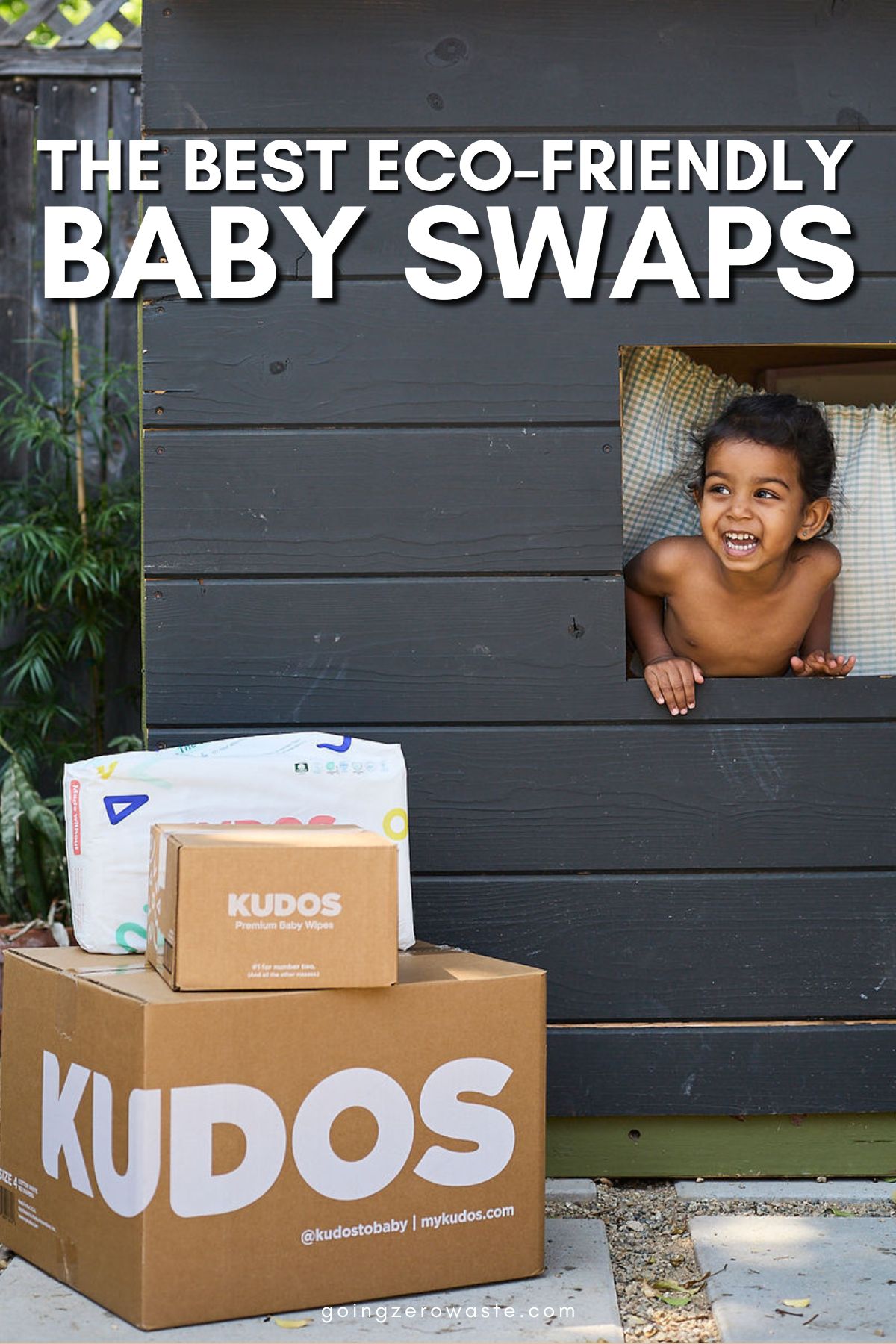
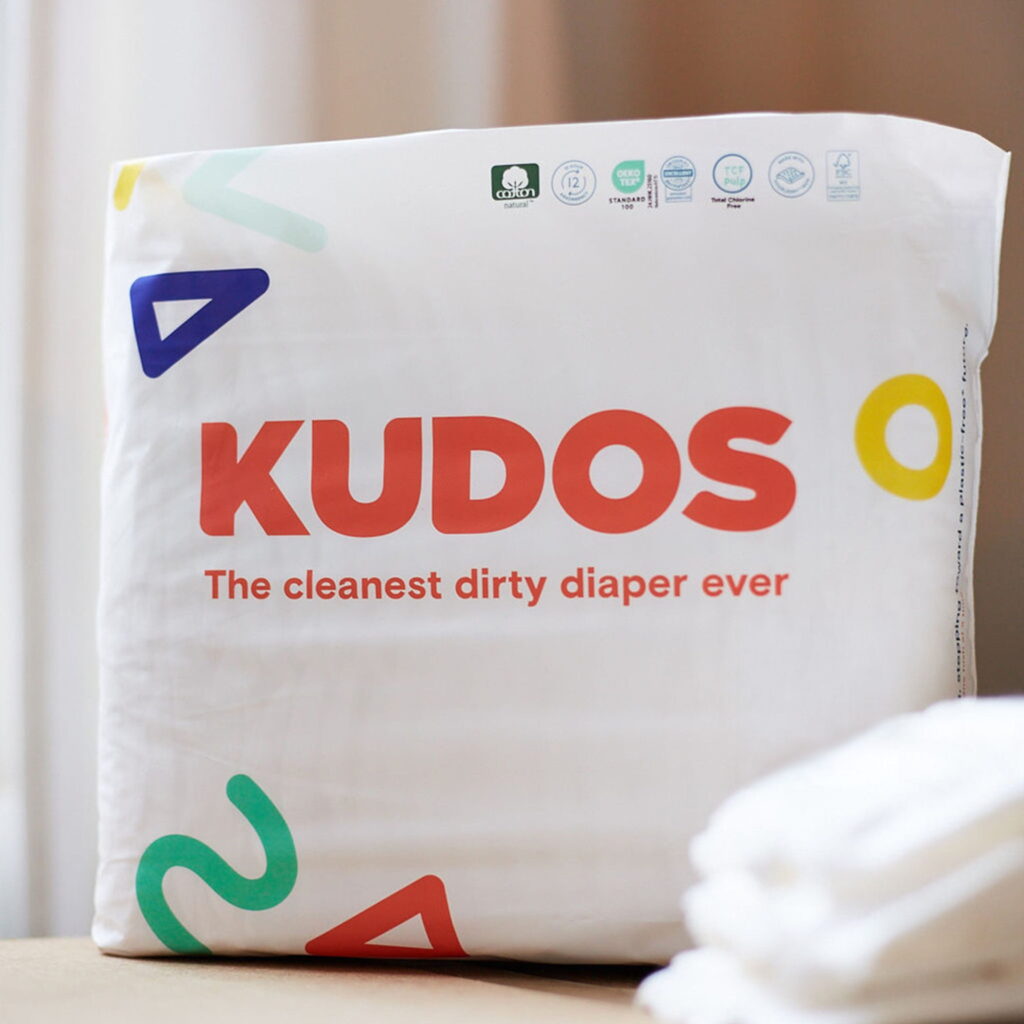
A notable example of this market evolution is the emergence of brands like Kudos, which represents a shift in material science. Recognizing that the topsheet is the primary point of chemical transfer, Kudos developed the first disposable diaper featuring a 100% cotton liner. This design choice addresses the concern that synthetic liners may contain trace amounts of phthalates or other processing chemicals.
By utilizing dry-processed, U.S.-sourced cotton, manufacturers are attempting to provide the breathability and hypoallergenic properties of natural fibers while maintaining the high-performance absorbency of a disposable. These products are often verified by third-party certifications such as OEKO-TEX STANDARD 100, which tests for hundreds of harmful substances, and the Forest Stewardship Council (FSC), which ensures responsible sourcing of the wood pulp used in the absorbent core. The trend toward "Totally Chlorine Free" (TCF) processing further reduces the risk of dioxin contamination, a byproduct of traditional bleaching methods.
The Microplastic Crisis in Infant Nutrition
Beyond topical exposure, the ingestion of microplastics through feeding equipment has emerged as a critical concern for public health officials. A 2020 study published in Nature Food revealed that plastic baby bottles made of polypropylene can shed millions of microplastic particles per day when exposed to high temperatures.
The standard procedure for many parents—sterilizing bottles in boiling water or heating formula directly in a plastic container—accelerates the degradation of the polymer. Researchers found that when polypropylene bottles were prepared according to World Health Organization (WHO) guidelines, they released between 1.3 million and 16.2 million particles of microplastics per liter.
In response, the American Academy of Pediatrics (AAP) and other health organizations have begun recommending a "precautionary principle" approach. This includes:
- Glass Alternatives: Transitioning to tempered glass baby bottles, which are inert and do not leach chemicals or microplastics when heated.
- Heat Management: Advising parents to never microwave plastic bottles or food containers, as localized "hot spots" can trigger significant chemical migration.
- Preparation Adjustments: Heating liquids in glass or stainless steel before transferring them to plastic containers once they have reached a safe, lukewarm temperature.
Textiles and Toys: The Role of Natural Fibers
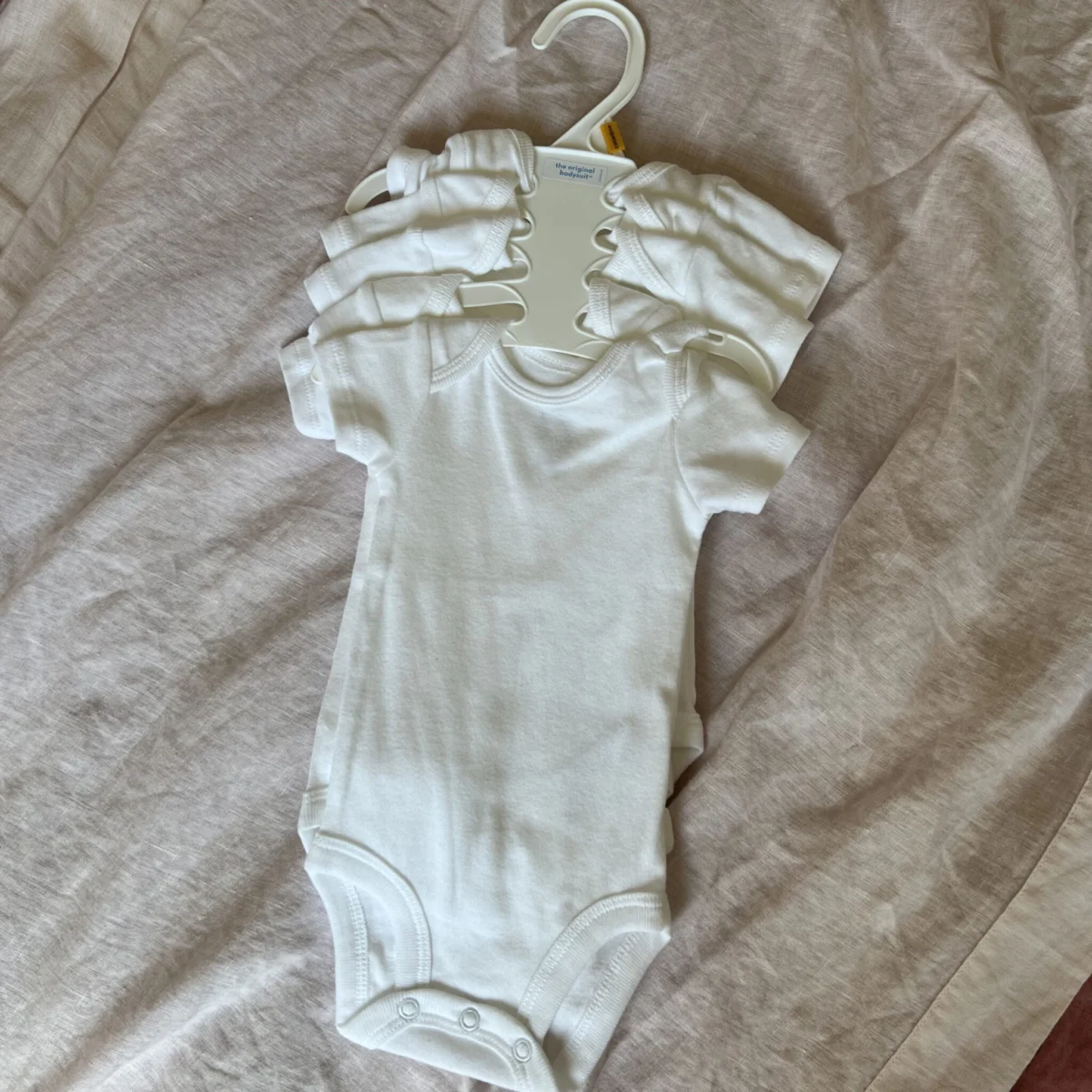
The saturation of plastics extends to infant wardrobes and playrooms. Synthetic fabrics like polyester, nylon, and acrylic are essentially woven plastics. These materials are prone to shedding microfibers, which can be inhaled or ingested by infants as they crawl across synthetic carpets or chew on their sleeves.
Environmental health advocates are increasingly pushing for a return to natural textiles. Organic cotton, hemp, and wool are being championed not only for their sustainability but for their lack of synthetic coatings. Many synthetic garments are treated with flame retardants or "easy-care" chemicals like formaldehyde to prevent wrinkling—additives that are less common in certified organic natural fibers.
Similarly, the toy industry is seeing a resurgence of "heirloom-quality" materials. Traditional plastic teethers and squeeze toys are being replaced by natural rubber, harvested from the Hevea brasiliensis tree, and unpainted or naturally dyed wooden blocks. The move toward edible art supplies, such as beeswax crayons and plant-based finger paints, further minimizes the risk of chemical ingestion during the developmental stage where "everything goes in the mouth."
Regulatory Landscapes and Market Responses
The regulatory response to plastic safety in baby products has been a patchwork of international standards. In the United States, the Consumer Product Safety Improvement Act (CPSIA) of 2008 significantly restricted the use of certain phthalates in children’s toys and childcare articles. However, many health advocates argue that these regulations do not go far enough, as they often target specific compounds while allowing chemically similar "replacement" phthalates that may carry similar risks.
In contrast, the European Union has adopted a more stringent REACH (Registration, Evaluation, Authorisation and Restriction of Chemicals) framework, which places the burden of proof on manufacturers to demonstrate that their substances are safe before they can be used in consumer goods.
As a result of these varying standards, a "bottom-up" change is occurring. Consumers are increasingly voting with their wallets, driving a market for "non-toxic" and "plastic-free" labels. Market analysts predict that the global organic baby clothing and eco-friendly diaper markets will continue to grow at a compound annual growth rate (CAGR) exceeding 10% over the next decade.
Broader Implications for Public Health
The long-term implications of reducing plastic exposure in infancy extend beyond individual health. From a public health perspective, reducing the chemical load on the youngest members of society could potentially lower the incidence of endocrine-related disorders, including early-onset puberty, obesity, and certain metabolic syndromes.

Furthermore, the environmental impact of the plastic-heavy nursery cannot be ignored. With billions of disposable diapers entering landfills annually—each taking an estimated 500 years to decompose—the shift toward biodegradable components and natural fibers represents a necessary step toward ecological sustainability.
While the total elimination of plastic in a modern context may be a logistical impossibility for most families, the current trend toward "informed reduction" is gaining momentum. By prioritizing natural fibers in items that have the most prolonged and intimate contact with infants—such as diapers, bottles, and bedding—parents and manufacturers are collaborating to create a safer developmental environment. The integration of material science with traditional natural resources is no longer just a niche preference; it is becoming a cornerstone of modern pediatric health and safety standards.