Masa, the properly processed corn flour, is a fundamental ingredient with profound historical, cultural, and nutritional significance, particularly as the cornerstone of much of Mexican cuisine. From the ubiquitous tortilla to the rich tamale, masa’s versatility and unique properties are a direct result of an ancient Mesoamerican technique known as nixtamalization. This intricate process transforms ordinary corn into a nutrient-rich, pliable dough, unlocking vital health benefits and shaping culinary traditions for millennia.
The Genesis of Masa: A Deep Dive into Nixtamalization
The journey of masa begins not in a modern kitchen, but in the heart of ancient Mesoamerica, where civilizations such as the Olmec, Maya, and Aztec independently developed and perfected nixtamalization. This sophisticated food processing method involves cooking dried corn kernels in an alkaline solution, typically limewater (calcium hydroxide, or cal), followed by steeping, rinsing, and then grinding the softened kernels into a dough. The resulting product, known as nixtamal before grinding, is then dried and milled into masa harina, or corn flour.
The discovery of nixtamalization was not merely a culinary innovation; it was a public health revolution. Corn, or maize, while a prolific and calorie-dense crop, naturally contains niacin (Vitamin B3) in a bound form, rendering it largely unavailable for human absorption. A diet heavily reliant on unprocessed corn can lead to pellagra, a debilitating disease characterized by dermatitis, diarrhea, dementia, and eventually death. Nixtamalization chemically alters the corn, releasing the bound niacin and making it bio-available. This crucial insight, likely stumbled upon through empirical observation rather than scientific understanding in ancient times, protected entire populations from widespread nutritional deficiencies, allowing these civilizations to thrive on corn-based diets.
Beyond niacin, the alkaline solution also facilitates the absorption of calcium and potassium into the corn kernels. This enhances the nutritional profile of masa-based foods, contributing significantly to the dietary calcium intake of populations where dairy consumption might be limited. The process also modifies the corn’s protein matrix, improving the digestibility of other nutrients and enhancing the overall bioavailability of amino acids.
A Timeline of Transformation: From Ancient Staple to Modern Revival
The history of nixtamalization stretches back thousands of years, with archaeological evidence suggesting its practice as early as 1500-1200 BCE among the Olmecs.
- Circa 1500-1200 BCE: Early evidence of nixtamalization among the Olmec civilization in present-day Mexico. This period marks the foundational understanding of how to process corn for improved nutrition and culinary workability.
- Circa 250-900 CE: The Classic Maya period sees nixtamalized corn as a central element of their diet and religious practices. Tortillas, tamales, and atole (a corn-based beverage) become staples, reflecting the widespread mastery of the technique.
- Circa 1300-1521 CE: The Aztec Empire extensively utilizes nixtamalized corn, with sophisticated systems for production and distribution. Masa is central to their social, economic, and religious life.
- 16th Century: Spanish conquistadors arrive in the Americas. While initially overlooking or misunderstanding the importance of nixtamalization, they eventually document its practice. Corn, often in its unprocessed form, is introduced to Europe, leading to outbreaks of pellagra in regions where it became a staple without nixtamalization.
- 18th-19th Centuries: Scientific understanding of pellagra and the role of niacin begins to emerge in Europe and the United States, but the direct link to nixtamalization is not fully appreciated until much later.
- Early 20th Century: The scientific community fully elucidates the chemical changes and nutritional benefits of nixtamalization, recognizing it as a sophisticated indigenous food technology.
- Late 20th Century – Present: A global resurgence of interest in traditional foodways and indigenous knowledge brings renewed attention to nixtamalization. Artisanal masa producers and food enthusiasts champion the superior flavor, texture, and nutritional advantages of traditionally processed masa over industrially produced alternatives.
Today, nixtamalization remains a vibrant tradition in homes and small-scale operations across Mexico and Central America, even as large industrial producers adopt modernized versions of the process to meet global demand for corn products.
The Science Behind the Culinary Magic
The transformation of dried corn kernels into masa involves a series of critical chemical and physical changes during the nixtamalization process:
- Cooking in Alkaline Solution: Dried corn is simmered in water containing calcium hydroxide (calcium oxide, or "lime," dissolved in water). The alkaline environment softens the pericarp (outer skin) of the corn kernel, allowing for easier removal.
- Steeping and Soaking: After cooking, the corn is steeped in the cooking liquid for several hours, sometimes overnight. This crucial step allows the alkaline solution to penetrate deep into the kernel, initiating enzymatic and chemical reactions.
- Chemical Changes and Nutrient Release:
- Niacin Bioavailability: The most significant change is the liberation of niacin from its bound form (niacytin), making it readily available for human absorption. This is vital for preventing pellagra.
- Calcium and Potassium Absorption: The kernels absorb calcium and potassium from the limewater, significantly enriching their mineral content.
- Starch Gelatinization: The starches within the corn kernels swell and gelatinize, creating a viscous, pliable texture essential for forming dough. This also contributes to the unique flavor and aroma of masa.
- Protein Matrix Modification: The alkaline treatment alters the corn’s protein structure, enhancing the digestibility and overall nutritional value of the proteins.
- Flavor Development: Nixtamalization imparts a distinctive earthy, slightly alkaline flavor profile to the corn, differentiating it significantly from unprocessed corn products like cornmeal.
- Washing and Grinding: The softened kernels, now called nixtamal, are thoroughly rinsed to remove excess lime and pericarp fragments. They are then traditionally ground using volcanic stone mills (metates) or modern grinders to produce a smooth, consistent dough.
- Drying and Milling (for Masa Harina): For convenience and shelf-stability, the wet masa can be dried and then milled into a fine flour (masa harina), which can be reconstituted with water to form fresh masa dough.
Nutritionists and food scientists universally acknowledge nixtamalization as an ingenious example of traditional food processing that enhances both the nutritional value and culinary utility of a staple crop. Dr. Gustavo Arellano, a prominent food historian and author, notes, "Nixtamalization is arguably one of the greatest culinary and scientific innovations in human history. It took a simple grain and turned it into a nutritional powerhouse, the foundation of an entire civilization’s diet."
The Cultural Heartbeat of Masa
In Mexico and throughout Central America, masa is more than just an ingredient; it is the very essence of culinary identity and cultural heritage. It represents continuity with ancient traditions, the warmth of home, and the foundation of countless family meals. The act of preparing masa, whether from scratch or reconstituting masa harina, is often a communal and cherished activity, passed down through generations.
The versatility of masa is unparalleled. Its most famous incarnation is the tortilla, a thin, round flatbread that serves as the bread of Mexico. Freshly pressed and cooked tortillas possess a distinct aroma and tender-chewy texture that store-bought versions rarely replicate. Beyond tortillas, masa is transformed into a dizzying array of dishes:
- Tamales: Steamed packets of masa dough, often filled with meats, cheeses, or fruits, wrapped in corn husks or banana leaves.
- Sopes, Gorditas, Huaraches: Thicker masa bases, often fried or griddled, topped with various ingredients.
- Pupusas: Stuffed masa tortillas from El Salvador.
- Atole: A warm, thick beverage made from masa, often flavored with chocolate, vanilla, or fruit.
- Tlacoyos: Oval-shaped masa tortillas, typically stuffed with beans or cheese.
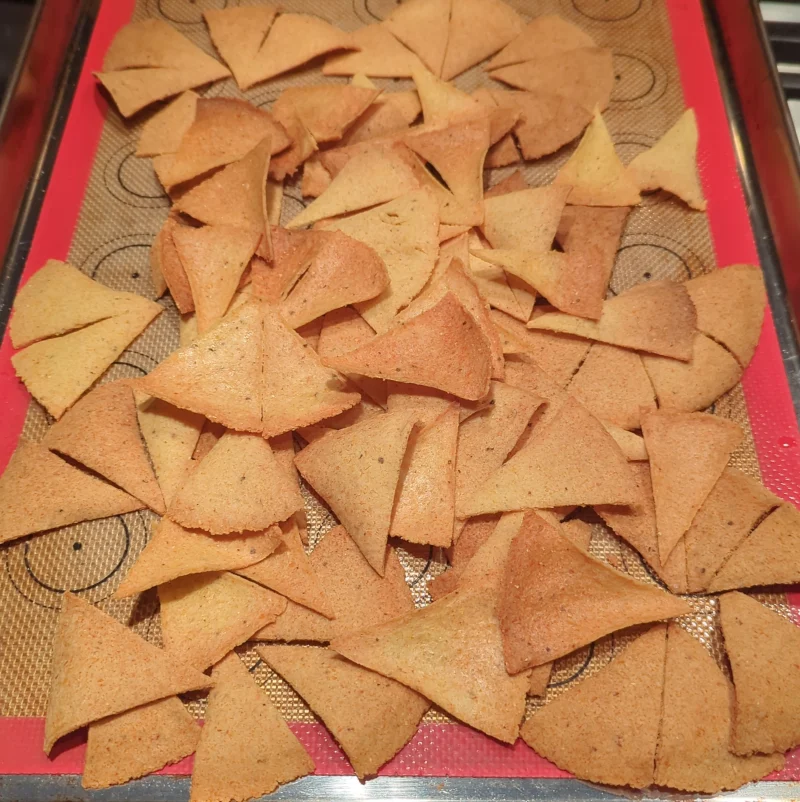
- Corn Chips: Thin slices of masa tortillas, fried until crispy, form the basis of classic tortilla chips, often served with salsa or guacamole.
The preparation of these dishes often involves specific tools, such as the tortilla press. While modern presses are available in aluminum or cast iron, many traditionalists and enthusiasts favor wooden models, often antique pieces passed down through families. These presses ensure an even distribution of pressure, resulting in uniformly thin tortillas, a crucial element for proper cooking and texture. The weight and stability of a well-built wooden press, often imbued with decades of use, connect the user to a tangible culinary legacy.
The Economic Landscape of Masa Production
The market for masa and masa-based products is substantial, encompassing both large-scale industrial production and a growing segment of artisanal, small-batch producers. Global demand for tortillas, tortilla chips, and other Mexican food items has propelled corn processing into a multi-billion-dollar industry.
Large corporations often utilize highly automated nixtamalization processes and massive grinding facilities to produce masa harina for global distribution. This industrial approach prioritizes efficiency, consistency, and shelf-stability, making masa products accessible worldwide. However, critics argue that industrial processes can sometimes compromise the nuanced flavor and texture achieved through traditional methods, and some industrial masa harina may use preservatives or additives not found in artisanal versions.
In contrast, a vibrant network of artisanal masa producers focuses on quality, heritage, and often, specific regional corn varieties. These producers frequently work directly with local farmers, sourcing heirloom or non-GMO corn, and employing traditional nixtamalization techniques. Their products are sought after by high-end restaurants, specialty grocery stores, and home cooks who prioritize authenticity and superior flavor. Companies like Masienda in the U.S. have been instrumental in connecting these traditional producers with a broader market, emphasizing the cultural and economic value of heritage corn and nixtamalization.
The rise of conscious consumerism has also led to increased interest in the sourcing and processing of corn. Consumers are increasingly seeking out masa harina made from organic, non-GMO corn, and those produced using traditional nixtamalization methods, reflecting a broader trend towards healthier, more authentic food choices.
Broader Implications: Health, Heritage, and Sustainability
The renewed focus on masa and nixtamalization carries significant implications across several domains:
Public Health: By highlighting the nutritional advantages of nixtamalized corn, there is an opportunity to educate consumers about healthier food choices. For populations that rely heavily on corn, promoting nixtamalization can help combat micronutrient deficiencies, especially niacin deficiency. This knowledge is particularly relevant in areas where access to diverse diets is limited.
Cultural Preservation: The continued practice of nixtamalization and masa preparation ensures the survival of ancient culinary traditions. As global food systems become increasingly homogenized, preserving these unique methods contributes to cultural diversity and strengthens community ties. Chefs, food writers, and organizations are actively working to document and promote these practices, ensuring they are not lost to modernization.
Food Security and Sustainability: Promoting diverse, locally adapted corn varieties and traditional processing methods can contribute to more resilient and sustainable food systems. Heirloom corn varieties, often preferred for masa due to their flavor and starch characteristics, represent invaluable genetic diversity that can withstand changing environmental conditions. Supporting local corn farmers and artisanal masa producers strengthens regional economies and reduces reliance on long supply chains.
In conclusion, masa, born from the ancient and ingenious process of nixtamalization, stands as a testament to humanity’s ability to innovate and adapt for survival and sustenance. It is a cornerstone of a rich culinary heritage, a nutritional powerhouse, and a symbol of cultural resilience. As interest in authentic, healthy, and sustainably produced foods grows, the significance of masa and the timeless art of nixtamalization continue to resonate, connecting contemporary diners to a profound past and a flavorful future.