The practice of food dehydration has emerged as a critical component of modern sustainable living, offering a viable solution to the perennial problem of seasonal produce waste. As agricultural prices fluctuate and interest in home-based food security grows, the dehydration of cantaloupe (Cucumis melo var. cantalupensis) has gained traction as an effective method for preserving the fruit’s high nutritional content while creating a shelf-stable, versatile snack. This process, which involves the controlled removal of moisture to inhibit the growth of bacteria, yeast, and mold, transforms the highly perishable melon into a concentrated source of vitamins and minerals. By understanding the scientific principles of moisture reduction and following standardized preservation protocols, home preservers can extend the utility of summer harvests well into the winter months.
The Scientific and Nutritional Context of Melon Preservation
Cantaloupe is prized for its high water content, typically exceeding 90%, which makes it both refreshing and exceptionally susceptible to rapid spoilage. From a nutritional standpoint, the fruit is a powerhouse of beta-carotene, which the body converts into Vitamin A, and it serves as a significant source of Vitamin C and potassium. When the dehydration process is executed correctly, these nutrients are concentrated rather than lost. According to nutritional data, while the volume of the fruit decreases significantly during drying, the caloric and sugar density increases proportionally. For instance, a standard serving of approximately one cup of fresh cantaloupe contains roughly 50 to 60 calories; when dehydrated, a quarter-cup serving provides the same caloric and nutritional density, making it an efficient energy source for high-exertion activities such as hiking or athletic training.
The economic implications of home dehydration are equally noteworthy. Statistics from the United States Department of Agriculture (USDA) indicate that nearly 30% to 40% of the food supply is wasted, with fresh produce being a primary contributor. Dehydrating cantaloupe that is reaching the end of its peak ripeness allows consumers to salvage value that would otherwise be lost to the landfill. Furthermore, the process allows for the bulk purchase of melons during their peak season when prices are lowest, effectively "locking in" seasonal pricing for year-round consumption.
Technical Specifications for Optimal Dehydration
To achieve a product that is both safe for long-term storage and palatable, specific technical parameters must be met. The dehydration of cantaloupe is governed by the relationship between surface area, temperature, and airflow.
Preparation and Slicing Protocols
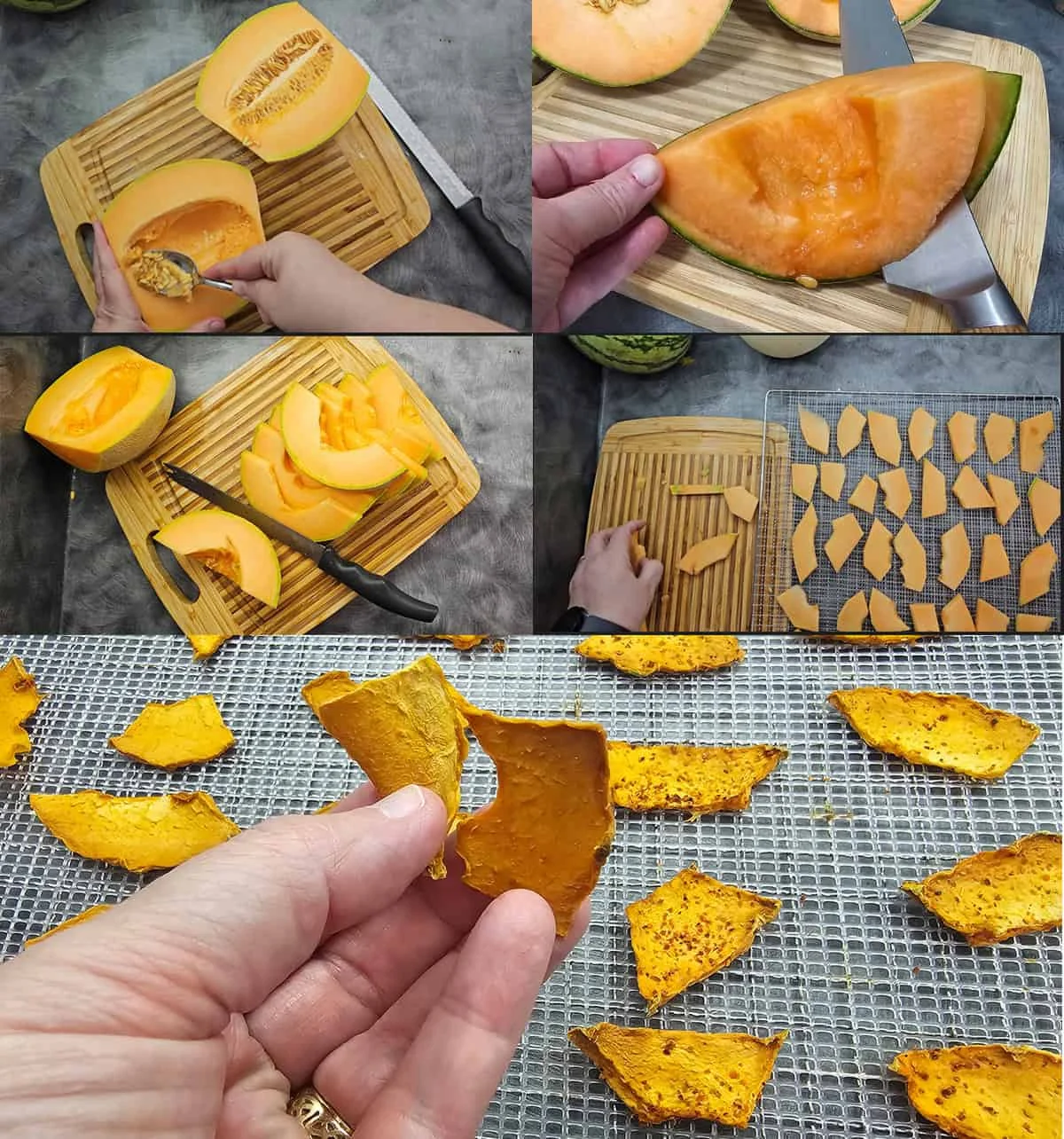
The initial phase of the process requires rigorous hygiene and precise preparation. Because melons grow on the ground, their rinds can harbor pathogens such as Salmonella or Listeria. Food safety experts mandate a thorough scrubbing of the outer rind before any cutting occurs to prevent cross-contamination from the knife to the flesh. Once cleaned, the melon is halved, de-seeded, and the rind is removed.
The thickness of the slices is the most critical variable in determining the drying time and final texture. A uniform thickness of 1/4 inch (approximately 6 millimeters) is recommended. Slices that are too thick may suffer from "case hardening," a phenomenon where the exterior dries into a hard shell, trapping moisture in the center and leading to internal spoilage. Conversely, slices that are too thin may become brittle and lose their characteristic "jerky" texture.
Temperature and Duration
The industry standard for dehydrating fruits like cantaloupe is 135°F (57°C). This specific temperature is high enough to facilitate rapid moisture evaporation but low enough to prevent the "cooking" of the fruit, which would alter its enzymatic structure and flavor profile. Under these conditions, the dehydration process typically requires between 10 and 14 hours. The duration is influenced by several external factors, including the ambient humidity of the processing environment and the specific sugar content of the melon. Higher sugar concentrations generally require longer drying times as the sugars hold onto moisture more tenaciously.
Chronology of the Dehydration Process
The transition from fresh fruit to a shelf-stable product follows a structured timeline that ensures quality control at each stage.
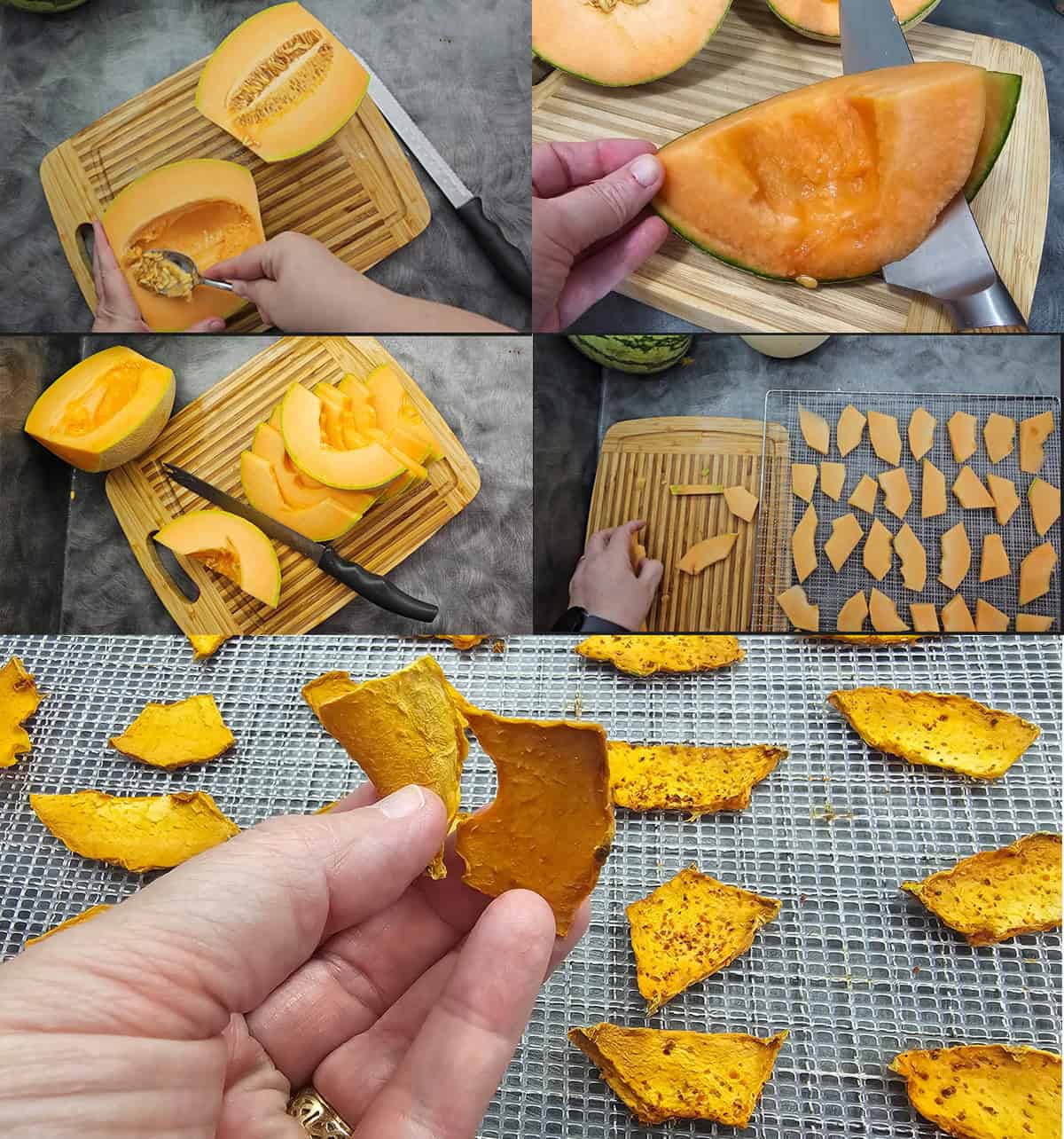
- Selection and Peak Ripeness: The process begins with selecting a melon that is at its peak of sweetness. While dehydration can concentrate the flavors of a mediocre melon, the best results are obtained from fruit that is aromatic and heavy for its size.
- Processing and Loading: After slicing, the pieces are arranged on dehydrator trays. It is essential to ensure that the pieces do not overlap, as this would impede airflow and lead to uneven drying.
- The Active Drying Phase: During the 10-to-14-hour window, the dehydrator’s fan circulates warm air across the trays. This phase requires minimal intervention, though some practitioners rotate trays halfway through the process to account for potential "hot spots" in certain dehydrator models.
- The Pliability Test: Upon reaching the end of the estimated time, the fruit must be tested. Dehydrated cantaloupe should be "leathery" and "tacky" but not wet. When bent, it should not snap (which indicates over-drying) nor should it show signs of internal moisture (which indicates under-drying).
- The Cooling Phase: The fruit must be allowed to cool completely to room temperature before being moved to storage. Placing warm fruit in a sealed container creates condensation, which immediately compromises the shelf life of the product.
Conditioning and Long-Term Storage Standards
A common error in home preservation is the immediate long-term storage of dried goods without a "conditioning" period. Conditioning is a critical quality-assurance step used to ensure that any remaining moisture is distributed evenly among the pieces.
The Conditioning Protocol
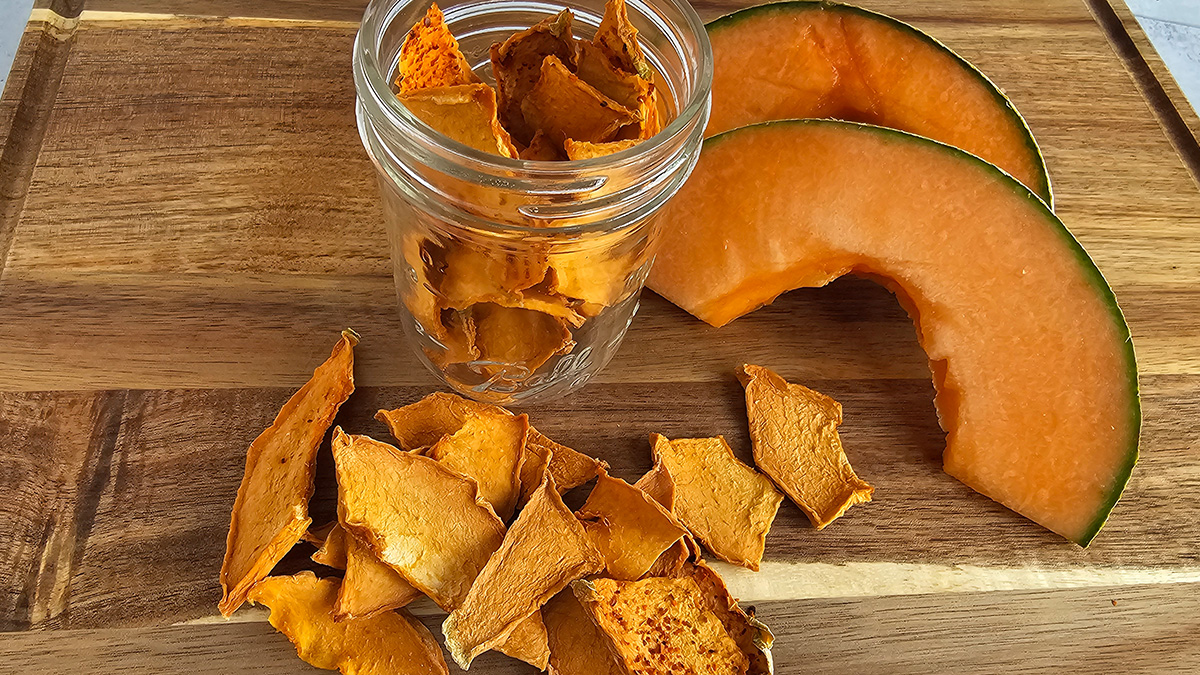
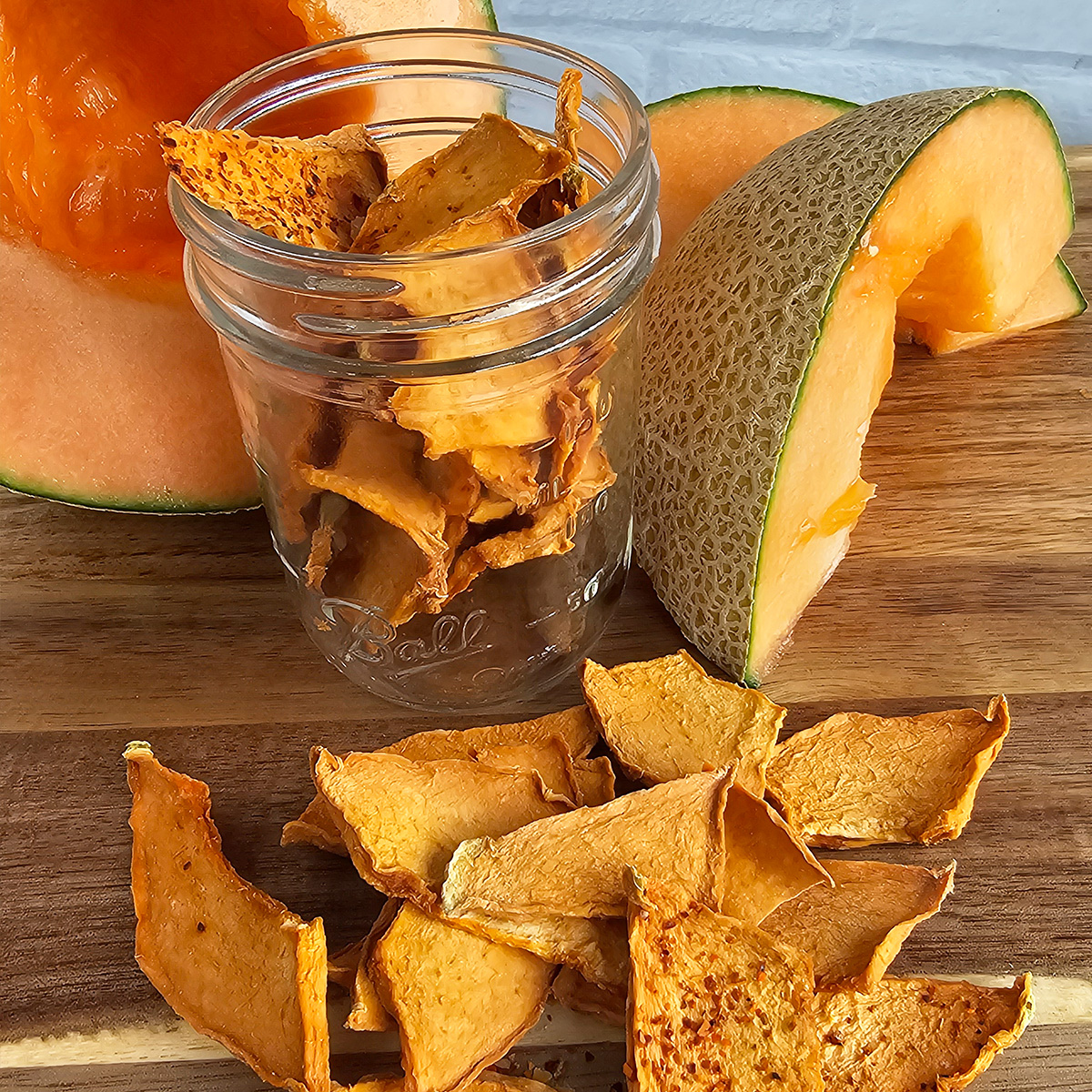
Once the cantaloupe is dried and cooled, it should be placed in a clear, airtight glass jar, filled about two-thirds full. For the following seven days, the jar should be shaken daily. If at any point condensation appears on the glass, the fruit must be returned to the dehydrator for further processing. If the pieces stick together excessively, it is a sign that they are still too moist for long-term stability. After a week with no signs of moisture, the fruit is considered "conditioned" and ready for permanent storage.
Storage Environments
For maximum longevity, dehydrated cantaloupe should be stored in a cool, dark, and dry location. While airtight containers are sufficient, many preservationists utilize vacuum sealing or oxygen absorbers to further extend shelf life. Under optimal conditions—specifically a stable temperature below 70°F—dehydrated cantaloupe can maintain its quality for up to twelve months. It is important to note that the high sugar content of melons makes them hygroscopic, meaning they will readily absorb moisture from the air. Therefore, containers should only be opened briefly to retrieve servings.
Advanced Flavor Profiles and Culinary Applications
While plain dehydrated cantaloupe offers a flavor often compared to "cantaloupe candy," the culinary utility of the product can be expanded through the addition of seasonings before the drying process begins.
- Acidic Enhancements: A light spritz of lemon or lime juice can prevent oxidation and provide a bright contrast to the fruit’s natural sweetness.
- Spiced Variations: The application of ground cinnamon or ginger can create a more complex flavor profile suitable for autumn snacking.
- Savory-Sweet Profiles: The use of Tajin (a blend of chili, lime, and salt) has become a popular choice for creating a "fruit jerky" that appeals to those who prefer savory snacks.
Beyond simple snacking, dehydrated cantaloupe can be reconstituted for use in compotes, chopped and added to granola or oatmeal, or ground into a powder to be used as a natural flavoring agent in baking and smoothies.
Comparative Analysis with Other Melons
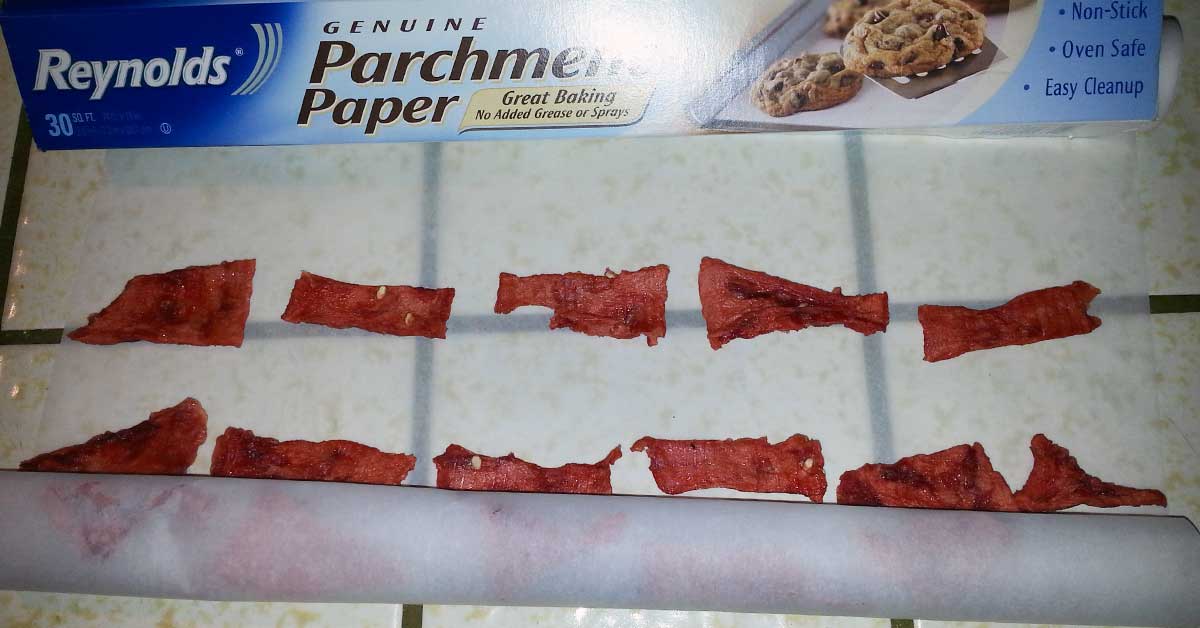
The methodology for cantaloupe can be applied to other members of the melon family, though results vary based on structural differences. Watermelon, for instance, has a much higher water-to-fiber ratio, resulting in a significantly thinner, almost "taffy-like" final product. Honeydew melon follows a nearly identical protocol to cantaloupe but offers a more subtle, floral sweetness. In all cases, the removal of water serves the same dual purpose: the inhibition of microbial growth and the concentration of the fruit’s essence.

Broader Implications for Food Security and Sustainability
The resurgence of interest in dehydration reflects a broader societal shift toward self-reliance and environmental consciousness. By mastering the preservation of cantaloupe, consumers take an active role in the circular food economy. The reduction of food waste at the household level has a cumulative effect on the global supply chain, reducing the demand for out-of-season imports that carry a heavy carbon footprint.
Furthermore, as climate volatility impacts crop yields, the ability to store a year’s worth of fruit nutrition becomes an essential skill for the modern household. Dehydrating cantaloupe is more than a culinary hobby; it is a practical application of food science that enhances nutritional availability, reduces economic waste, and fosters a deeper connection to the seasonal cycles of agriculture. As technology in home dehydrators continues to improve—offering more precise temperature controls and more efficient airflow—the barriers to entry for this form of preservation continue to fall, allowing more individuals to stock their pantries with high-quality, home-preserved goods.