The practice of dehydrating cantaloupe has emerged as a critical technique for home economists and food preservationists seeking to mitigate food waste and ensure a stable supply of nutrient-dense snacks throughout the calendar year. While fresh cantaloupe (Cucumis melo var. cantalupensis) is prized for its high water content and refreshing profile during the summer months, its rapid rate of respiration and susceptibility to microbial spoilage make it a challenging fruit to store long-term in a fresh state. By utilizing controlled thermal dehydration, consumers can transform a highly perishable commodity into a shelf-stable product that retains a significant portion of its original nutritional value while concentrating its natural sugars.
The Socioeconomic Context of Food Preservation
The shift toward home-based food preservation methods, such as dehydration, reflects a broader trend in consumer behavior driven by economic volatility and an increasing awareness of global food waste. According to data from the United Nations Environment Programme (UNEP), approximately one-third of all food produced globally for human consumption is lost or wasted. Melons, specifically cantaloupes, contribute significantly to this figure due to their short window of peak ripeness and the difficulty consumers face in consuming an entire fruit before the onset of senescence.
Darcy Baldwin, a prominent food preservation expert and author of "Dehydrating Basics & Journal," posits that dehydration serves as a primary defense against this waste. By converting excess melon into "cantaloupe jerky," households can effectively extend the utility of a single harvest by up to twelve months. This methodology not only supports household budgetary constraints by reducing the need for out-of-season fruit purchases but also aligns with sustainability goals by reducing the carbon footprint associated with food disposal.
Technical Specifications and Procedural Chronology
The dehydration of cantaloupe is a precise thermodynamic process that requires the removal of moisture to a point where water activity ($a_w$) is insufficient to support the growth of bacteria, yeast, or mold. To achieve a high-quality end product, the process must follow a rigorous chronological sequence.
Phase I: Selection and Preparation
The quality of the dehydrated product is directly proportional to the quality of the raw material. Experts recommend selecting cantaloupes that are at the peak of ripeness, characterized by a sweet aroma and a slight yield at the blossom end. The fruit must be thoroughly washed to remove soil-borne pathogens, such as Listeria monocytogenes or Salmonella, which are known to inhabit the netted rind of the melon.
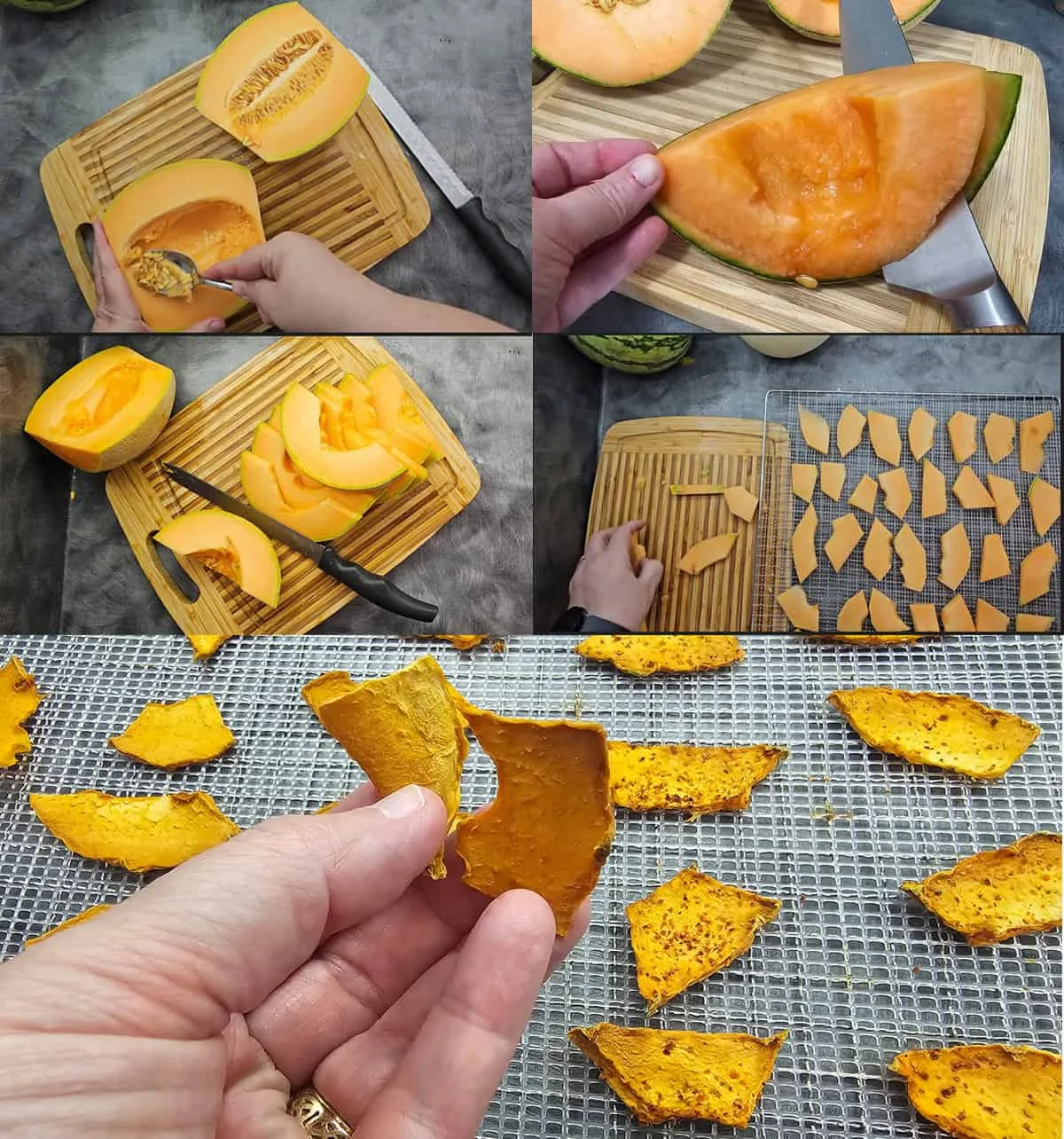
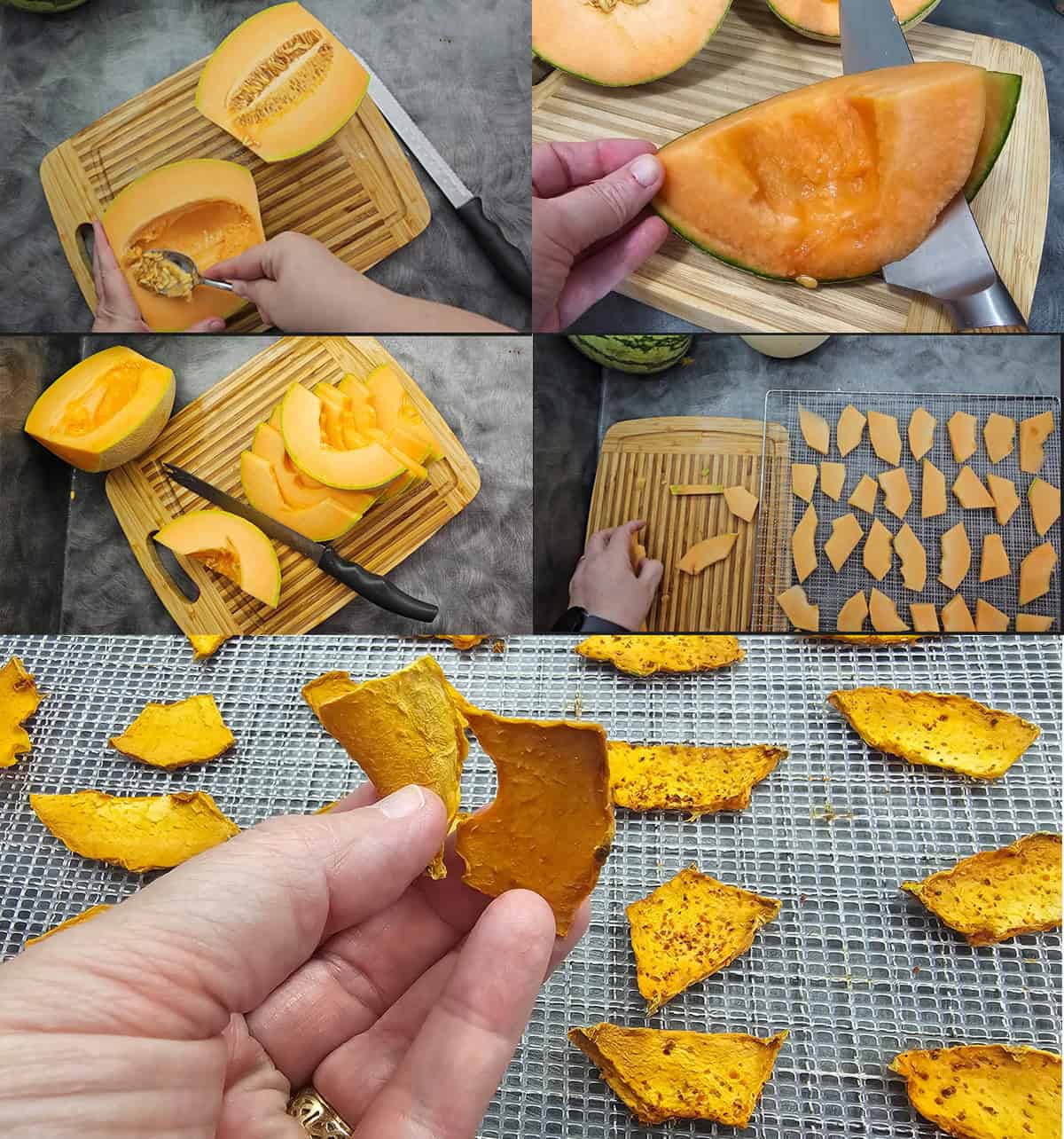
Once cleaned, the melon is halved, de-seeded, and sliced into uniform sections. For optimal results, slices should be approximately 1/4-inch (6 mm) thick. Uniformity in slicing is essential to ensure that all pieces reach the desired level of dryness simultaneously, preventing a scenario where some pieces are over-dried while others remain moist and prone to spoilage.
Phase II: Thermal Processing
The prepared slices are arranged on dehydrator trays with sufficient spacing to allow for laminar airflow. The industry standard for dehydrating high-sugar fruits like cantaloupe is a temperature of 135°F (57°C). This temperature is high enough to facilitate rapid moisture evaporation but low enough to prevent "case hardening"—a condition where the exterior of the fruit dries too quickly, trapping moisture inside and leading to internal rot.
The duration of the process typically ranges from 10 to 14 hours, depending on the ambient humidity and the specific water content of the melon. The objective is to reach a "leathery" or "pliable" texture. Unlike vegetables, which are often dried until brittle, fruits like cantaloupe are considered finished when they are dry to the touch and do not exude moisture when squeezed.
Phase III: Conditioning
A critical yet often overlooked step in the chronology of dehydration is "conditioning." After the fruit is removed from the dehydrator and cooled, it is placed in a clear, airtight container for seven to ten days. During this period, the container is shaken daily. If condensation appears on the walls of the container, it indicates that the fruit still retains excessive moisture and must be returned to the dehydrator. Conditioning ensures that the moisture levels are equalized across all pieces, significantly reducing the risk of mold during long-term storage.
Nutritional Analysis and Concentration Effects
Dehydrating cantaloupe results in a significant concentration of micronutrients per unit of weight. Cantaloupe is an excellent source of Vitamin A (in the form of beta-carotene), Vitamin C, and potassium. While some heat-sensitive vitamins, such as Vitamin C, may see a moderate reduction during the thermal process, the minerals and fat-soluble vitamins remain largely intact.
Data suggests that the caloric and sugar density of dehydrated fruit is approximately four times that of its fresh counterpart by volume. For instance, while one cup of fresh cantaloupe contains roughly 50-60 calories and 12-14 grams of sugar, a quarter-cup of dehydrated cantaloupe provides a similar nutritional profile. This makes dried cantaloupe an efficient energy source for hikers, athletes, and school-aged children, provided it is consumed in moderation.
Safety Protocols and Pathogen Mitigation
In a journalistic assessment of food preservation, safety must remain a paramount concern. The porous and netted surface of the cantaloupe rind has historically been linked to foodborne illness outbreaks. When dehydrating at home, the transition from fresh to dried must involve strict hygienic standards.
The United States Department of Agriculture (USDA) and the National Center for Home Food Preservation (NCHFP) emphasize that dehydration does not kill all bacteria; rather, it renders them dormant. Therefore, starting with a clean product and maintaining a consistent temperature of 135°F is vital. If an oven is used in lieu of a dedicated dehydrator, users must ensure the appliance can maintain a low enough temperature (ideally 170°F or lower with the door slightly ajar) to avoid "cooking" the fruit rather than drying it.
Economic and Market Implications
The market for dried fruit has seen steady growth, with the global dehydrated fruit market projected to expand as consumers move away from processed snacks containing artificial preservatives. Home dehydration allows consumers to bypass the additives—such as sulfur dioxide or added cane sugars—frequently found in commercial dried fruits.
From a cost-benefit perspective, the initial investment in a high-quality dehydrator (ranging from $50 to $500) can be recouped within one to two seasons of preserving "gluts" or bulk-purchased seasonal produce. During the height of summer, cantaloupes are often available at a fraction of their winter price. Preserving these fruits at their price floor allows for significant savings on annual grocery expenditures.
Advanced Methodologies: Seasoning and Culinary Integration
While plain dehydrated cantaloupe is noted for its "honey-like" sweetness, culinary experts often suggest enhancing the flavor profile through various seasonings. This allows the product to serve multiple roles in a pantry, from a sweet snack to a savory salad topper.
- Acidic Enhancements: Spritzing slices with lemon or lime juice prior to dehydration can prevent oxidation and add a bright, citrusy counterpoint to the melon’s natural sugars.
- Spice Infusions: The application of cinnamon or ginger can provide a warming flavor profile suitable for winter consumption.
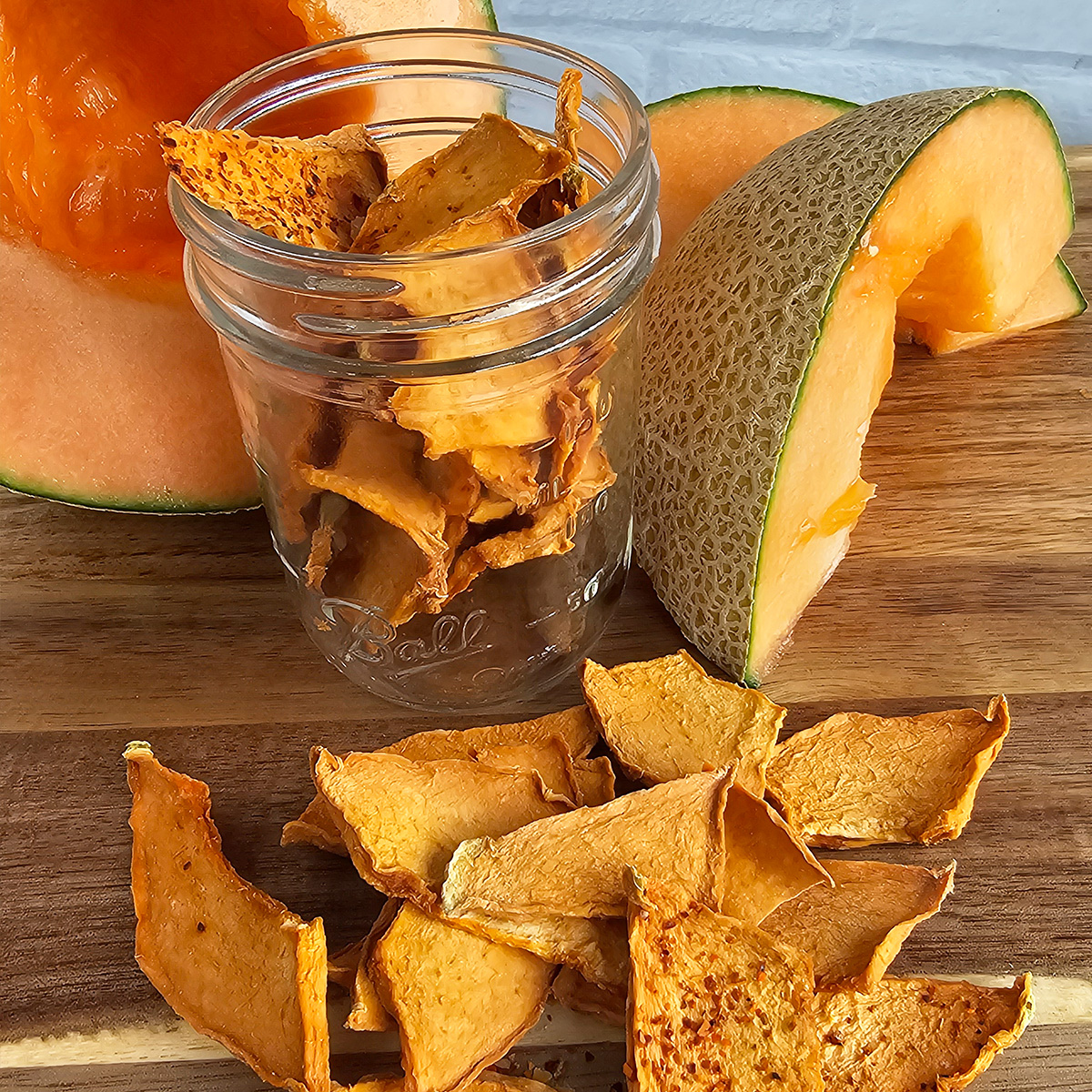
- Heat Profiles: In some regions, the application of chili powder or Tajín seasoning to melon prior to drying has gained popularity, creating a "sweet and spicy" jerky that appeals to adult palates.
Beyond snacking, dehydrated cantaloupe can be rehydrated for use in compotes, finely diced for inclusion in granola or trail mixes, or pulverized into a fruit powder. This powder can then be used as a natural flavoring agent in yogurts, smoothies, or baked goods, demonstrating the versatility of the preserved fruit.
Storage Infrastructure and Longevity
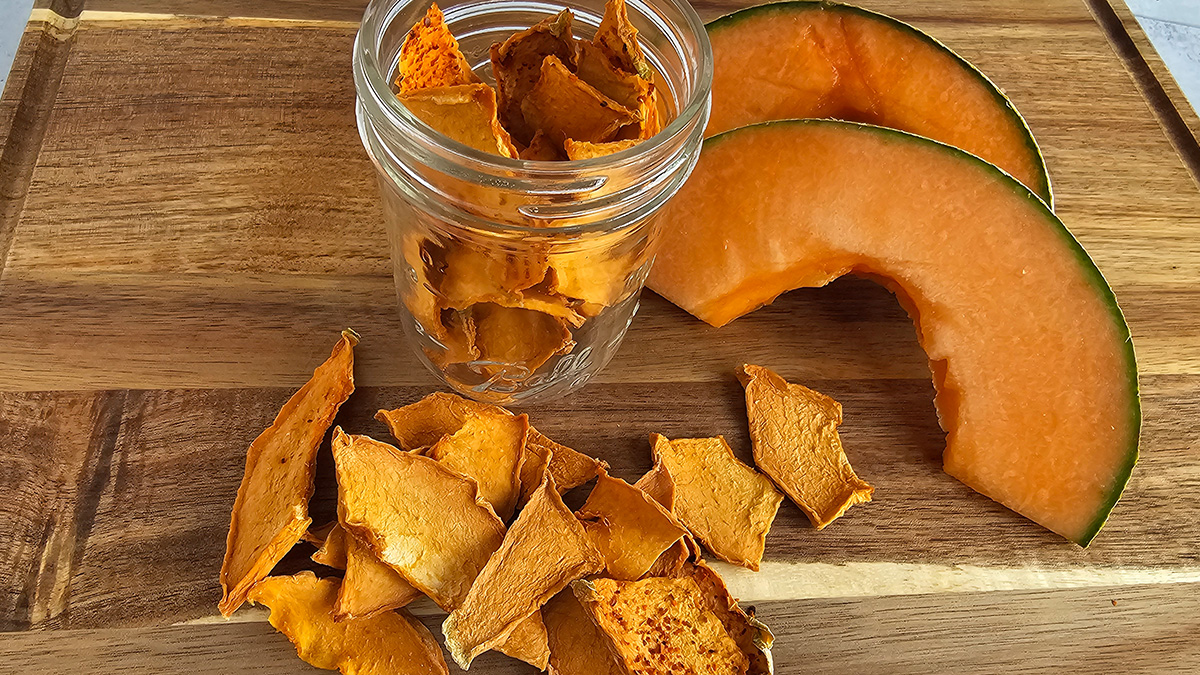
The final stage of the preservation cycle is the establishment of a stable storage environment. Dehydrated cantaloupe is hygroscopic, meaning it readily absorbs moisture from the air. To maintain a shelf life of up to one year, the fruit must be stored in an airtight container, such as a glass Mason jar or a vacuum-sealed bag.
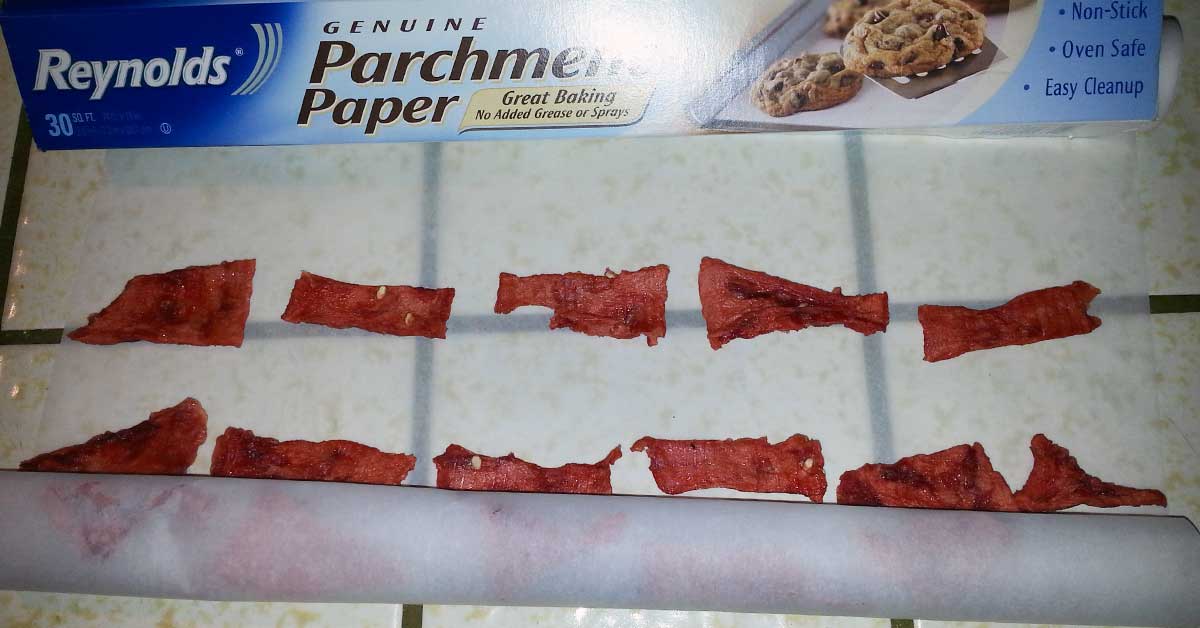
Storage in a cool, dark, and dry location is essential to prevent the degradation of vitamins and the oxidation of natural sugars. For those living in high-humidity environments, the inclusion of a food-grade desiccant (moisture absorber) within the storage vessel is recommended. Some practitioners also suggest wrapping individual pieces in parchment paper to prevent sticking, a technique particularly useful for high-sugar melons like cantaloupe and watermelon.

Broader Impact and Concluding Analysis
The systematization of home food preservation through methods like cantaloupe dehydration represents a vital component of a resilient food system. By empowering individuals to manage their own food supplies, these practices reduce the strain on commercial supply chains and contribute to a more sustainable model of consumption.
In conclusion, the dehydration of cantaloupe is more than a culinary novelty; it is a scientifically grounded method of extending the nutritional and economic value of a seasonal harvest. Through adherence to proper temperature controls, hygiene protocols, and storage techniques, the average consumer can significantly impact their household’s food security and waste profile. As global food systems face increasing pressure from climate change and economic shifts, the revival of these foundational preservation skills remains a critical objective for the modern era.