The recent rediscovery of masa, the properly processed corn flour that forms the cornerstone of much Mexican cuisine, highlights a significant culinary and nutritional practice known as nixtamalization. This ancient Mesoamerican technique, crucial for transforming dried corn into a versatile and highly nutritious staple, is experiencing a resurgence among home cooks and culinary enthusiasts, drawing attention to its historical importance and profound health benefits. From the foundational tortilla to the hearty tamale, masa’s role is indispensable, and its unique preparation process is key to its digestibility and nutritional profile.
The Science of Nixtamalization: A Culinary Alchemy with Deep Roots
Nixtamalization is far more than a simple milling process; it is a sophisticated chemical transformation that has been practiced for millennia. As detailed by agricultural suppliers like Azure Standard, the procedure begins with dried corn kernels being cooked in an alkaline solution, traditionally made with slaked lime (calcium hydroxide) or wood ash. Following this cooking phase, the corn is steeped in the same liquid for an extended period. This crucial step facilitates a series of chemical changes within the corn kernels.
During cooking and soaking, the kernels hydrate significantly, absorbing essential minerals such as calcium and potassium from the alkaline solution. The starches within the corn swell and gelatinize, fundamentally altering the grain’s texture and structure. This process also releases certain nutrients within the corn’s germ, making the cooked corn, now called nixtamal, easier to grind into a fine, cohesive dough. The resulting masa dough exhibits superior pliability and strength, significantly reducing its propensity to tear or break during shaping, a critical quality for crafting thin tortillas.
Crucially, nixtamalization dramatically changes the corn’s protein matrix, rendering proteins and other vital nutrients, most notably niacin (Vitamin B3), more readily assimilated by the human digestive system. Without this process, niacin remains largely bound and unavailable, a condition that historically led to widespread niacin deficiency, known as pellagra, in populations that adopted corn as a staple without traditional nixtamalization methods. The prepared nixtamal is then dried and ground into masa harina, the corn flour used for countless applications. This intricate process underscores nixtamalization as the linchpin for unlocking corn’s full nutritional potential, making its nutrients bio-available and preventing debilitating health issues.
A Millennia-Old Tradition: The Historical Significance of Masa
The practice of nixtamalization is not a modern innovation but a testament to the advanced agricultural and nutritional knowledge of ancient Mesoamerican civilizations. Its origins can be traced back over 3,500 years, with archaeological evidence suggesting its development in regions now encompassing parts of Mexico and Central America. The Olmec, Maya, and Aztec civilizations, among others, recognized corn as a sacred and fundamental crop, and nixtamalization became an integral part of their food systems.
The development of nixtamalization was a direct response to the nutritional challenges posed by corn as a primary dietary staple. While corn is calorie-rich, its unprocessed form presents several nutritional shortcomings, including the bound niacin and a deficiency in certain amino acids. The indigenous peoples of Mesoamerica, through generations of observation and experimentation, discovered that treating corn with an alkaline solution overcame these limitations. This discovery was not merely a culinary technique but a foundational element of their survival and flourishing.
For these ancient societies, masa was more than just food; it was intertwined with their cultural identity, religious beliefs, and daily life. Tortillas, tamales, and other masa-based dishes were central to their diets, rituals, and communal gatherings. The process was meticulously passed down through generations, becoming a cornerstone of their culinary heritage and contributing significantly to the health and vitality of millions.
The arrival of Europeans in the Americas, particularly during the Columbian Exchange, led to the global dissemination of corn. While corn quickly became a widespread crop in Europe, Africa, and Asia due to its adaptability and high yield, the nixtamalization process often did not accompany it. This oversight had devastating consequences. In regions where corn became a dietary staple without nixtamalization, such as parts of the American South, southern Europe, and Africa, populations suffered from pellagra, a severe deficiency disease characterized by dermatitis, diarrhea, dementia, and eventually death. It took centuries for the scientific community to understand the link between unprocessed corn and pellagra, ultimately validating the ancient wisdom of Mesoamerican cultures.
From Ancient Wisdom to Modern Kitchens: The Resurgence of Masa
In contemporary times, there is a growing appreciation for traditional foodways and the health benefits they offer. This shift has fueled a modern resurgence of interest in nixtamalization and the art of making masa from scratch. Consumers are increasingly seeking out authentic, nutrient-dense foods, and the process of preparing masa fits perfectly within this paradigm. Culinary experts, nutritionists, and home cooking enthusiasts are championing nixtamalization not just for its historical significance but also for its superior flavor and nutritional advantages.
Figures like Austin Durant, author and founder of Fermenters Club, exemplify this renewed interest. Durant, known for his expertise in fermented foods, recently "discovered" masa, highlighting a broader trend of individuals delving into traditional food preparation techniques. His journey reflects a wider movement among those dedicated to understanding the provenance of their food and maximizing its nutritional value through time-honored methods. This growing curiosity often leads individuals to explore the tools and ingredients necessary for authentic preparation, such as specialty masa flours and traditional tortilla presses.
The appeal extends beyond health. There’s a profound satisfaction in creating food from foundational ingredients using traditional methods. The distinct flavor of fresh, nixtamalized masa—often described as earthy, slightly sweet, and deeply corn-forward—is unparalleled by commercial, non-nixtamalized corn products. This sensory experience, combined with the knowledge of consuming a nutritionally superior product, drives many to embrace the process.
The Craft of Tortilla Making: Tools and Techniques for Authentic Results
Central to the creation of authentic masa-based dishes, particularly tortillas, is the right equipment. While various methods can be employed, a tortilla press is widely considered an indispensable tool for achieving consistent, evenly flattened tortillas. These presses are designed to distribute pressure uniformly, ensuring that each tortilla is of an ideal thickness and shape.
Traditional tortilla presses are typically crafted from durable materials like solid wood or cast iron. Wood presses are often prized for their heft, stability, and aesthetic appeal, frequently passed down through generations as cherished family heirlooms, much like the one utilized by Austin Durant, inherited from his housemate’s abuela (grandmother). Cast iron presses, while heavier, offer exceptional durability and consistent performance. Both materials are favored for their ability to withstand repeated use and contribute to the authentic feel of the tortilla-making process. In contrast, aluminum presses are generally advised against by enthusiasts and experts, often due to concerns regarding their durability, potential for uneven pressure distribution, or simply a preference for more traditional, robust materials.
The process of turning masa dough into tortillas or chips is relatively straightforward once the dough is prepared. A simple recipe typically involves masa harina, water, and salt. The dough is kneaded to the right consistency, then portioned into small balls. Each ball is placed between sheets of plastic or parchment paper within the tortilla press and flattened with a swift, firm press. The resulting disc is then cooked on a hot griddle or comal until lightly browned and puffed, indicating it is cooked through.
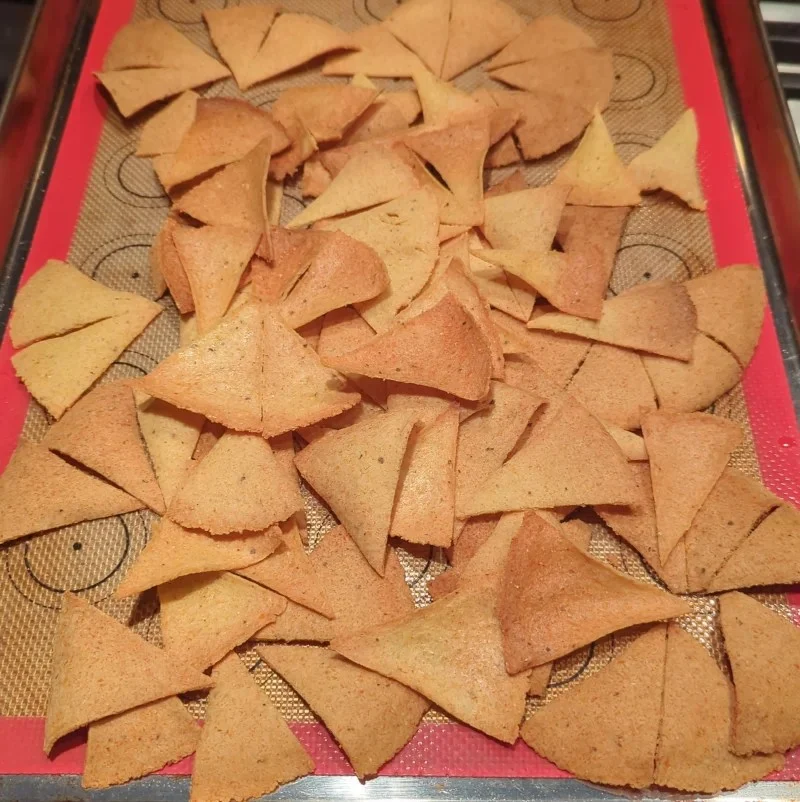
The versatility of masa is one of its most celebrated attributes. Freshly made tortillas can be enjoyed immediately, served warm with various fillings, or they can be transformed into other culinary delights. For instance, slicing fresh tortillas into wedges and frying them results in superior, fresh-corn-tasting tortilla chips. This dual utility means a single batch of masa dough can provide both the foundation for a meal and a satisfying snack, allowing for culinary creativity and minimal waste.
Economic and Cultural Implications: Preserving Heritage and Fostering Local Economies
The revival of nixtamalization and masa production carries significant economic and cultural implications. At a cultural level, it represents a conscious effort to preserve and celebrate indigenous culinary heritage. By engaging with traditional methods, individuals and communities maintain a tangible link to a rich history and ensure that invaluable knowledge is not lost in an increasingly industrialized food system. This preservation extends to the promotion of heirloom corn varieties, which often possess unique flavors and adaptabilities to specific regional climates, further enriching biodiversity.
Economically, the growing demand for authentic masa has spurred the growth of small-scale, artisan producers. Farmers cultivating traditional corn, local mills specializing in nixtamalization, and businesses selling traditional tortilla presses all benefit from this renewed interest. This localized economic activity can provide sustainable livelihoods, particularly in rural communities, and offer consumers high-quality alternatives to mass-produced products. Furthermore, the global culinary landscape benefits from the diversity and authenticity that traditional masa brings, enriching restaurant menus and home kitchens alike.
Austin Durant and the Fermenters Club: A Catalyst for Culinary Exploration
Austin Durant, as the founder of Fermenters Club, embodies the spirit of culinary exploration and the commitment to traditional food preparation. With 16 years of experience in fermenting food, his recent engagement with masa reflects a natural extension of his dedication to processes that enhance nutrition, flavor, and food longevity. His work, including the publication of his book "Fearless Fermenting" in 2024, positions him as a prominent advocate for understanding and practicing age-old food preservation and preparation techniques.
Durant’s personal journey of discovering masa serves as an accessible entry point for others who might be intimidated by traditional cooking methods. By sharing his experiences and the knowledge gleaned from sources like Azure Standard, he contributes to a broader educational effort, demystifying complex processes like nixtamalization and making them approachable for a wider audience. His emphasis on quality tools, such as the well-built, solid wood tortilla press, further underscores the importance of investing in the right equipment for authentic and satisfying culinary outcomes.
The Future of Masa: Sustainability and Global Reach
The future of masa and nixtamalization appears promising, driven by increasing consumer awareness of health, sustainability, and cultural authenticity. As global food systems face challenges related to industrialization and homogenization, traditional practices like nixtamalization offer a compelling alternative. They promote sustainable agriculture through the use of diverse corn varieties, support local economies, and provide superior nutritional outcomes.
Challenges remain, particularly in ensuring widespread access to quality masa harina and educating a broader public about the benefits of nixtamalization. However, the burgeoning interest in traditional fermentation, artisanal food production, and culinary heritage suggests a strong trajectory for masa. Its journey from ancient staple to modern culinary darling underscores a timeless truth: the most profound and beneficial food innovations often stem from the deepest roots of human ingenuity and cultural wisdom. The revival of nixtamalization is not merely a trend; it is a reaffirmation of a process that continues to nourish and connect us to a rich, global culinary past.