

In a pivotal moment for the homebrewing community, the American Homebrewers Association (AHA) has successfully concluded its inaugural board of directors election following its transition to an independently structured organization. The election, held in March, saw four new members elected to a three-year term on the AHA Board of Directors, ushering in a new era for the esteemed association. This landmark event signifies a crucial step in the AHA’s evolution as it operates under both its 501(c)(6) membership organization status and its supporting 501(c)(3) entity, the A-HA Foundation.
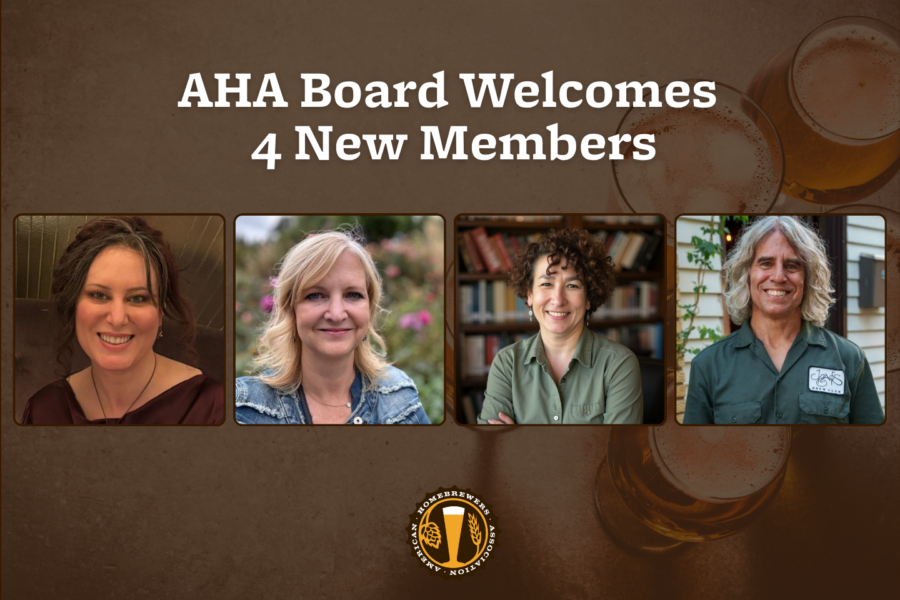
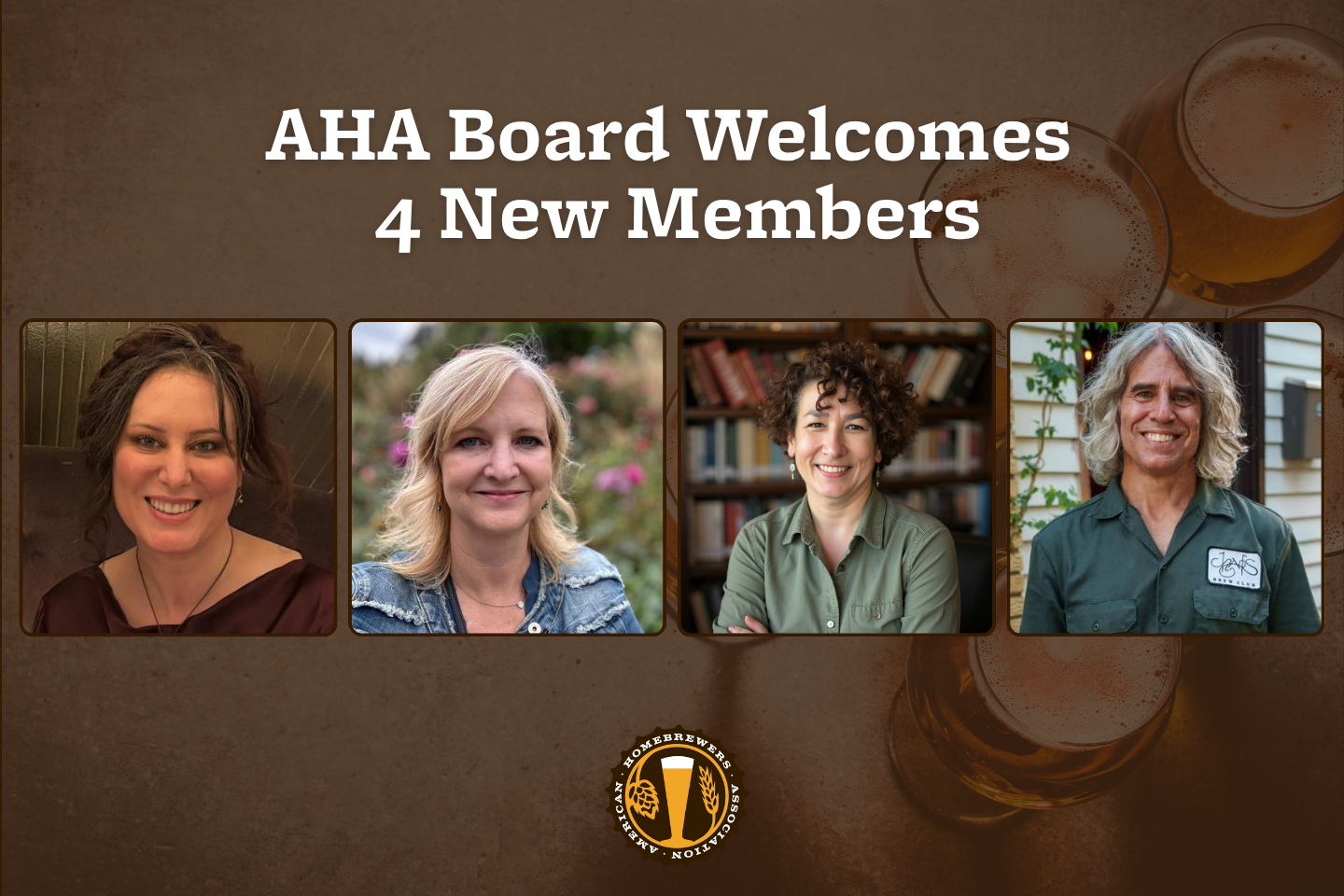
The election process, which began with an initial pool of 28 nominees, culminated in the selection of Jen Blair, Stephanie Butler, Jen Pereira, and Jeff Whelpley. These newly elected directors will join the continuing board members Shawna Cormier, Drew Beechum, and Gregory Roskopf. The quartet of new appointees brings a wealth of experience and diverse perspectives, aiming to further the AHA’s mission of fostering a homebrewer in every neighborhood and a homebrew club in every community. The official seating of the new board is scheduled to take place on June 20, 2026, in Asheville, North Carolina, during the association’s highly anticipated annual gathering, Homebrew Con.
This election represents more than just a change in leadership; it is a testament to the AHA’s commitment to member engagement and democratic governance. The rigorous selection process, involving a large initial pool of candidates, reflects a dedication to identifying individuals with the vision and passion necessary to guide the AHA into its next chapter. The AHA expressed profound gratitude to all candidates who participated in this year’s election, as well as to its dedicated members who exercised their right to vote, underscoring the importance of their active participation in shaping the future of the organization.
A New Chapter of Independence and Growth
The transition to independent operation, encompassing both the 501(c)(6) and 501(c)(3) structures, represents a significant strategic shift for the AHA. As a 501(c)(6) organization, the AHA focuses on the business and trade association aspects of the brewing community, advocating for homebrewing interests and providing resources to its members. Simultaneously, the A-HA Foundation, a 501(c)(3) public charity, is dedicated to charitable and educational endeavors, further broadening the AHA’s impact and reach. This dual structure allows for greater flexibility and expanded opportunities for philanthropic initiatives and community support.
The AHA, founded in 1978, has long been a cornerstone of the homebrewing world, built and directed by its members and guided by core values of community, education, joy, and volunteerism. Its contributions to the hobby are extensive, including the publication of Zymurgy® magazine, the validation of recipes through the National Homebrew Competition, the provision of comprehensive resources via HomebrewersAssociation.org, and the offering of exclusive member benefits and awards. The successful implementation of this new governance model, marked by the recent election, is expected to amplify these efforts and ensure the sustained growth and vitality of the homebrewing movement.
Honoring Departing Leadership and Welcoming New Voices
The AHA also extended its deepest appreciation to its departing board members, Sandy Cockerham and Gary Glass. As founding members of the AHA Board, their unwavering dedication and foundational work have been instrumental in navigating the organization through its transition to independence and in shaping its future trajectory. Their commitment to the advancement of homebrewing and their stewardship of the newly independent AHA have laid a robust groundwork for future endeavors.
Shawna Cormier, AHA Board Chair, eloquently articulated the significance of this period. "The work started by the AHA Founding Board to bring the association to a new future has been impressive to say the least," Cormier stated. "With our new elected board members, we are positioned to help the AHA grow for generations. We look forward to bringing AHA’s vision of ‘a homebrewer in every neighborhood and a homebrew club in every community’ to life." This forward-looking statement highlights the ambitious goals the AHA has set for itself and the pivotal role the newly elected board will play in achieving them.
The Election Process: A Deep Dive
The recent election cycle was characterized by a robust and inclusive nomination and voting process, designed to ensure broad representation and active member participation. The initial pool of 28 nominees represented a diverse cross-section of the homebrewing community, reflecting a wide range of expertise, backgrounds, and perspectives. This extensive list underwent a thorough vetting process to narrow down the field to 10 qualified candidates. The subsequent election, where AHA members cast their votes, ultimately selected four individuals to serve on the board.
The selection of four new members from a pool of ten, who themselves were chosen from an initial 28 nominees, underscores the competitive nature of the election and the high caliber of individuals who stepped forward to serve. This process is designed to identify leaders who not only possess a deep understanding of homebrewing but also demonstrate the strategic thinking and collaborative spirit required to govern a dynamic organization like the AHA. The increased number of candidates and the direct election by members signify a strengthening of democratic principles within the association.
Implications of the New Board Structure
The newly constituted board, with its blend of experienced and fresh leadership, is poised to tackle a range of strategic priorities. These are likely to include expanding educational outreach programs, enhancing resources for homebrew clubs, advocating for favorable legislation, and fostering greater diversity and inclusion within the homebrewing community. The dual 501(c)(6) and 501(c)(3) structure also opens avenues for increased philanthropic activities, such as supporting brewing education initiatives, sponsoring research into fermentation science, or providing aid to homebrewers facing unforeseen challenges.
The AHA’s vision of "a homebrewer in every neighborhood and a homebrew club in every community" is an ambitious one that requires sustained effort and strategic planning. The newly elected board members, alongside their continuing colleagues, will be instrumental in developing and executing the strategies necessary to realize this vision. Their collective experience and dedication are expected to drive innovation, strengthen member engagement, and ensure the continued prosperity of the homebrewing hobby for years to come.
A Look Ahead: Homebrew Con and Future Initiatives
The official seating of the new board at Homebrew Con in Asheville, North Carolina, will mark a formal transition and provide a public platform for the new leadership to connect with the broader homebrewing community. Homebrew Con, the AHA’s premier annual event, attracts thousands of homebrewers, industry professionals, and enthusiasts from around the globe. This setting offers an ideal opportunity for the new board members to introduce themselves, share their initial priorities, and engage in dialogue with the very community they represent.
Beyond the immediate responsibilities of governance, the AHA is likely to focus on several key areas in the coming years. These may include strengthening the digital presence of the organization to provide more accessible resources, expanding partnerships with craft breweries and allied industries, and developing new programs to support aspiring homebrewers and established brewers alike. The continued growth of the homebrewing hobby is inextricably linked to the AHA’s ability to adapt to evolving trends, embrace new technologies, and consistently deliver value to its members.
Understanding the AHA’s Organizational Structure
The dual classification of the American Homebrewers Association as both a 501(c)(6) and a 501(c)(3) organization is a strategic decision that leverages the strengths of each designation. As a 501(c)(6) organization, the AHA operates as a business league, focused on improving business conditions of a trade or profession. In this capacity, it engages in activities that benefit the homebrewing industry as a whole, such as lobbying for favorable regulations, organizing industry events, and providing educational resources directly related to the practice of homebrewing. Membership dues for this arm of the organization are typically tax-deductible as a business expense.
The A-HA Foundation, as a 501(c)(3) organization, operates under a different set of regulations, primarily focused on charitable and educational purposes. This allows the foundation to receive tax-deductible donations from individuals and corporations and to pursue grants for specific projects that benefit the public. These projects could include scholarships for brewing education, grants for research into sustainable brewing practices, or support for community outreach programs that promote responsible alcohol consumption and the appreciation of craft beverages. The synergy between these two entities allows the AHA to address a broader spectrum of needs within the homebrewing community, from professional development and advocacy to charitable giving and public education.
This complex yet effective organizational structure empowers the AHA to pursue its multifaceted mission with greater efficacy. The recent election of a new board of directors, equipped to navigate both aspects of the AHA’s operations, signals a commitment to sustained growth and an enhanced capacity to serve its diverse membership and the wider community. The AHA encourages all interested individuals to learn more about its various committees and the roles of the Board of Directors by visiting its website, and to consider joining the movement by becoming a member.


