
The global herbal medicine market, valued at approximately $201.06 billion in 2023 and projected to reach over $440 billion by 2032, has catalyzed a significant resurgence in domestic apothecary practices and DIY botanical wellness. As consumer interest shifts toward holistic health and sustainable living, the demand for specialized tools, high-quality organic raw materials, and accredited educational resources has reached an all-time high. This comprehensive guide examines the essential components required for the modern herbalist, ranging from foundational apothecary supplies to advanced educational platforms, providing a strategic roadmap for those seeking to support practitioners in this burgeoning field.

The Economic and Cultural Shift Toward Botanical Wellness
The resurgence of herbalism is not merely a passing trend but a structural shift in how a significant portion of the population approaches health and preventative care. According to data from the American Herb Products Association (AHPA), the sale of herbal dietary supplements in the United States has seen consistent year-over-year growth for over a decade. This "Green Wave" is driven by a desire for transparency in ingredients and a return to traditional knowledge systems. Consequently, the gift-giving landscape for herbalists has evolved from simple tea sets to sophisticated equipment and professional-grade botanical ingredients.
Foundational Apothecary: High-Quality Bulk Botanicals
At the core of any herbal practice is the procurement of high-quality, organic plant material. Industry standards emphasize the importance of sourcing from suppliers that prioritize sustainability and rigorous testing for purity. Mountain Rose Herbs has emerged as a benchmark in this sector, offering a diverse catalog of organic herbs that serve as the "building blocks" for medicinal preparations.
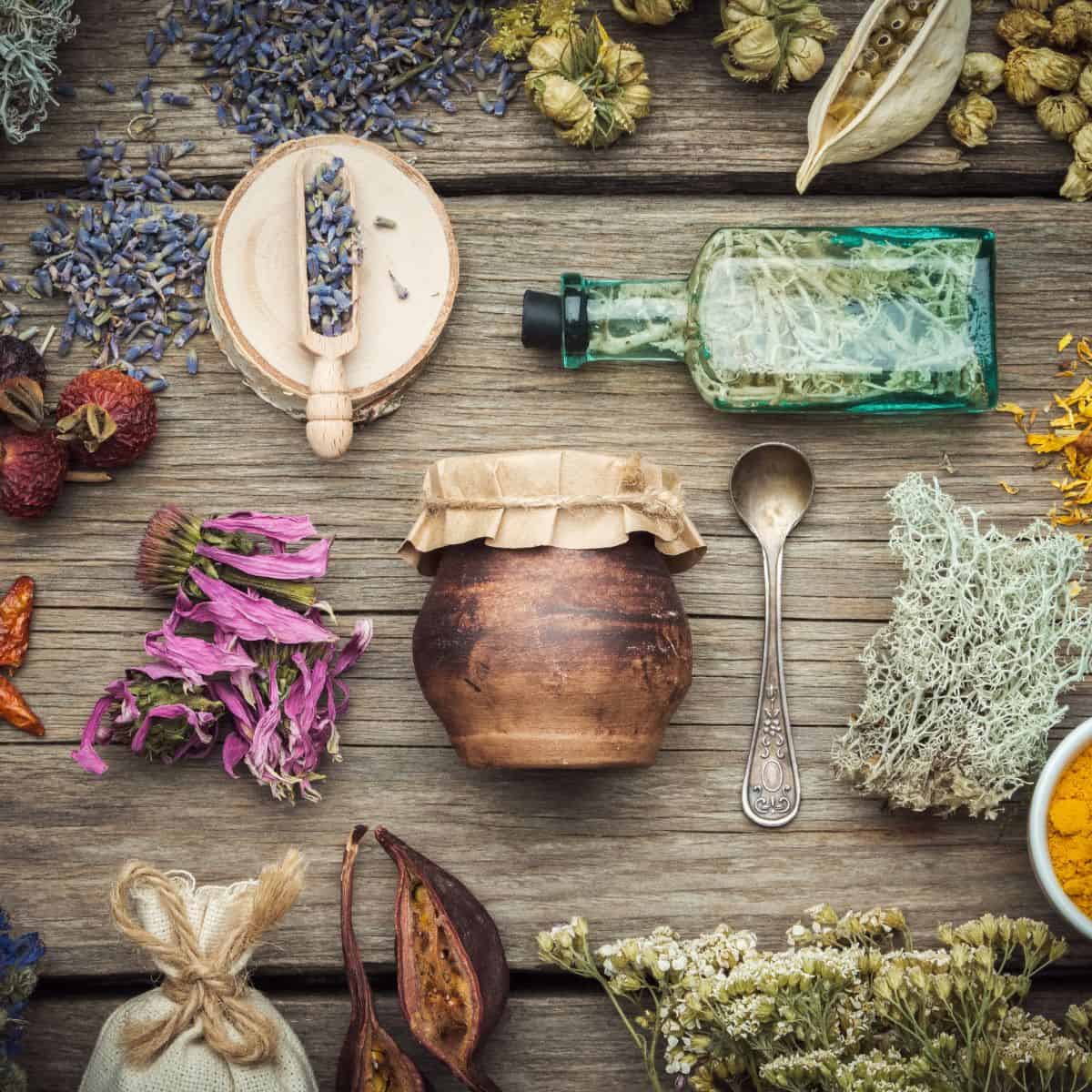
For the aspiring herbalist, certain "foundational" herbs are considered essential due to their versatility and safety profile:
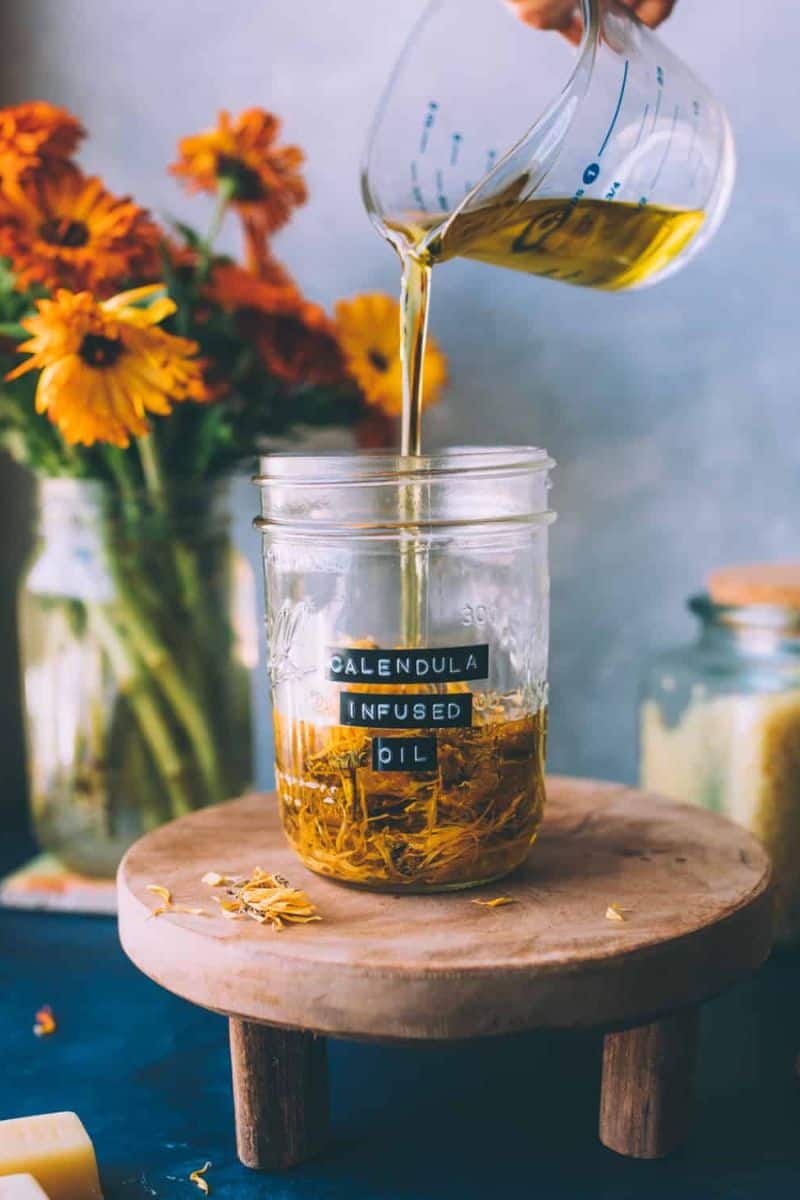
- Calendula (Calendula officinalis): Highly valued in topical applications for its skin-soothing properties.
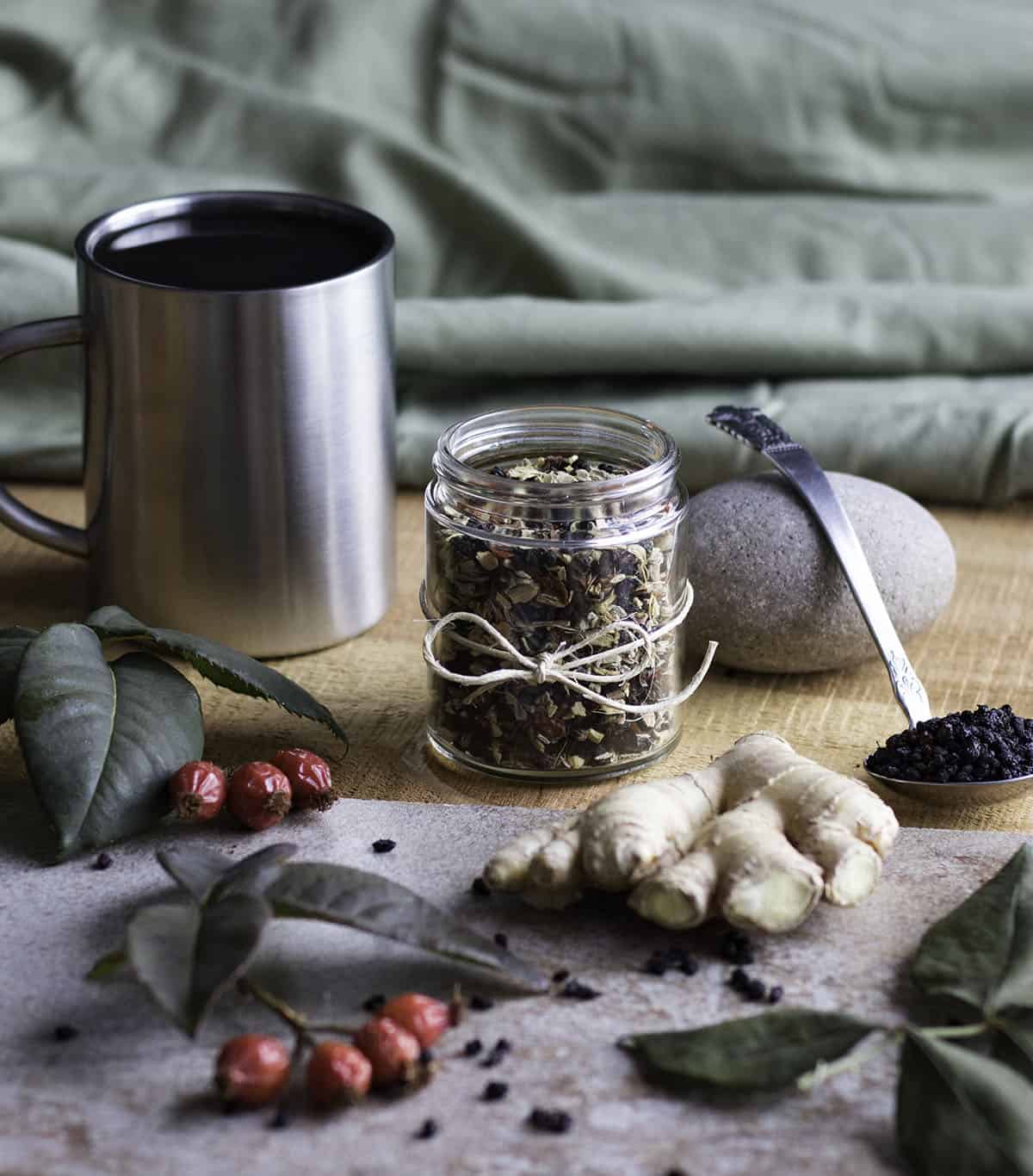
- Elderberry (Sambucus nigra): A staple in winter wellness kits, frequently used in syrups and glycerites.
- Peppermint (Mentha x piperita): A primary herb for digestive support and aromatic infusions.
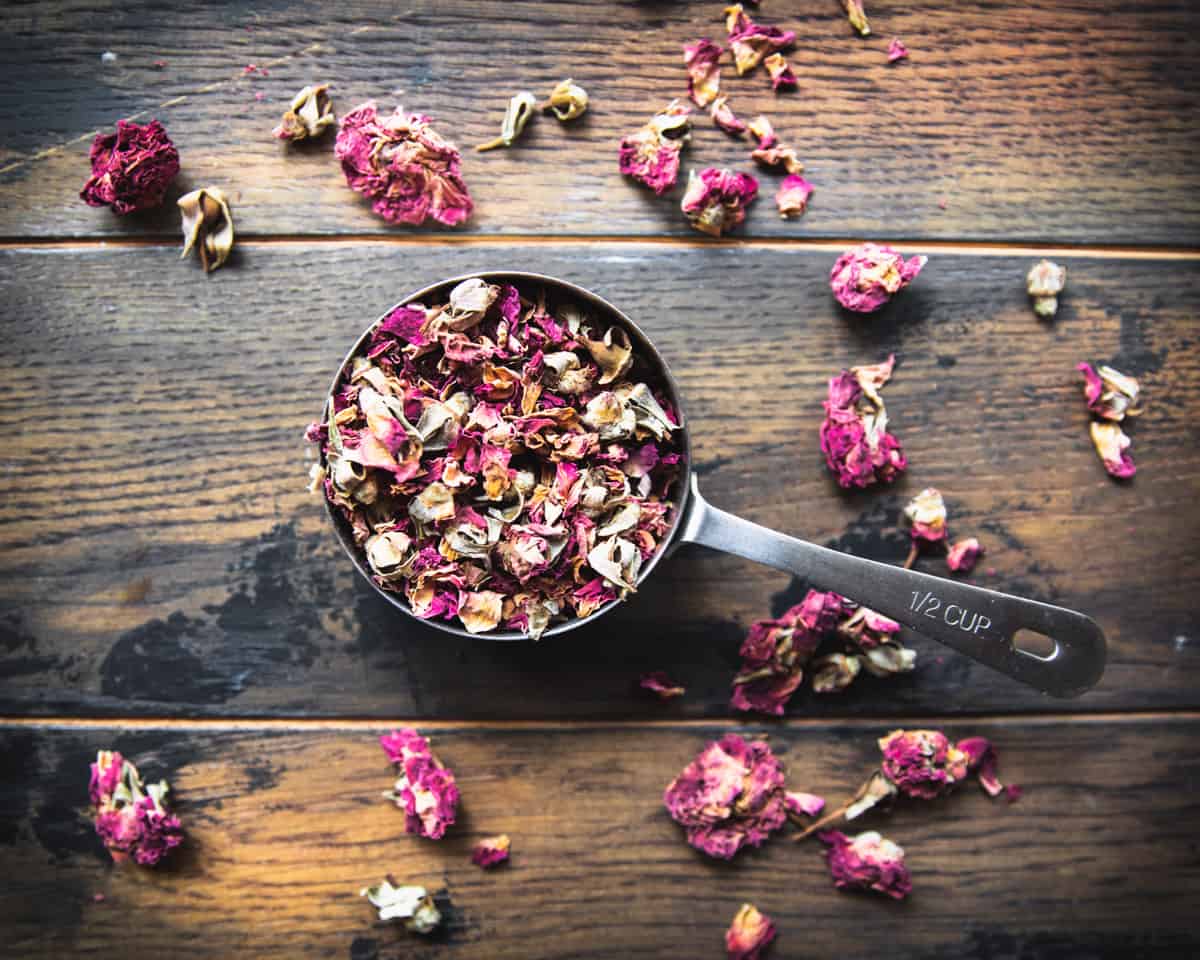
- Rose (Rosa spp.): Utilized for both its aesthetic appeal in skincare and its mild nervine properties in teas.
Market analysis suggests that "kit-based" gifts—where several herbs are grouped by therapeutic intent, such as immune support, digestive health, or stress management—are increasingly popular among consumers who value curated experiences.
Apothecary Infrastructure: Precision Storage and Infusion Tools
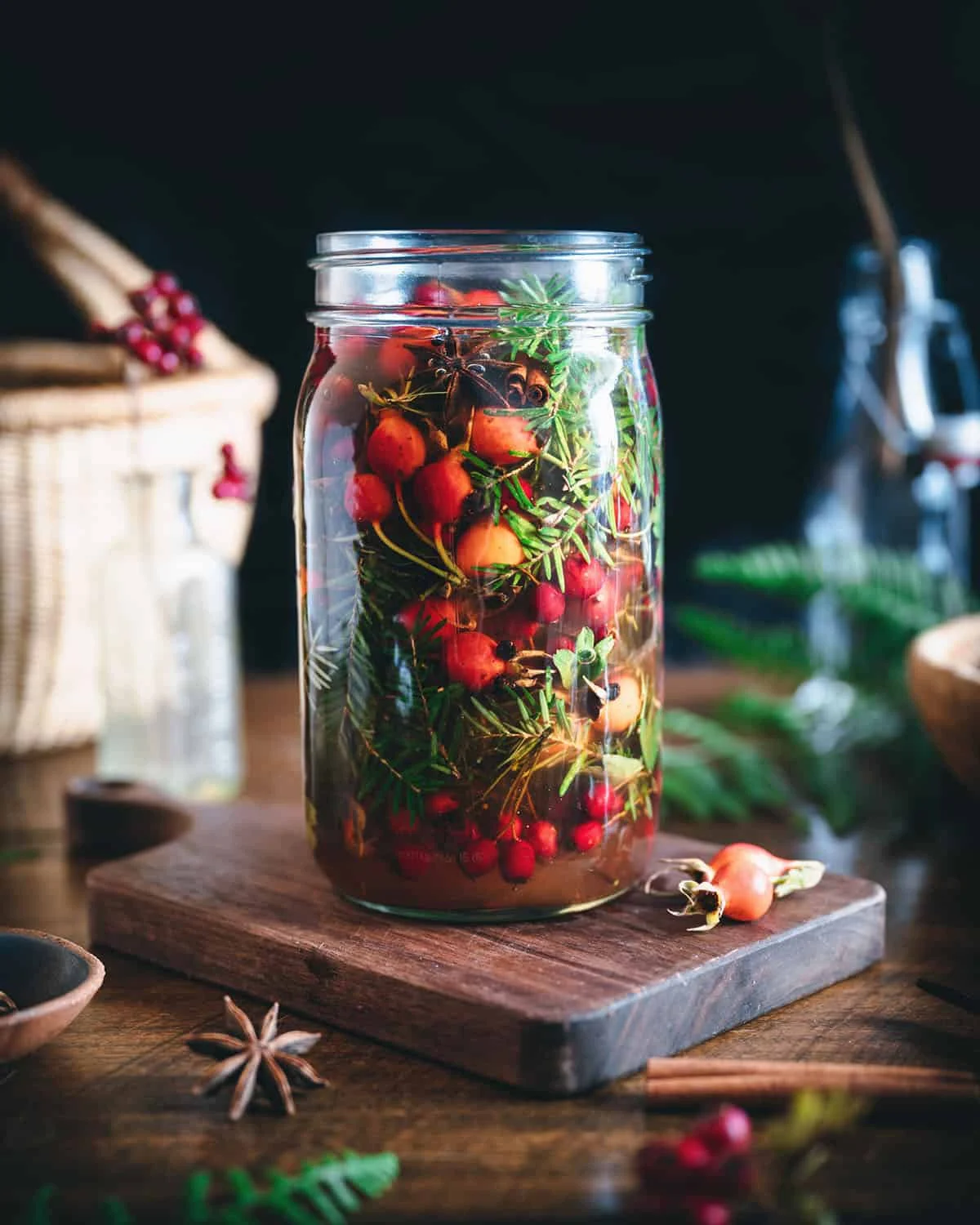
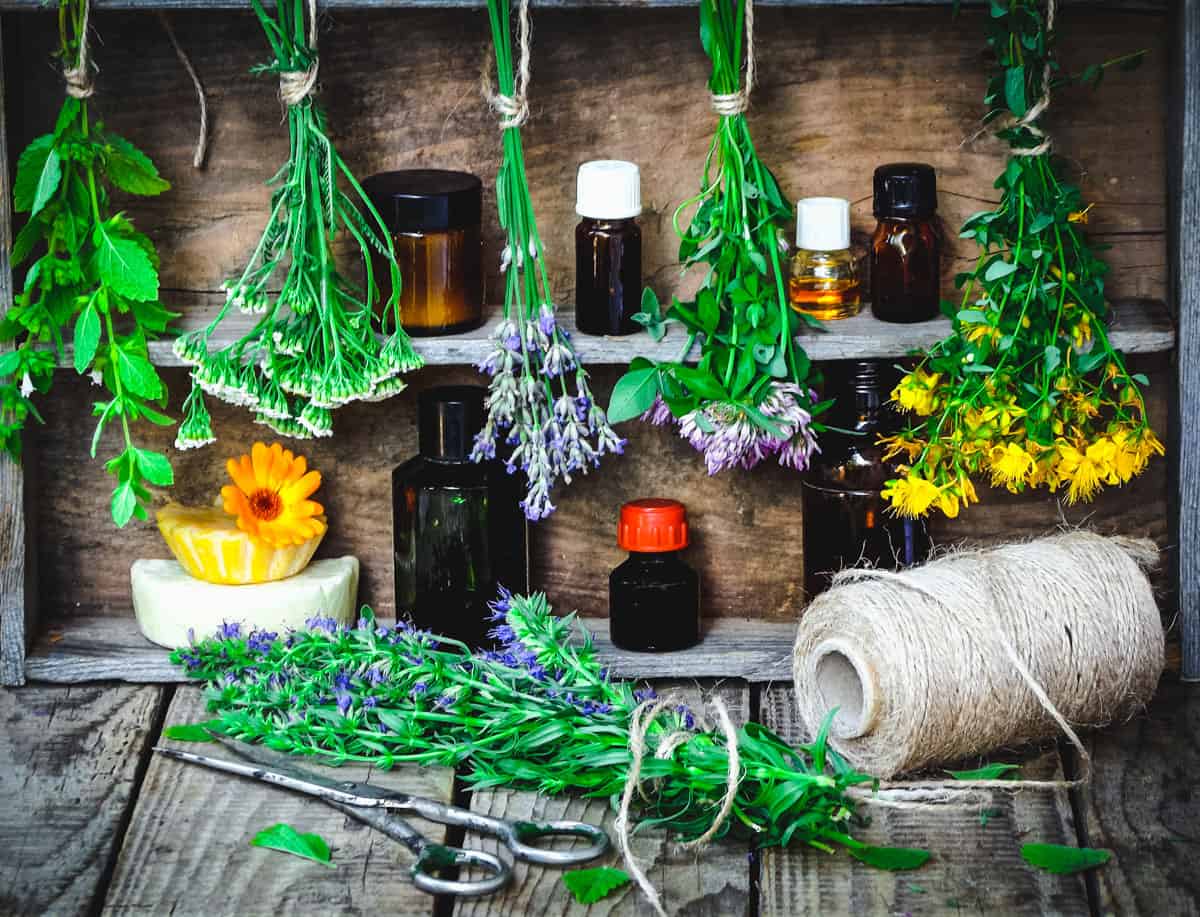
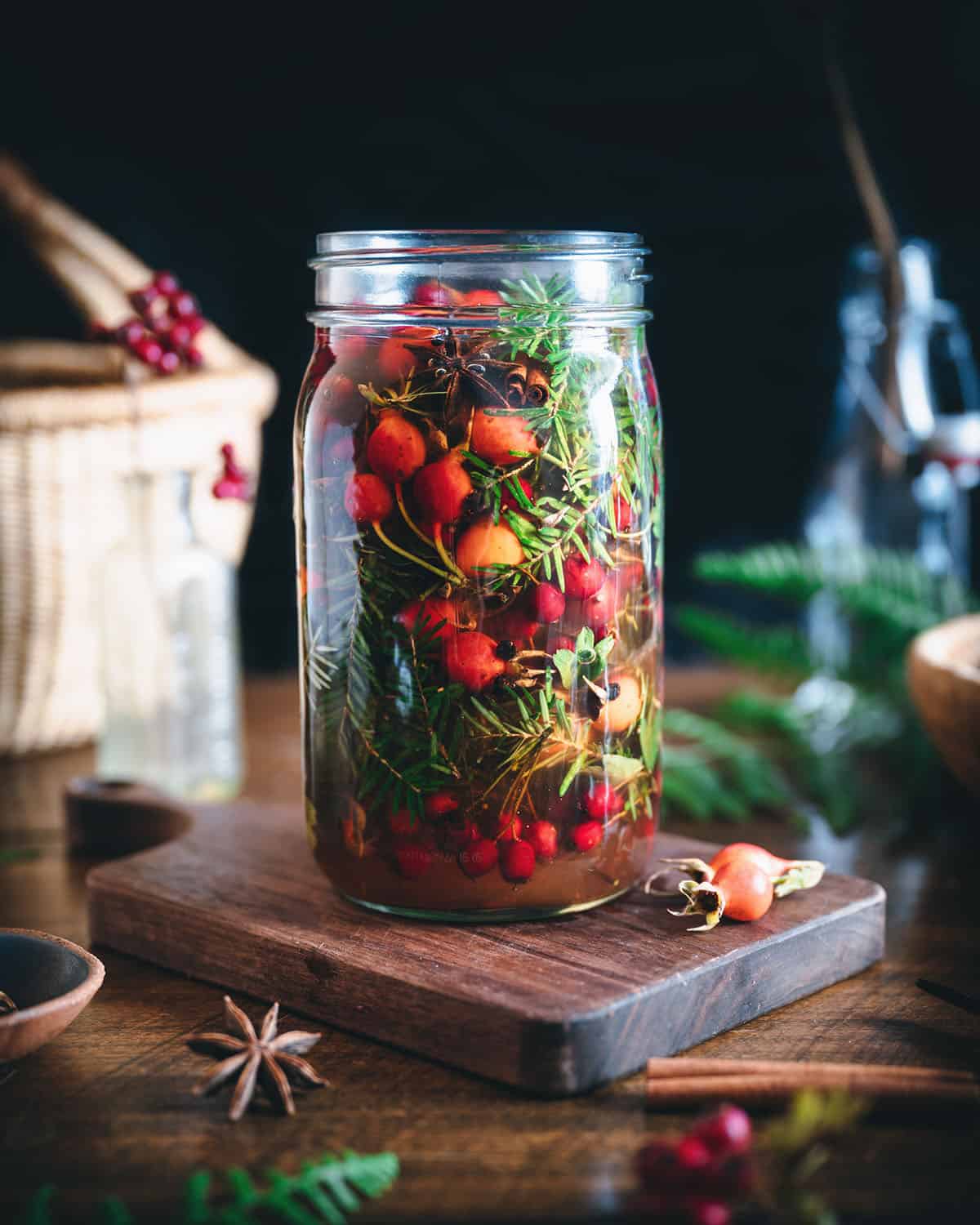
The transition from a casual hobbyist to a serious practitioner requires an investment in "apothecary infrastructure." This includes specialized glassware designed to preserve the volatile oils and active constituents of the plants. The use of Mason jars remains a standard due to their versatility in creating infused oils, tinctures, herbal honeys, and oxymels. However, professional-grade additions such as leak-proof storage lids have become essential for practitioners who require airtight seals during the agitation process of long-term infusions.
Specialized Glassware and Bottling
For the storage of finished products, the industry has seen a move toward "Boston Round" bottles and cobalt or amber glass, which protect light-sensitive compounds from UV degradation. Tincture bottles equipped with graduated droppers allow for precise dosing, a critical requirement for those following specific herbal protocols. Furthermore, the inclusion of stainless steel funnels and fine-mesh strainers in various sizes ensures the integrity of the filtration process, preventing plant debris from contaminating final extracts.
The Ritual of Infusion: Advanced Tea Technology
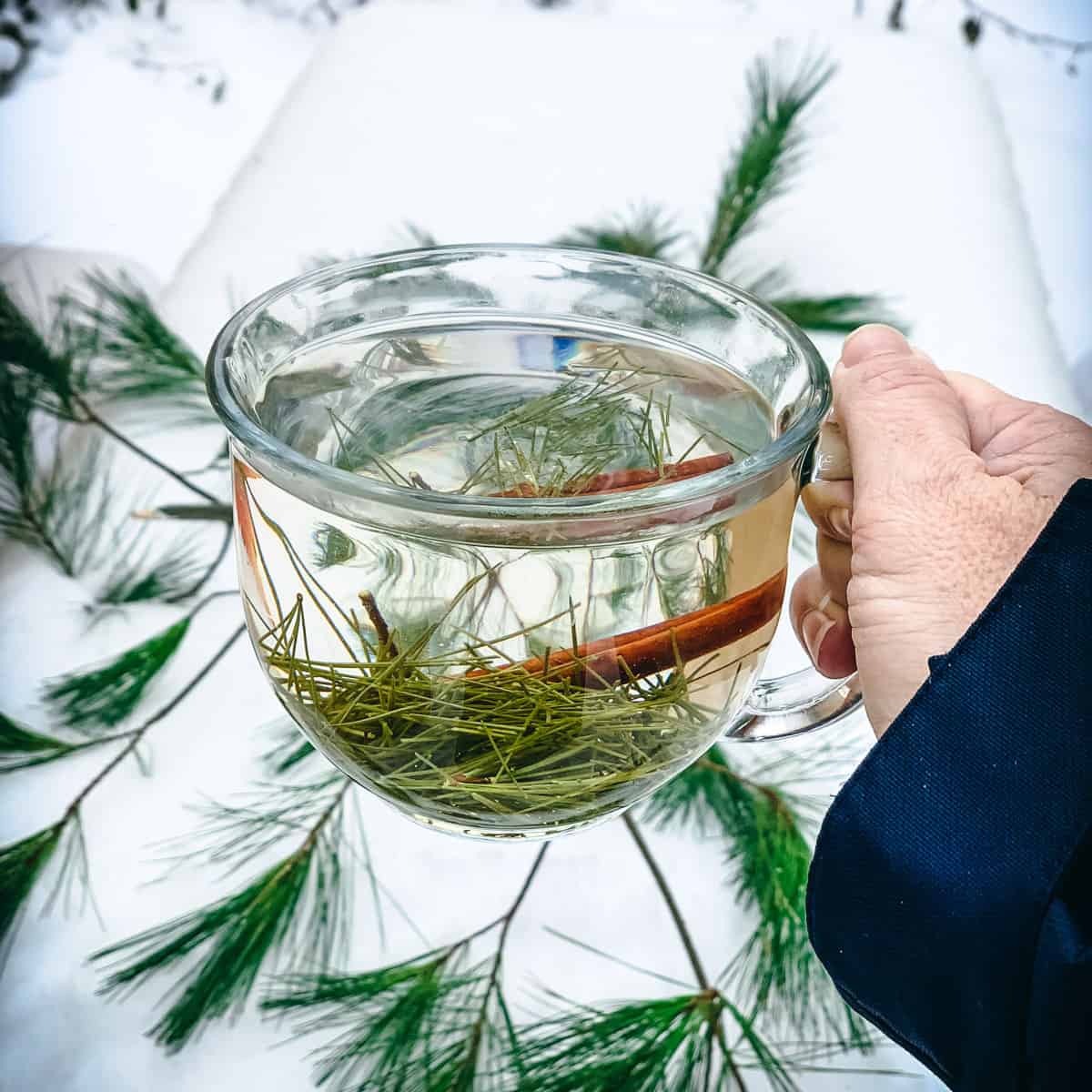
Herbal tea, or tisane, remains the most accessible entry point into herbalism. While the health benefits are a primary driver, the "ritualization" of tea consumption has led to a demand for high-quality brewing equipment. Glass teapots have gained favor for their ability to allow practitioners to observe the "dance of the herbs" during infusion, providing a visual gauge of strength and quality.
Conversely, traditional cast iron teapots are prized for their heat retention properties, which are vital for long-steeped nutritive infusions. For the modern, mobile herbalist, ceramic infuser mugs and reusable cloth tea bags represent a shift toward sustainable, zero-waste consumption. Data from the Tea Association of the U.S.A. indicates that specialty herbal infusions are the fastest-growing segment of the tea market, reflecting a broader consumer preference for functional beverages over caffeinated alternatives.
Raw Materials for Topical Applications: The DIY Skincare Movement
The "Clean Beauty" movement has directly benefited the herbal community, as more individuals seek to manufacture their own salves, balms, and lotions. This requires a subset of raw materials that extend beyond the herbs themselves.
- Carrier Oils and Butters: High-quality jojoba, sweet almond, and apricot kernel oils serve as the lipid base for infusions.
- Beeswax: Essential for providing structure to salves and lip balms. Ethical sourcing of beeswax is a high priority for practitioners concerned with pollinator health.
- Clays and Salts: Used in the formulation of detoxifying masks and therapeutic bath soaks.
Industry experts note that providing these raw materials in "starter sets" allows new herbalists to experiment with formulation without the high overhead of bulk purchasing.
Professionalization Through Education and Literature
As the field of herbalism matures, there is a growing emphasis on accredited learning and evidence-based practice. The Herbal Academy has become a leader in this space, providing structured online curricula that range from introductory courses to professional clinical training.
The gifting of educational resources is considered a high-value investment in a practitioner’s long-term success. Key literary resources that have defined the modern herbalist’s library include:
- Healing Herbal Infusions by Colleen Codekas, which focuses on practical, accessible preparations.
- The Herbal Medicine-Maker’s Guide by James Green, a foundational text on the chemistry and mechanics of extraction.
- Alchemy of Herbs by Rosalee de la Forêt, which bridges the gap between culinary use and therapeutic application.
These texts provide the necessary theoretical framework to ensure that the "tools of the trade" are used safely and effectively.
Broader Impact and Industry Analysis
The proliferation of herbal gift guides and the subsequent increase in home-based apothecaries have significant implications for the broader healthcare and environmental landscapes. Analysts suggest that the democratization of herbal knowledge empowers individuals to manage minor ailments independently, potentially reducing the burden on primary care systems for non-critical issues.
Furthermore, the emphasis on organic and wildcrafted botanicals encourages biodiversity and sustainable land management. When consumers prioritize ethically sourced herbs, they exert market pressure on global supply chains to move away from monoculture and toward regenerative agricultural practices.
From a commercial perspective, the "herbalist lifestyle" has created a secondary market for artisans. Potters, glassblowers, and woodworkers are increasingly tailoring their crafts to meet the aesthetic and functional needs of the botanical community. This synergy between traditional craft and traditional medicine is a hallmark of the current "handmade" economy.

Chronology of the Modern Herbalism Resurgence
- 1990s-2000s: The "Counter-Culture" Era. Herbalism remains largely a niche interest associated with health food cooperatives and rural homesteading.
- 2010-2015: The Digital Information Age. The rise of social media platforms allows for the rapid dissemination of herbal recipes and the growth of online educational institutions like the Herbal Academy.
- 2016-2019: The Wellness Boom. Major retailers begin stocking "adaptogens" and botanical boosters, bringing herbal terminology into the mainstream.
- 2020-Present: The Post-Pandemic Shift. A heightened focus on self-reliance and immune health leads to a surge in domestic gardening and home apothecary setups.
In conclusion, the modern herbalist requires a sophisticated blend of high-quality raw materials, precision equipment, and rigorous education. Supporting this practice through thoughtful gift-giving not only aids the individual practitioner but also contributes to a larger cultural movement toward sustainability, wellness, and the preservation of botanical knowledge. As the market continues to expand, the distinction between "hobbyist" and "practitioner" will likely continue to blur, fueled by the professional-grade tools and resources now available to the general public.


