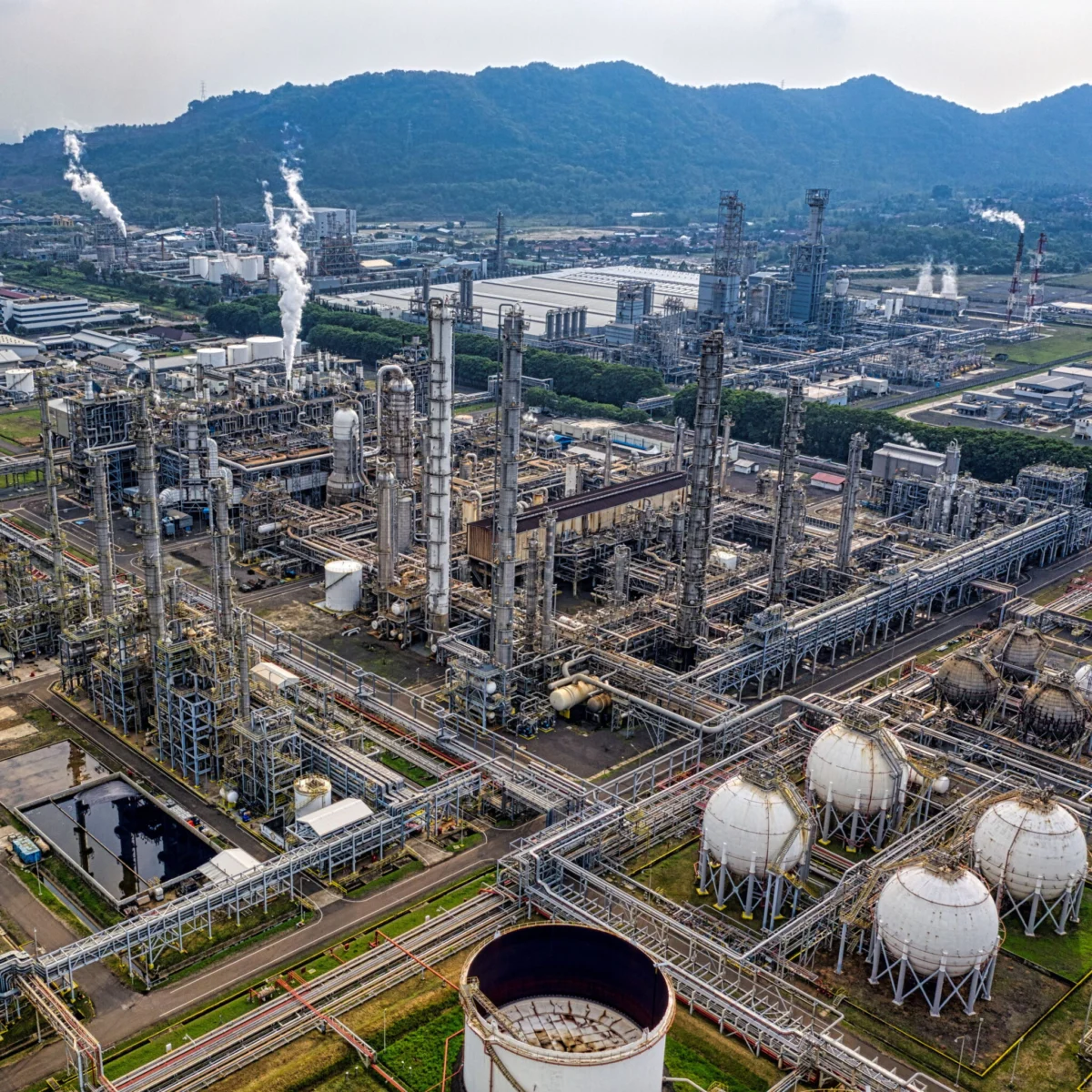
The landscape along the 85-mile corridor of the Mississippi River between New Orleans and Baton Rouge represents one of the most stark intersections of industrial productivity and public health crises in the United States. Known colloquially as Cancer Alley, this region is home to approximately 200 fossil fuel and petrochemical facilities, creating a dense industrial infrastructure that exists in immediate proximity to residential neighborhoods. Data from the Environmental Protection Agency (EPA) and various human rights organizations indicate that residents in these communities face a health risk from hazardous air pollutants that is more than ten times higher than the average for the rest of Louisiana. These communities are predominantly composed of Black, Indigenous, and People of Color (BIPOC) and low-income households, sparking a protracted national debate regarding environmental racism and the concept of "sacrifice zones" in the pursuit of industrial growth.
Understanding the Petrochemical Infrastructure
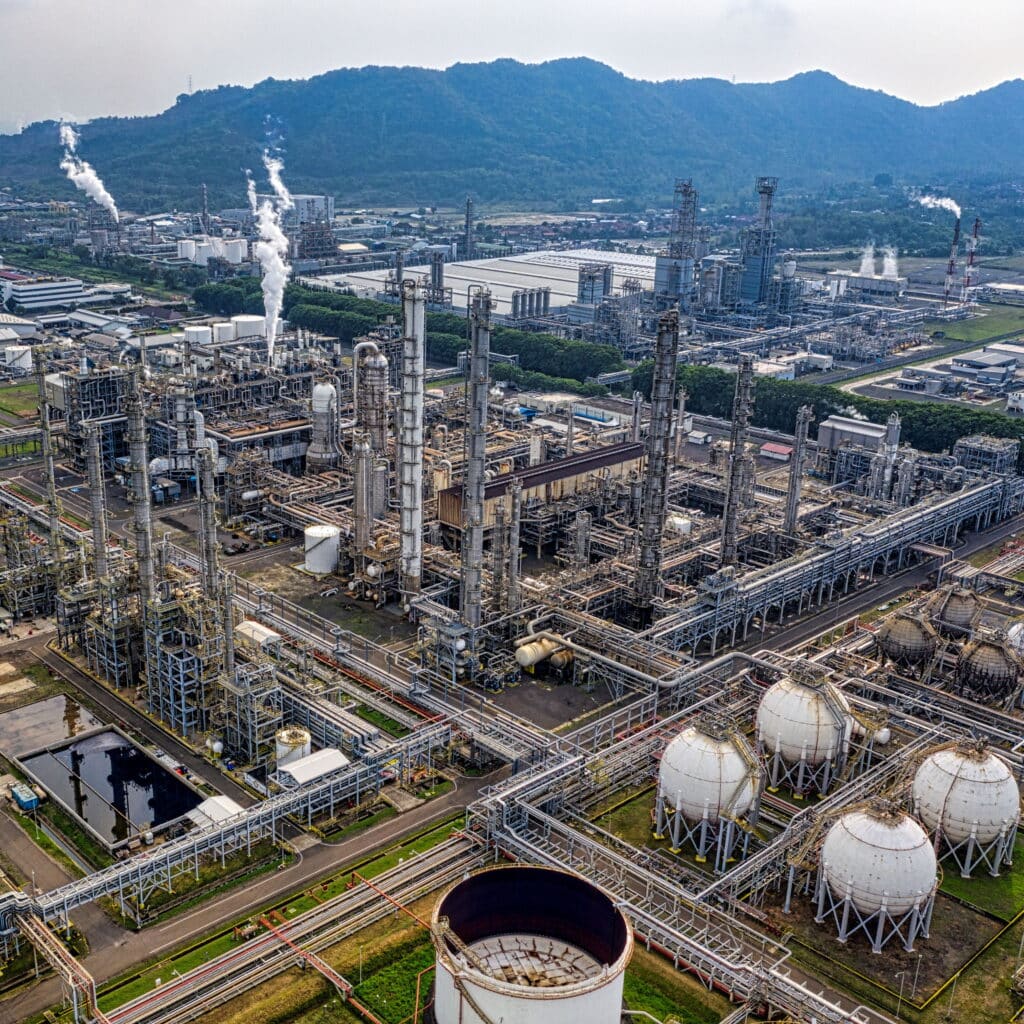
Petrochemical plants are industrial facilities designed to convert raw hydrocarbons—primarily crude oil and natural gas liquids—into the building blocks of modern commerce. These facilities are the foundation of the global supply chain for plastics, synthetic fibers, industrial chemicals, fertilizers, and pharmaceuticals. Most petrochemical operations are strategically located near petroleum refineries to minimize transportation costs of raw materials, often forming massive integrated complexes that dominate the local geography.
The chemical transformation process begins with "feedstocks," such as ethane or naphtha. These materials undergo "cracking," a process involving extreme heat and pressure to break down large molecules into simpler ones. For example, ethylene, the world’s most widely produced petrochemical, is created in olefin plants using steam crackers. This process is among the most energy-intensive in the entire manufacturing sector. Ethylene serves as the primary precursor for polyethylene, categorized by the resin identification codes #2 (High-Density Polyethylene or HDPE, used in milk jugs and detergent bottles) and #4 (Low-Density Polyethylene or LDPE, used in plastic films and grocery bags).
Beyond olefins, the industry relies on aromatic plants to produce benzene, toluene, and xylene. These chemicals are essential for the production of dyes, synthetic detergents, and high-performance plastics. Furthermore, syngas plants utilize natural gas or coal to generate synthetic gas, which is then processed into ammonia for agriculture or methanol for industrial solvents. While these products are ubiquitous in daily life, the environmental footprint of their production is substantial, involving high carbon emissions and the release of complex chemical byproducts.
A Chronology of Industrialization and Advocacy
The development of Cancer Alley is rooted in the mid-20th-century industrial boom, as corporations sought the logistical advantages of the Mississippi River’s deep-water ports and the state’s lenient regulatory environment. Many of these plants were constructed on the sites of former plantations, effectively trapping the descendants of enslaved people between the river and massive industrial fences.
Over the last several decades, the tension between industrial expansion and community health has reached a boiling point:
- 1980s–1990s: Local residents began noticing disproportionate rates of rare cancers and respiratory issues, leading to the coining of the term "Cancer Alley." Initial community organizing focused on individual plant permits.
- 2018–2019: Sharon Lavigne, a retired educator, founded Rise St. James to oppose the construction of a $9.4 billion plastics complex by Formosa Plastics. This marked a turning point in organized resistance, elevating the local struggle to a national environmental justice issue.
- 2021–2022: The Biden administration’s EPA signaled a renewed focus on the region. EPA Administrator Michael Regan visited Cancer Alley as part of the "Journey to Justice" tour, promising increased monitoring and enforcement of air quality standards.
- 2023–2024: The EPA launched a civil rights investigation under Title VI of the Civil Rights Act to determine if Louisiana state agencies had discriminated against Black residents by allowing industrial over-saturation. However, this investigation was abruptly dropped following legal challenges from the state government.
- 2025: Recent shifts in federal policy have seen the dismissal of key lawsuits aimed at curbing emissions in the corridor. Concurrently, neighboring states like Texas have cleared the way for significant petrochemical expansions, signaling a renewed era of industrial growth despite warnings from health experts.
Public Health Data and Toxicological Impact
The health implications of living near petrochemical hubs are documented in peer-reviewed literature, including the New England Journal of Medicine. The production process inevitably releases volatile organic compounds (VOCs) and other hazardous air pollutants (HAPs). Among the most concerning is ethylene oxide, a potent carcinogen used to sterilize medical equipment and manufacture antifreeze. In certain census tracts of Cancer Alley, the lifetime cancer risk from air toxics is among the highest in the nation.
Water quality is equally compromised. A report by the Environmental Integrity Project (EIP) revealed that nearly 70 petrochemical companies across the United States discharge millions of pounds of nitrogen, phosphorus, and other toxins into waterways annually. In many cases, these discharges are poorly regulated or fall under outdated "grandfathered" permits. In Cancer Alley, testing has revealed the presence of per- and polyfluoroalkyl substances (PFAS), often called "forever chemicals," at concentrations hundreds of times higher than the health advisory levels set by federal agencies.
The human toll is evidenced by qualitative data. Human Rights Watch conducted over 70 interviews with residents, uncovering a pattern of reproductive health crises. Women in the region reported high rates of miscarriages, stillbirths, and neonatal health complications. Robert Taylor, founder of Concerned Citizens of St. John, has frequently testified that his community feels "abandoned" by the regulatory agencies meant to protect them, describing the area as a designated sacrifice zone where corporate profits are prioritized over human longevity.
Environmental Degradation and Climate Implications
The petrochemical industry is inextricably linked to the broader climate crisis. As the global economy moves toward renewable energy for transportation and electricity, the fossil fuel industry has pivoted toward petrochemicals as its primary growth engine. According to the International Energy Agency (IEA), petrochemicals are set to account for more than a third of the growth in oil demand through 2030.
The environmental impact is three-fold:
- Energy Consumption: The refining and cracking processes require massive amounts of energy, usually derived from burning fossil fuels on-site, which releases significant greenhouse gases.
- Pollution Cycle: Beyond air and water, the soil in industrial corridors often contains heavy metals and chemical residues that persist for decades, affecting local agriculture and biodiversity.
- Plastic Proliferation: The end products—primarily single-use plastics—contribute to the global waste crisis, as only a small fraction of these materials are successfully recycled. The remainder ends up in landfills or oceans, where they break down into microplastics, entering the food chain.
Official Responses and Economic Justifications
The industry and its proponents often emphasize the economic benefits of petrochemical clusters. In Louisiana and Texas, the petrochemical sector is a major employer and a significant contributor to state tax revenues. Industry trade groups, such as the American Chemistry Council, argue that petrochemical products are essential for modern life, including the production of components for wind turbines, solar panels, and electric vehicle batteries. They contend that modern facilities adhere to stringent safety standards and that industrial emissions have decreased significantly since the passage of the Clean Air Act.
However, state officials have often been accused of prioritizing industrial recruitment over environmental enforcement. Recent legal maneuvers by the State of Louisiana to block EPA civil rights investigations reflect a broader pushback against federal oversight. Pro-industry lawmakers argue that excessive regulation threatens the economic viability of the region and risks driving manufacturing jobs overseas to countries with even fewer environmental protections.
Broader Impact and the Future of Environmental Justice
The situation in Cancer Alley serves as a global case study for the challenges of environmental justice in the 21st century. The intersection of public health, racial equity, and economic policy creates a complex landscape where change is slow and hard-won. The "sacrifice zone" narrative is not unique to Louisiana; similar industrial corridors exist in the "Permian Basin" of Texas, the "Chemical Coast" of New Jersey, and various industrial hubs across the Global South.
As international pressure mounts to address plastic pollution and carbon emissions, the petrochemical industry faces an uncertain regulatory future. Global treaties currently under negotiation aim to limit plastic production, which could fundamentally alter the economic landscape for plants in Cancer Alley. For the residents of St. James and St. John the Baptist Parishes, however, the focus remains on the immediate need for clean air, safe water, and the recognition of their basic human rights.
The struggle for change continues through grassroots activism and legal challenges. Organizations like Rise St. James advocate for a moratorium on new industrial permits and the implementation of more robust air monitoring systems. They argue that a transition to a "green economy" must include restorative justice for the communities that have borne the brunt of the industrial age. As the global community watches, the fate of Cancer Alley will likely define the limits of corporate accountability and the strength of environmental protections in a rapidly changing world.