
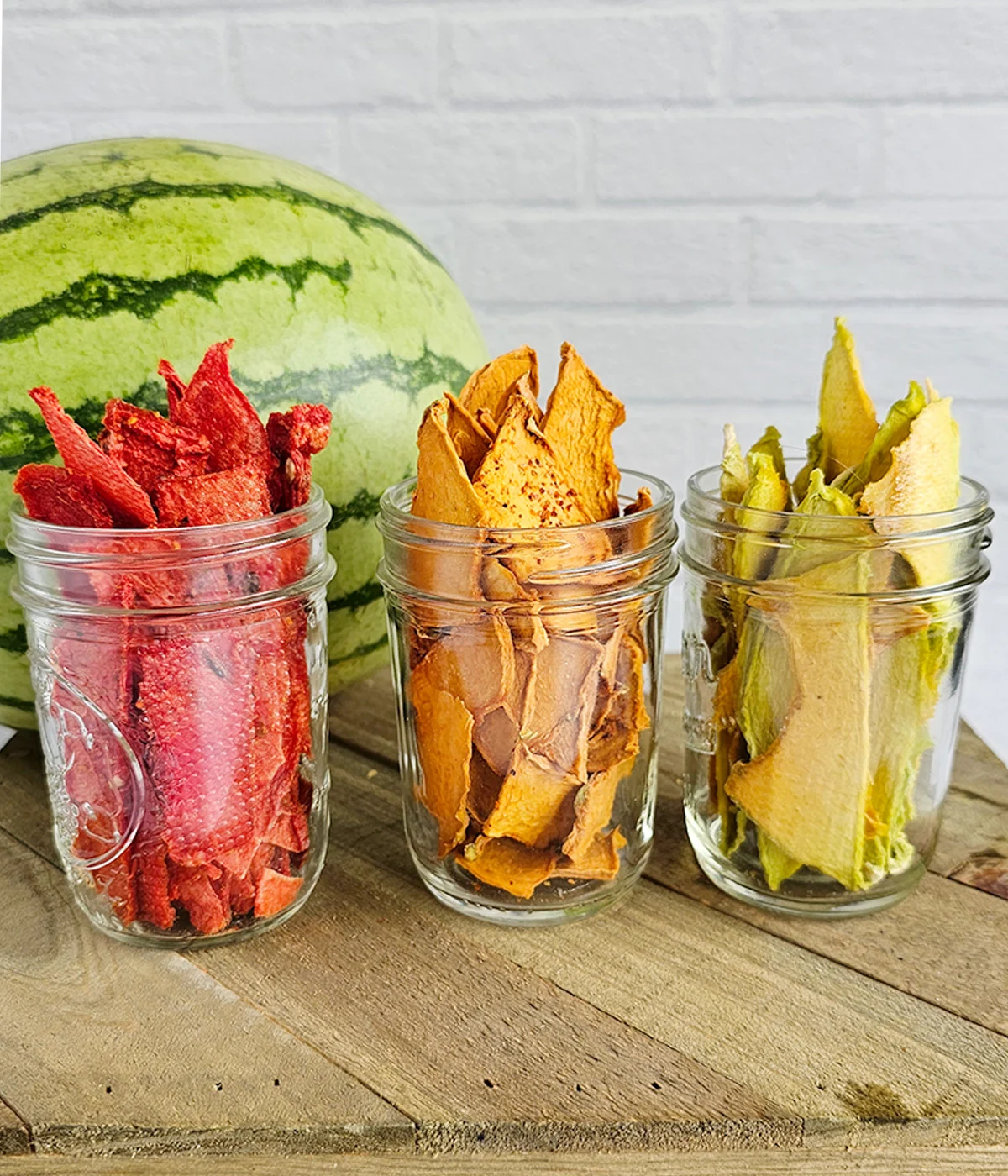
The practice of food dehydration has transitioned from an ancient survival technique to a modern cornerstone of sustainable living and waste reduction. As food prices fluctuate and the global community focuses on reducing the estimated 1.3 billion tons of food wasted annually, home preservation methods like dehydrating melons—including watermelon, cantaloupe, and honeydew—have gained significant traction. This process transforms highly perishable, water-dense fruits into shelf-stable, nutrient-concentrated snacks that are ideal for emergency preparedness, outdoor recreation, and domestic pantry management. By removing the moisture content that facilitates microbial growth, consumers can extend the life of seasonal produce by up to twelve months, effectively bridging the gap between harvest cycles.
The Economic and Environmental Context of Food Preservation
The modern surge in home dehydration is largely driven by two factors: economic necessity and environmental consciousness. According to data from the United States Department of Agriculture (USDA), fresh fruits are among the most frequently discarded items in American households due to their short shelf life. Melons, in particular, present a unique challenge; once sliced, their high water content (often exceeding 90%) makes them highly susceptible to mold and fermentation.
By employing dehydration, households can mitigate "food fatigue"—a phenomenon where large quantities of a single crop are purchased but cannot be consumed before spoilage. Experts in the field of domestic economy suggest that dehydrating surplus produce can reduce a household’s annual food waste by up to 15%, providing a significant return on the initial investment of a dehydrator or the energy costs associated with low-temperature oven use. Furthermore, the reduction in weight and volume makes these snacks highly efficient for transport, reducing the carbon footprint associated with carrying heavy, water-laden fresh fruit on excursions.
The Science of Dehydration: How It Works
Dehydration is a form of thermal processing that relies on the simultaneous application of heat and airflow. The goal is to reduce the "water activity" (aw) of the food to a level where bacteria, yeast, and mold can no longer thrive. For fruits like melons, this typically means reducing the moisture content to approximately 10% to 20%.
When melons are subjected to a consistent temperature of 135°F (57°C), the surface moisture evaporates first. This creates a pressure gradient that draws internal moisture to the surface—a process known as "wicking." If the temperature is too high, the exterior can harden too quickly, trapping moisture inside and leading to internal spoilage, a failure known as "case hardening." Therefore, maintaining a steady, low temperature with high-volume air circulation is critical for a safe and successful outcome.
Standard Operating Procedures for Melon Dehydration
The process of dehydrating melons requires a systematic approach to ensure both food safety and palatability. While the methodology remains largely consistent across different varieties, the preparation phase varies slightly depending on the fruit’s anatomy.
Selection and Preparation
The quality of the final product is directly proportional to the ripeness of the raw fruit. Melons should be at their peak sweetness; under-ripe melons will lack flavor when dried, as the dehydration process concentrates existing sugars rather than creating new ones.
- Sanitization: The exterior rind must be thoroughly washed to prevent the transfer of soil-borne pathogens, such as Salmonella or Listeria, to the flesh during slicing.
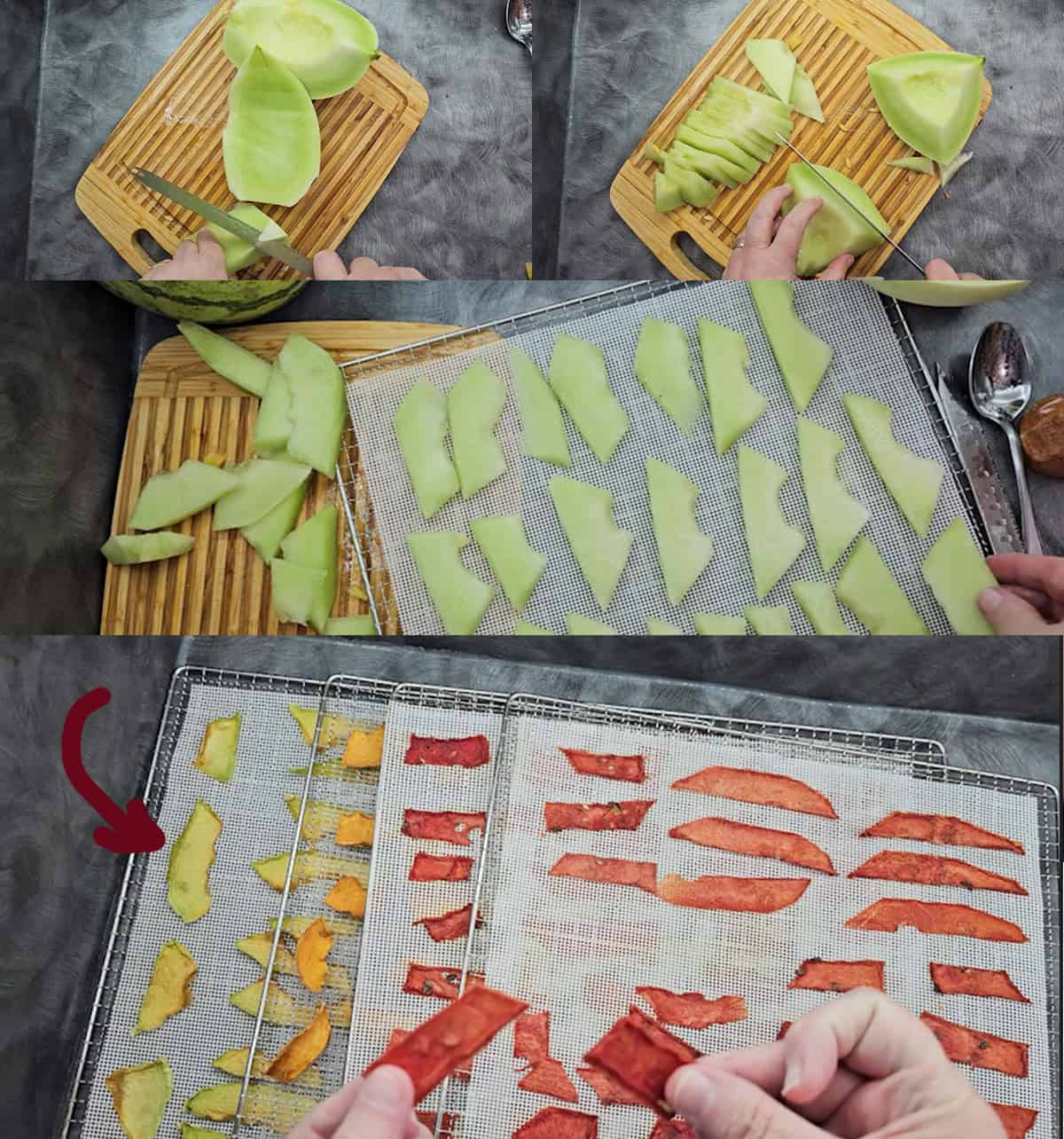
- Slicing: For optimal results, melons should be sliced to a uniform thickness of 1/4 inch to 1/2 inch. Uniformity is essential for ensuring that all pieces reach the desired dryness simultaneously.
- Rind and Seed Removal: The rind must be completely removed, as it does not dehydrate well and can harbor bitterness. For cantaloupe and honeydew, all seeds must be scooped out. For watermelon, seedless varieties are preferred, though manual deseeded fruit is also acceptable.
Dehydrator Methodology
The use of a dedicated food dehydrator is the most efficient method due to its controlled environment.
- Temperature Setting: 135°F (57°C) is the industry standard for fruits to preserve vitamins and enzymes.
- Duration: The process typically requires 10 to 14 hours. However, environmental factors such as ambient humidity can extend this timeline.
- Testing for Doneness: The fruit is considered done when it is leathery and no longer sticky. When bent, it should not exude any moisture.
Oven-Based Alternative
For those without specialized equipment, a standard kitchen oven can be utilized, though it requires closer monitoring.
- Temperature: Set the oven to its lowest possible setting (ideally 170°F or lower).
- Airflow: The oven door should be slightly propped open to allow moisture to escape.
- Positioning: Use cooling racks placed on baking sheets to allow air to circulate around all sides of the fruit.
Comparative Analysis of Melon Varieties
While the technical process is similar, the sensory outcomes vary significantly between watermelon, cantaloupe, and honeydew.
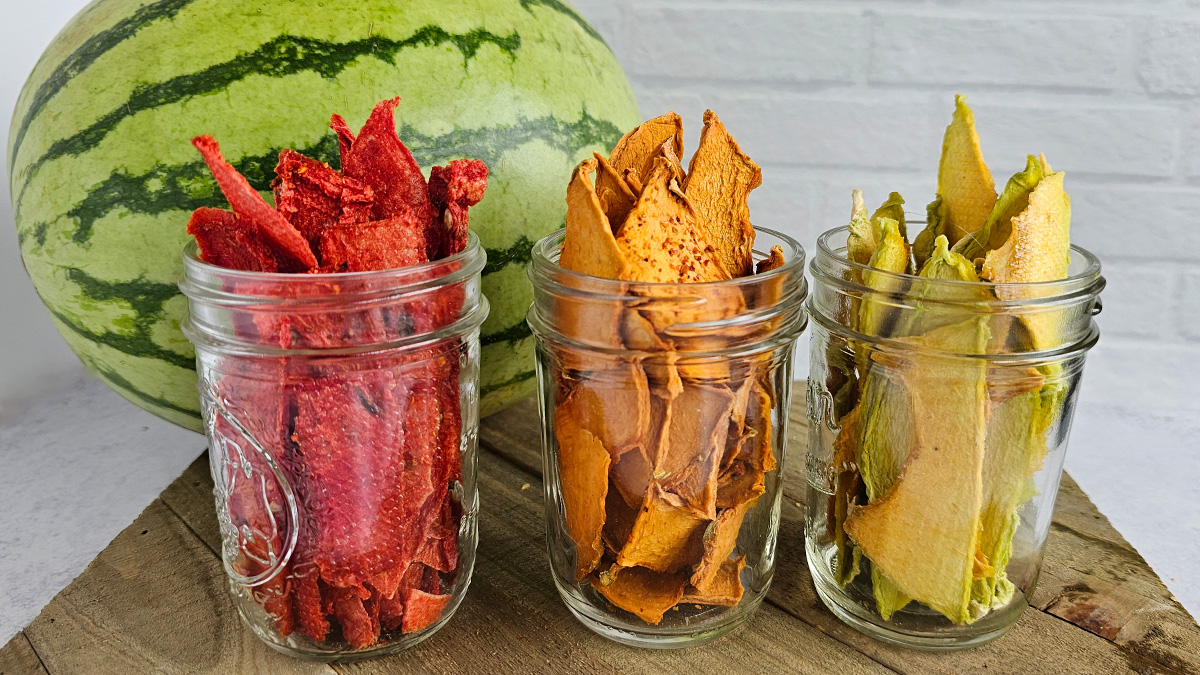
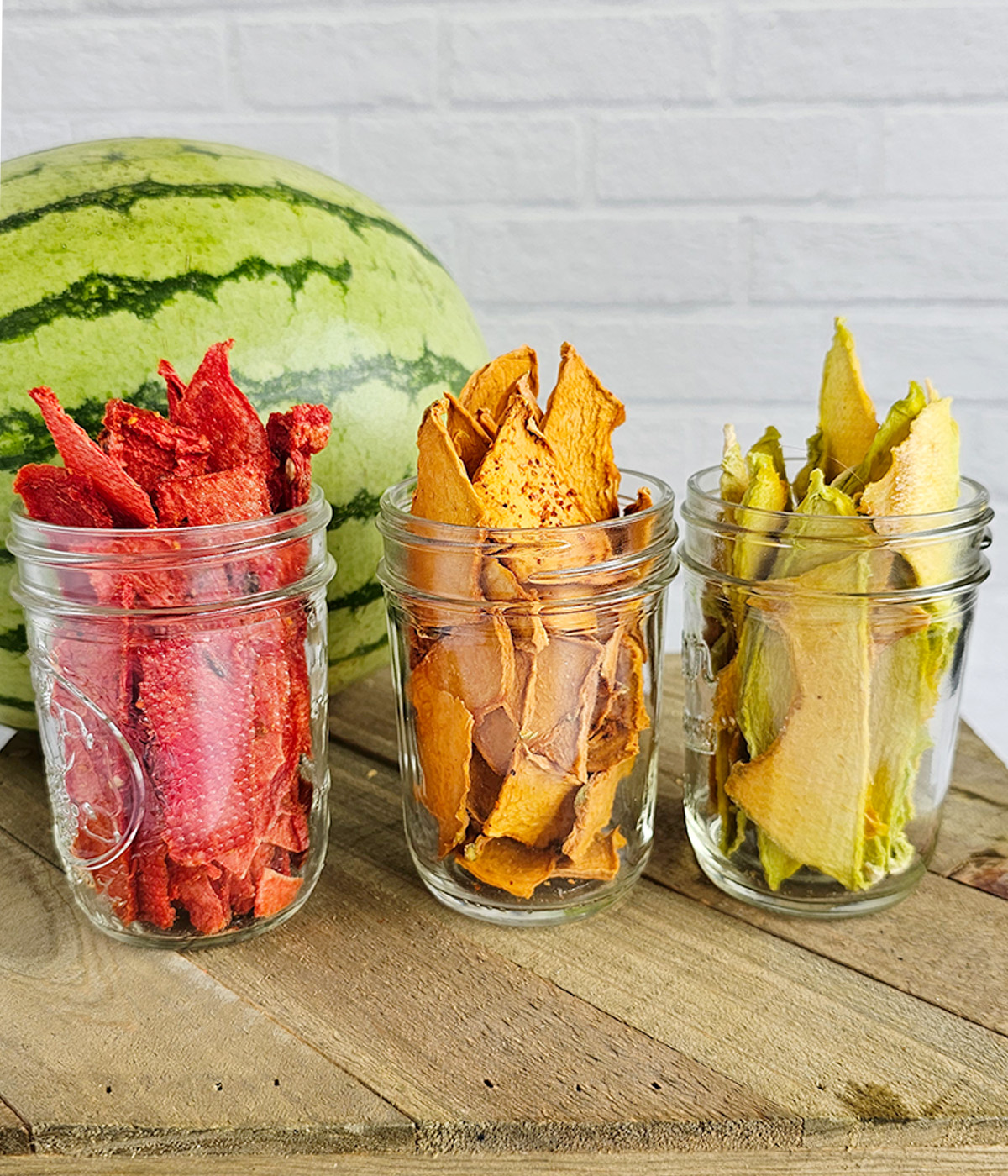
Watermelon: The "Fruit Taffy"
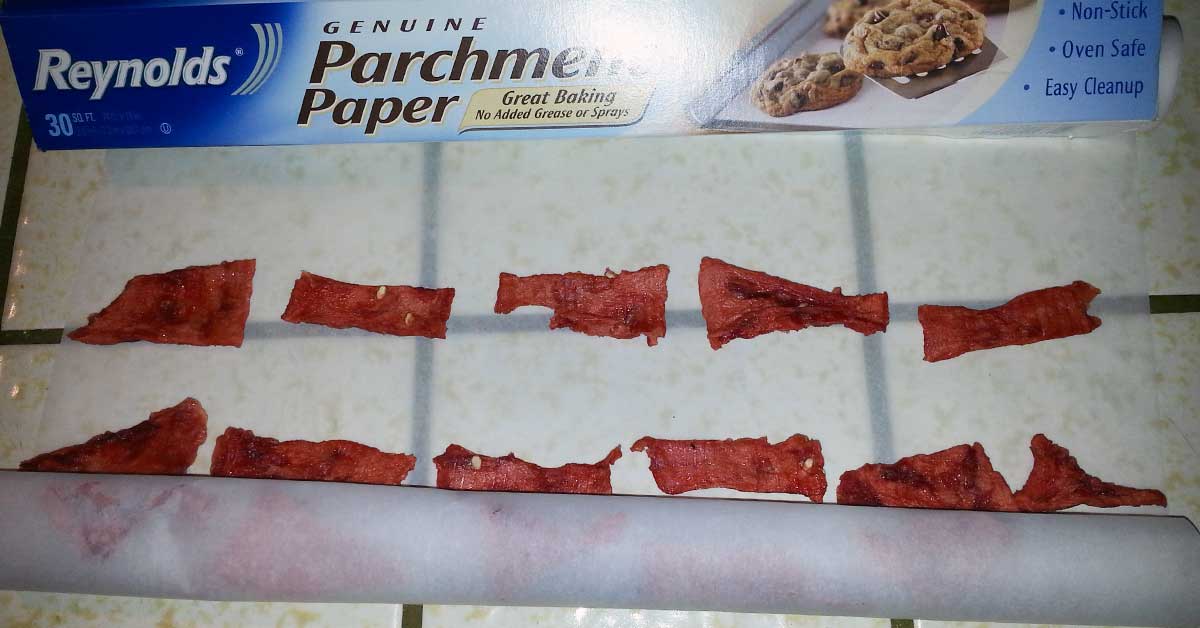
Watermelon undergoes the most dramatic transformation. Due to its extremely high water content, the slices shrink significantly, resulting in a concentrated, candy-like flavor often compared to commercial fruit leather or taffy. Because of its high sugar-to-fiber ratio, dried watermelon remains the most prone to stickiness and requires careful storage.
Cantaloupe: The Savory-Sweet Balance
Dried cantaloupe retains a more fibrous structure than watermelon. Its flavor profile becomes deeply musky and sweet. It is often the variety most enhanced by topical seasonings. Industry experts suggest that cantaloupe is the most "shelf-stable" in terms of maintaining its texture over long periods.
Honeydew: Subtle Complexity
Honeydew melon, often overlooked in the preservation community, yields a mild, refreshing dried snack. Its color shifts from a pale green to a translucent emerald, making it an aesthetically pleasing addition to food gift sets or decorative grazing boards.
Quality Control: The Conditioning Phase
A critical, yet often skipped, step in the dehydration process is "conditioning." This is a week-long safety protocol designed to ensure that any residual moisture is evenly distributed among the dried pieces, preventing mold growth during long-term storage.
To condition the fruit, the cooled pieces are placed in a clear, airtight glass jar, filled about two-thirds full. For seven days, the jar is shaken daily and inspected for signs of condensation on the glass. If moisture appears, the fruit must be returned to the dehydrator for further processing. If no moisture is detected after one week, the fruit is deemed safe for permanent storage.
Nutritional Profile and Dietary Implications
Dehydrated melons are a nutrient-dense alternative to processed snacks. However, consumers must be aware of the concentration effect. When water is removed, the caloric and sugar content per gram increases significantly.
Data suggests that 1 cup of fresh melon is nutritionally equivalent to approximately 1/4 cup of the dehydrated version. While vitamins like Vitamin A and C are largely preserved, they are sensitive to light and heat. Therefore, storing the finished product in a cool, dark environment is essential to maintaining its nutritional integrity. For athletes and hikers, dried melon serves as an excellent source of rapid-release glucose and potassium, which are vital for muscle function and energy during high-exertion activities.
Storage Infrastructure and Longevity
The primary enemy of dehydrated food is "moisture re-entry." Sugars in the melon are hygroscopic, meaning they actively absorb moisture from the air.
- Airtight Containers: Glass Mason jars with vacuum-sealed lids are the gold standard for storage.
- Oxygen Absorbers and Desiccants: Including a food-grade silica gel packet can help manage internal humidity, especially in climates with high relative humidity.
- Parchment Wrapping: For particularly sticky items like watermelon, wrapping individual pieces in parchment paper before placing them in the container prevents clumping.
- Shelf Life: When stored correctly in a cool (below 60°F), dark, and dry location, dehydrated melons can remain shelf-stable for 6 to 12 months.
Culinary Applications and Future Trends
Beyond simple snacking, dehydrated melons are finding their way into sophisticated culinary applications. Modern chefs have begun using ground dehydrated melon as a natural flavoring powder for desserts, or rehydrating slices in spirits like vodka or gin to create infused cocktails.

The "home pantry" movement, championed by figures like Darcy Baldwin, author of Dehydrating Basics & Journal, emphasizes the empowerment of the consumer. By mastering these techniques, individuals are less reliant on global supply chains and are better equipped to handle seasonal gluts of produce.
Final Analysis: The Impact of Preservation
The move toward dehydrating melons represents a broader shift in consumer behavior toward "active food management." By treating produce as a long-term asset rather than a short-term commodity, individuals can significantly impact their household’s sustainability footprint. As technology in home appliances continues to improve—offering more energy-efficient and precise dehydrators—it is expected that food preservation will move from a niche hobby to a standard household practice. The result is a more resilient food system, starting at the kitchen counter.


