Walmart’s strategic pivot into the curated home goods sector marks a significant evolution in its retail operations, aiming to bridge the gap between budget-friendly pricing and high-end aesthetic appeal. By launching the "Wow and Now" section on its digital platform, the retail giant has signaled a move toward a more editorialized shopping experience, specifically targeting a demographic that prioritizes interior design trends alongside cost-efficiency. This initiative, highlighted by recent collaborations with lifestyle and design influencers such as Oh Happy Day, underscores a broader industry trend where big-box retailers adopt the curation techniques typically reserved for boutique or high-end furniture showrooms.
The Strategic Launch of the Wow and Now Curated Experience
The "Wow and Now" section represents a departure from Walmart’s traditional high-volume, low-margin inventory management style. Instead of presenting an exhaustive list of every available item, this curated portal focuses on "trend-forward" home goods. The selection is frequently updated to reflect seasonal shifts, such as the transition into summer outdoor living. By limiting the selection to items that meet specific aesthetic criteria—such as natural textures, mid-century modern influences, and vibrant seasonal palettes—Walmart is positioning itself as a direct competitor to specialized home retailers like Target’s Threshold and West Elm.
Industry analysts suggest that this move is designed to capture a larger share of the millennial and Gen Z home decor market. These demographics often seek "Instagrammable" home environments but remain price-sensitive due to broader economic pressures. The curated approach reduces "choice overload," a common psychological barrier in e-commerce, and guides the consumer toward a cohesive design vision. The integration of rapid delivery services further enhances the value proposition, addressing the consumer demand for immediate gratification in the "fast decor" era.

Chronology of Walmart’s Home Division Transformation
The development of the "Wow and Now" section is the latest step in a multi-year transformation of Walmart’s home division.
- 2018–2019: Infrastructure and Acquisitions. Walmart began overhauling its digital presence, acquiring niche brands and launching proprietary labels like "MoDRN." This period focused on improving the visual quality of the website to mimic high-end competitors.
- 2020: The Pandemic Shift. As global lockdowns forced consumers to reinvest in their living spaces, Walmart saw a surge in demand for home office and outdoor patio equipment. This period accelerated the need for robust supply chains capable of delivering large-scale home items quickly.
- 2021: The Launch of "Wow and Now." Recognizing that consumers were seeking curated "discoveries" rather than just utility items, Walmart introduced the section to highlight limited-time deals and trend-specific collections.
- 2022–Present: Influencer and Content Integration. The retailer deepened its partnerships with design experts to create "shoppable stories." This phase moved beyond traditional advertising, utilizing lifestyle photography and blog-style narratives to demonstrate how products function in a real-world home environment.
Product Analysis: The Summer Outdoor Refresh
The recent partnership with Oh Happy Day serves as a case study for how these curated items are marketed. The focus for the summer season has been on "outdoor refreshments," a category that has seen consistent growth as homeowners look to expand their living square footage into patios and gardens.
Textural Elements: Rattan and Woven Materials
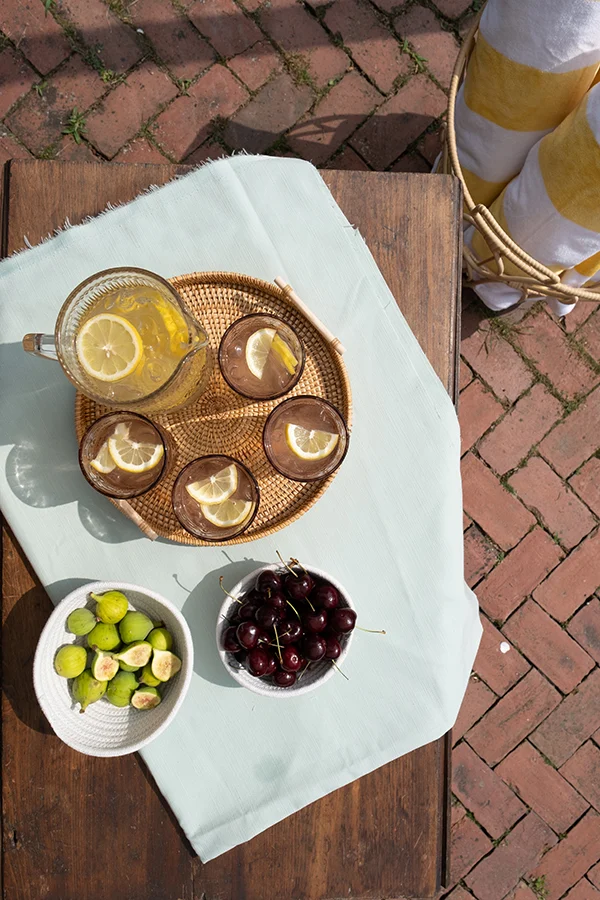
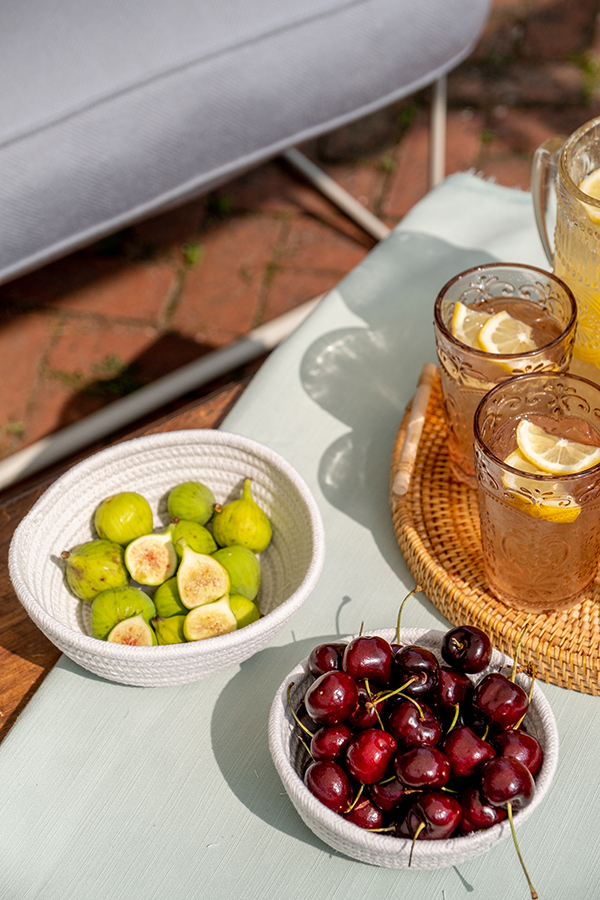
A key component of the current curation is the use of natural fibers. The "Wow and Now" section prominently features woven bowl sets and rattan trays. From a design perspective, these materials offer a tactile quality that elevates the perceived value of the product. Rattan, in particular, has seen a resurgence in popularity due to its durability and lightweight nature, making it ideal for seasonal outdoor use.
Glassware and Entertaining Essentials
The shift toward home-based entertaining is reflected in the selection of rose-tinted glass tumblers and high-capacity pitchers. By offering coordinated sets, Walmart encourages "bundle purchasing," where consumers buy an entire aesthetic rather than a single utility item. The inclusion of specialized tools, such as citrus squeezers, indicates a focus on "lifestyle" selling—selling the experience of making homemade refreshments rather than just the hardware itself.
Functional Textiles
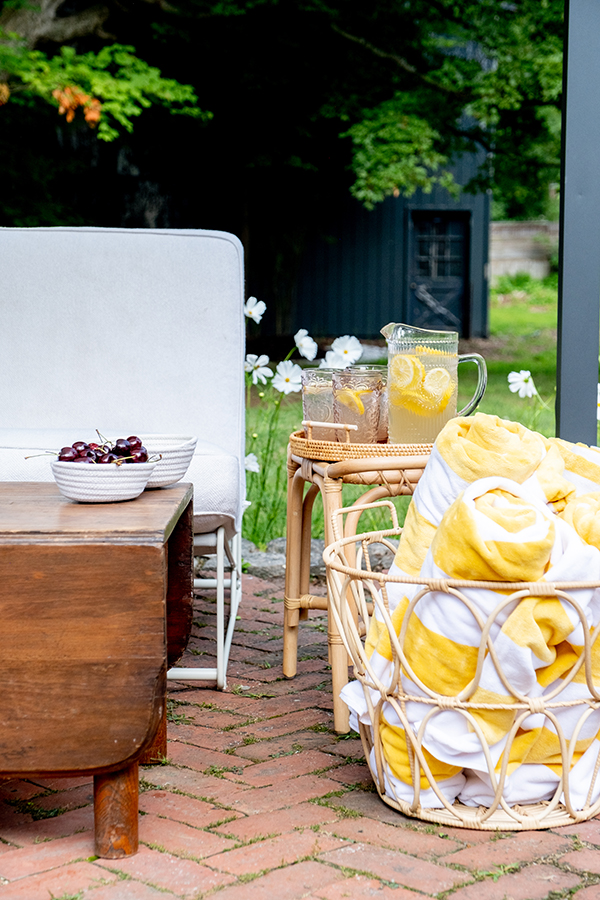
The "Wow and Now" textile collection, including oversized striped towels and open-weave storage baskets, emphasizes the intersection of utility and style. These items are designed to be "display-ready," meaning they serve a functional purpose (drying off after a pool session) while contributing to the overall visual harmony of the home.
Supporting Data: The Economics of Curated Retail
The home decor market in the United States is projected to continue its upward trajectory, with e-commerce playing a dominant role. According to market research, the global home decor market is expected to reach over $800 billion by 2025. Walmart’s investment in curated digital experiences is a direct response to these figures.
Data from the retail sector indicates that:
- Conversion Rates: Curated collections typically see higher conversion rates than standard search results, as they provide a more focused path to purchase.
- Average Order Value (AOV): By presenting items in a "lifestyle" context (e.g., showing a pitcher alongside matching glasses on a rattan tray), retailers can increase the AOV through cross-selling.
- Fulfillment Speed: Walmart’s use of its 4,700+ physical stores as fulfillment centers allows it to offer "super quick" delivery, often outperforming digital-only competitors. This logistics advantage is a cornerstone of the "Wow and Now" value proposition.
Official Responses and Strategic Implications
While Walmart executives have historically focused on "Everyday Low Prices," recent statements from the company’s leadership highlight a new focus on "Everyday Low Prices with Style." In various investor relations calls, the company has emphasized that the home category is a "high-affinity" sector—meaning customers who buy home goods are more likely to return for other categories, such as groceries and electronics.

"Our goal is to make stylish home decor accessible to everyone," a Walmart spokesperson noted in a recent strategy brief. "By leveraging our supply chain and digital platforms, we can offer trend-forward products at price points that were previously unavailable in the market."
Industry observers note that this strategy serves as a defensive maneuver against Amazon’s growing home brands and an offensive maneuver against Target’s dominance in the "cheap chic" space. By combining influencer-led content with massive scale, Walmart is attempting to redefine its brand identity from a utility-based warehouse to a design-conscious destination.
Broader Impact on the Retail Landscape
The success of curated sections like "Wow and Now" has broader implications for the future of retail. First, it signals the "democratization of design," where high-end trends are filtered down to the mass market with unprecedented speed. This cycle, often referred to as "fast home," mirrors the fast-fashion industry, where designs move from high-end runways (or boutique showrooms) to mass-market shelves in a matter of months.
Second, it highlights the changing role of the influencer. Partnerships like the one with Oh Happy Day demonstrate that influencers are no longer just "advertisers"; they are effectively acting as external creative directors for major corporations. Their ability to style products in a way that feels authentic and attainable is a powerful tool for traditional retailers looking to modernize their image.
Finally, the emphasis on quick delivery for home goods suggests that logistics will remain the primary battleground for retail dominance. As consumers become accustomed to receiving furniture and decor items within 24 to 48 hours, the pressure on supply chains to maintain high-quality, trend-responsive inventory will only increase.
Conclusion and Market Outlook
As Walmart continues to refine its "Wow and Now" experience, the retail landscape is likely to see further integration of editorial content and commerce. The focus on seasonal refreshes—such as the current summer patio collection—ensures that the digital storefront remains dynamic, encouraging repeat visits from consumers.
For the consumer, this evolution provides more options for high-quality design at accessible price points. For the industry, it represents a significant shift in how large-scale retailers manage brand perception and customer loyalty in an increasingly digital and design-literate market. The intersection of affordability, aesthetic curation, and logistical efficiency remains the formula for success in the modern retail era, and Walmart’s recent initiatives suggest a firm commitment to leading in this space.