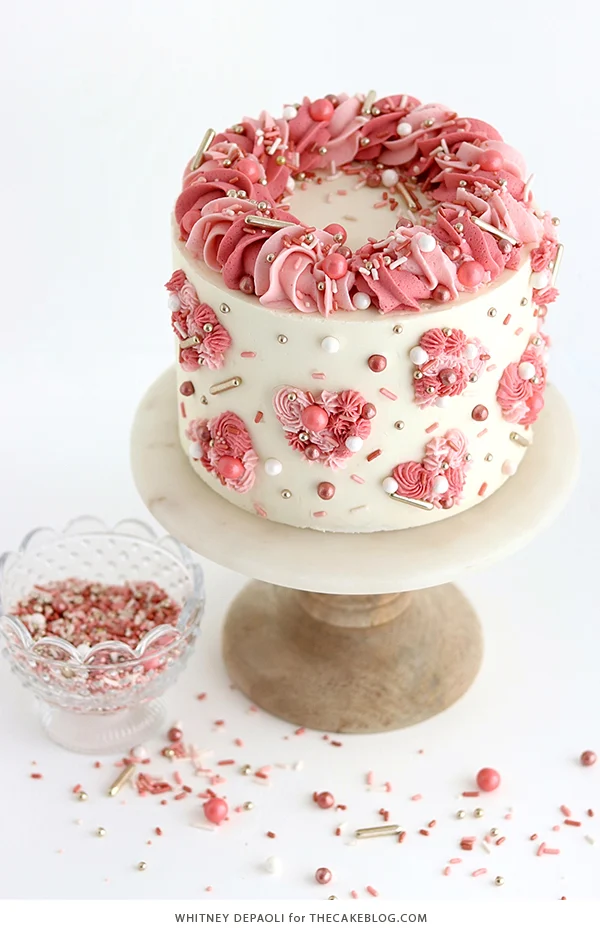
A new tutorial by contributor Whitney DePaoli for TheCakeBlog.com offers a contemporary approach to traditional Valentine’s Day cake decorating, focusing on a technique that imbues buttercream hearts with rich texture and vibrant color. This method, inspired by Instagram baker @frostedfujicakes, provides a fresh perspective on classic holiday motifs, allowing for creative expression whether crafting a cake for a romantic partner or a Galentine’s Day celebration. The resulting design is both accessible and visually striking, promising to be a focal point for any festive gathering.
The Art of Texture and Color in Cake Decorating
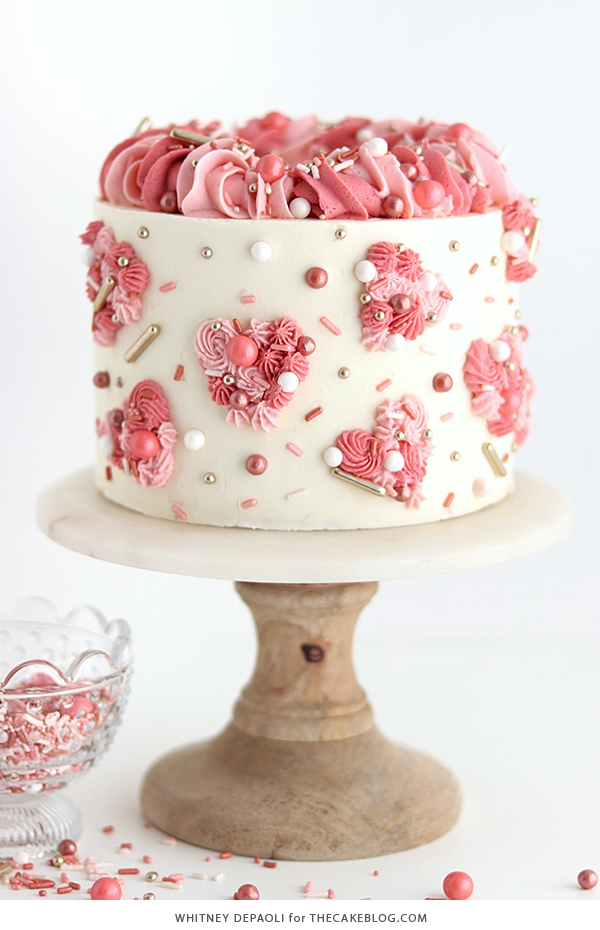
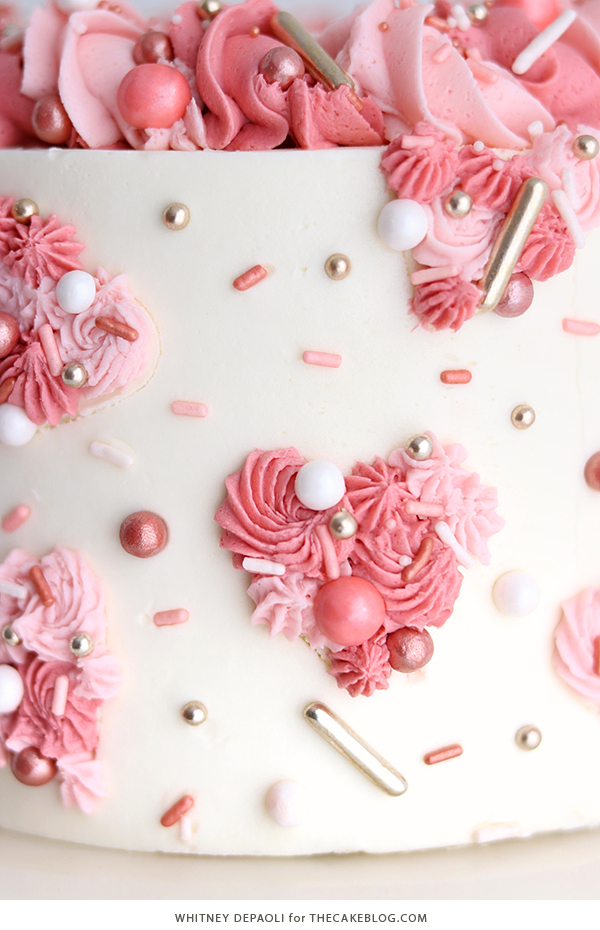
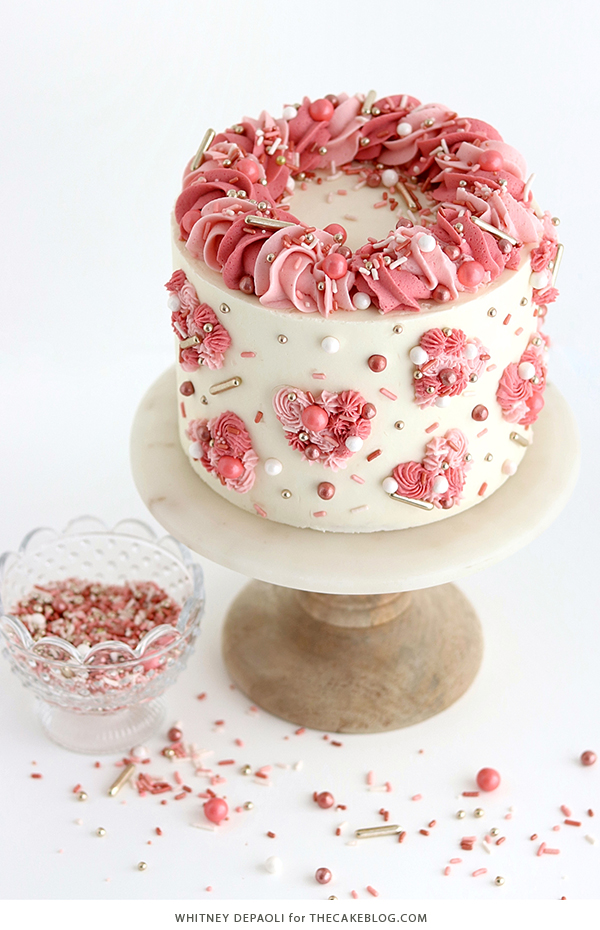
The core of DePaoli’s technique lies in imprinting simple heart shapes onto a frosted cake, which are then meticulously filled with piped buttercream. This is further enhanced by the strategic application of sprinkles, adding an extra layer of visual interest and tactile dimension. The tutorial showcases a rose gold color palette, demonstrating how subtle variations in pink tones, from the buttercream itself to the chosen sprinkles, can create a sophisticated and cohesive aesthetic. However, DePaoli emphasizes that this technique is highly adaptable, encouraging decorators to explore any color scheme that aligns with their personal preferences or the overall theme of their celebration. This flexibility moves beyond the conventional red and pink palette often associated with Valentine’s Day, opening doors to more personalized and unique cake designs.
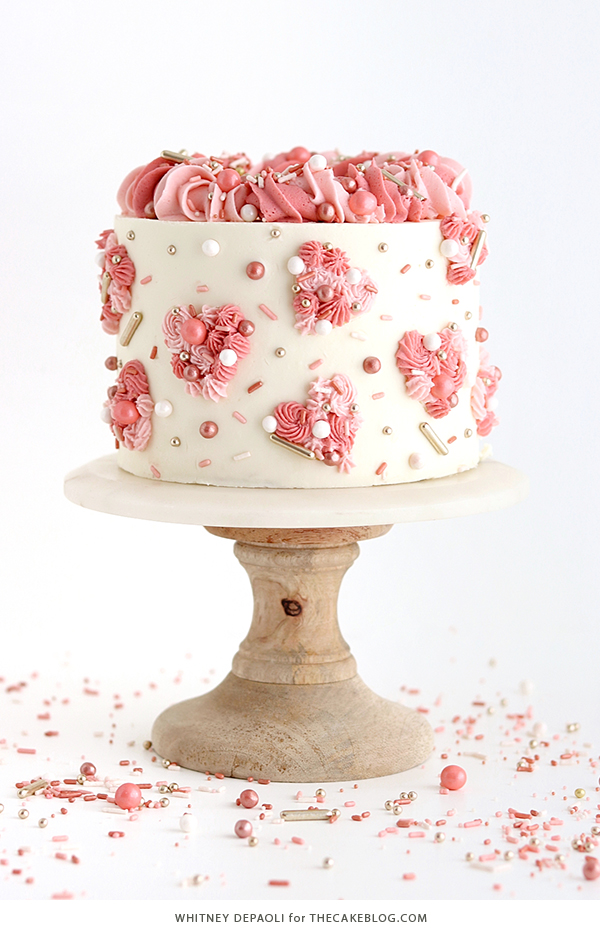
The choice of buttercream is also flexible, with DePaoli noting that any tintable and pipeable variety will suffice. Her personal preference leans towards American buttercream, which is featured in the tutorial. The key is to select a frosting that holds its shape well, allowing for the detailed piping of small rosettes and stars within the imprinted hearts. The final result is a versatile design that can serve as a stunning centerpiece for a party or a thoughtful, impressive treat for a loved one.
A Step-by-Step Guide to Creating Piped Hearts
The tutorial breaks down the process into several key stages, making it manageable for bakers of varying skill levels.
Color and Preparation of Buttercream
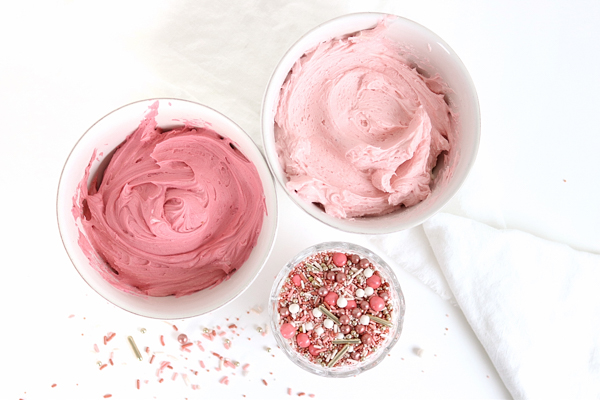
The initial step involves preparing the buttercream. DePaoli suggests dividing the buttercream into separate bowls to achieve different shades. For the featured rose gold theme, she utilized Americolor Dusty Rose food coloring gel to achieve complementary pink hues. The precision in coloring is crucial for achieving the desired aesthetic.
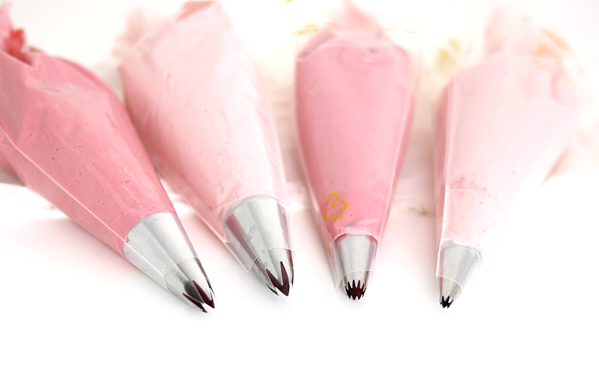
Following the coloring process, four piping bags are prepared. Two are fitted with a Wilton 1M piping tip, one with a Wilton 199 tip, and one with a Wilton 21 tip. The colored buttercream is then carefully portioned into these bags. Half of the first buttercream color is placed into a piping bag fitted with the 1M tip, and the other half into the bag with the 199 tip. The remaining buttercream color is then divided among the two remaining piping bags. This specific division of tips and colors allows for the creation of varied textures and details within each piped heart. DePaoli reiterates that if a monochromatic color scheme is preferred, the number of piping bags and tips required might be adjusted accordingly.
Imprinting the Hearts
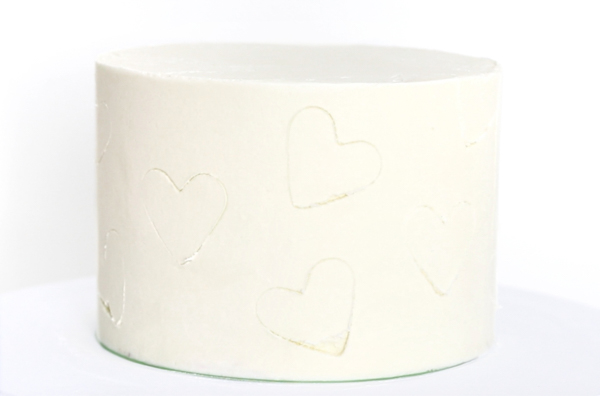
Once the cake is frosted and thoroughly chilled – a critical step for preventing the frosting from smudging – a heart-shaped cookie cutter is used to imprint the design onto the cake’s surface. The imprints are strategically placed in a random pattern, with a recommended spacing of at least two inches apart to avoid a cluttered appearance. This gentle impression serves as a guide for the subsequent piping work, ensuring a neat and defined outcome. The chilled state of the cake is paramount; it provides a firm surface that allows the cookie cutter to create clean indentations without distorting the underlying frosting. This preparatory step is fundamental to the success of the entire decorative process.
Filling the Hearts with Piping Techniques
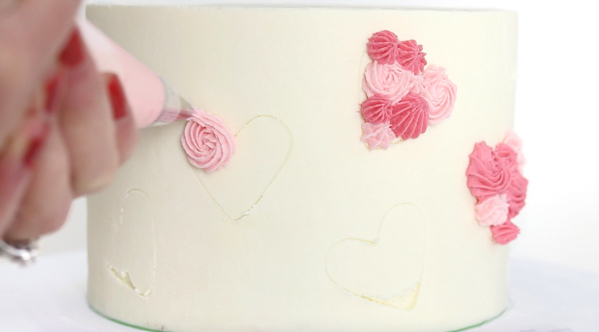
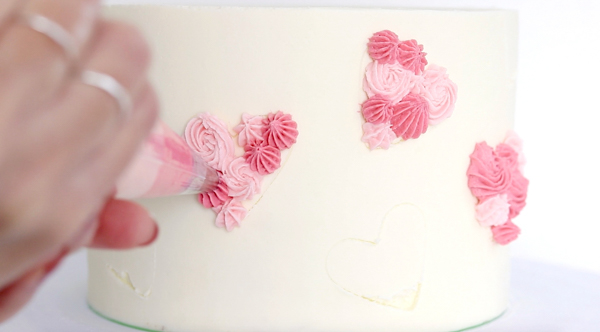
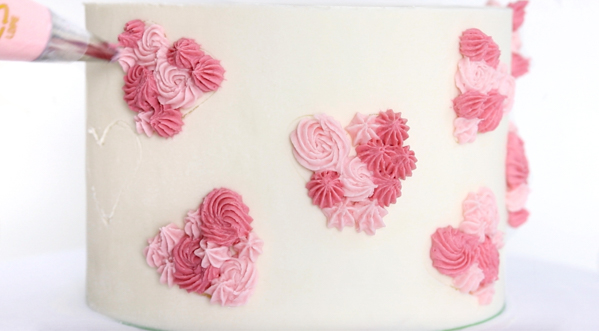
With the heart imprints serving as a blueprint, the next phase involves using the prepared piping bags to fill these shapes. The tutorial demonstrates the creation of small rosettes and star patterns within each imprinted heart. This is where the different piping tips come into play, allowing for a variety of textures and visual appeal within each individual heart. The goal is to fill as much of the imprinted area as possible, creating a rich, dimensional effect. DePaoli acknowledges that the heart shape may not be immediately apparent during this stage, reassuring decorators that the subsequent addition of sprinkles will unify the design and enhance its overall definition. This stage highlights the importance of patience and attention to detail, as each small piped element contributes to the final masterpiece.
The Artful Addition of Sprinkles
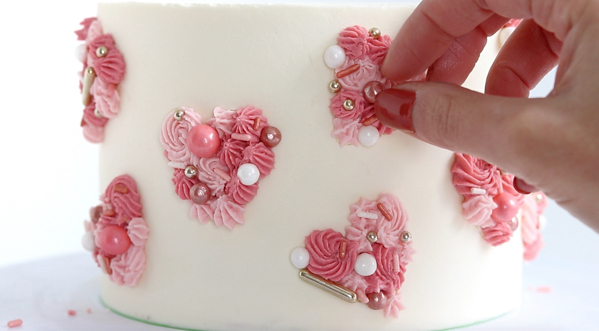
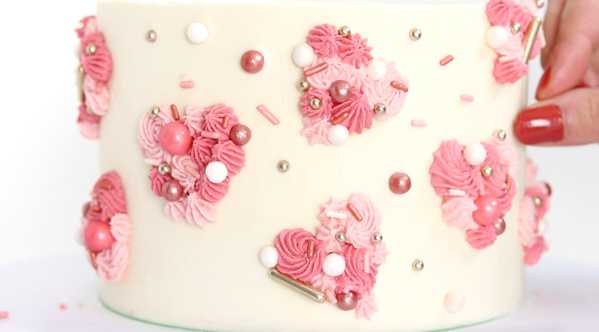
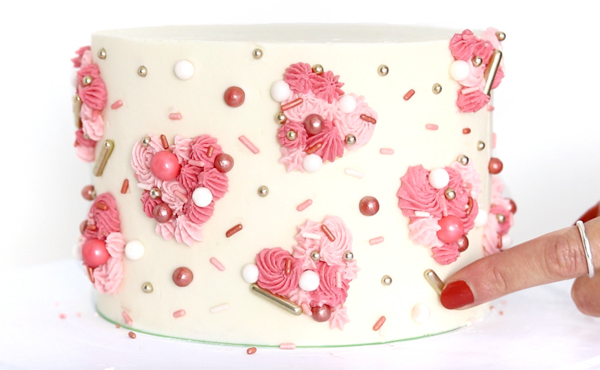
The application of sprinkles is a pivotal step in achieving the desired texture and unifying the piped elements. Sprinkles are carefully placed within each piped heart, filling any gaps and further enhancing the textural complexity. The tutorial showcases a selection of sprinkles that complement the rose gold buttercream, adding an extra shimmer and depth. DePaoli notes that the sprinkles not only fill spaces but also amplify the visual impact of the buttercream colors and piping.
A practical tip is offered for efficient sprinkle placement: keeping a damp paper towel nearby. Pressing a fingertip onto the damp towel before touching the sprinkles can help them adhere to the finger, facilitating easier and more precise placement. Alternatively, tweezers can be used for this delicate task. While both methods may require some patience, the effort is deemed worthwhile for achieving the intricate and captivating final look. It is important to note that while certain gold and silver dragees are considered safe for cake decoration, they have not received FDA approval for consumption. Therefore, it is advised to inform guests not to consume these specific decorative elements.
Crafting the Rosette Rope Border
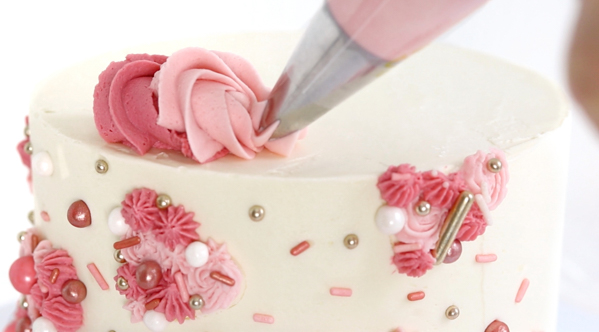
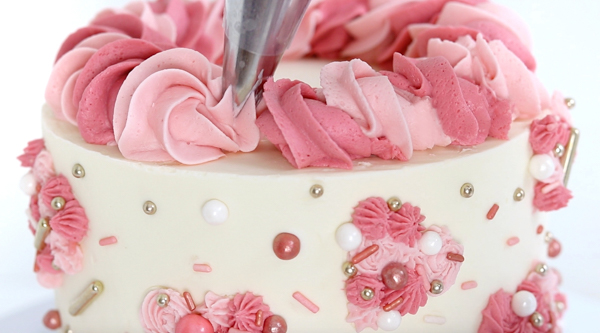
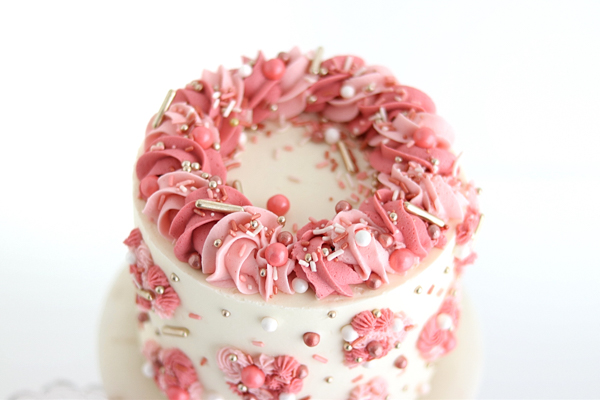
To complete the cake’s aesthetic, a decorative border is added using a rosette rope technique. A piping bag fitted with the 1M tip is employed for this purpose. The tip is positioned approximately one inch inward from the cake’s edge, held at a 45-degree angle towards the decorator. Rosettes are then piped in a counter-clockwise motion, alternating between the prepared buttercream colors. This creates a continuous, flowing border that frames the cake beautifully. The process is repeated until the entire top edge of the cake is adorned with this elegant rosette pattern.
To further integrate the design, additional sprinkles are applied to the rosette rope border. This final touch helps to tie the entire cake together, ensuring a cohesive and visually stunning presentation. The result is a truly eye-catching creation, perfectly suited for Valentine’s Day celebrations, embodying both traditional sentiment and modern design sensibilities.
Valentine’s Day: A Tradition of Sweet Gestures
Valentine’s Day, celebrated annually on February 14th, has evolved into a significant occasion for expressing affection and appreciation. While historically rooted in romantic love, its observance has broadened to include expressions of platonic affection, family bonds, and self-love, often referred to as Galentine’s Day. The tradition of exchanging gifts, cards, and elaborate meals is deeply ingrained in the holiday’s fabric. In recent decades, the culinary arts, particularly cake decorating, have played an increasingly prominent role in these celebrations.
The rise of social media platforms has further amplified the creative landscape of holiday baking. Websites like TheCakeBlog.com serve as central hubs for sharing innovative techniques and inspirational designs, democratizing access to professional-level decorating ideas. This tutorial by Whitney DePaoli exemplifies this trend, offering a contemporary twist on a timeless theme. The emphasis on texture, color, and personalization reflects a broader shift in baking aesthetics, moving beyond simple execution to artistic expression. The accessibility of the technique, as highlighted by DePaoli, ensures that a wide range of individuals can participate in creating beautiful and meaningful confections.
The economic impact of Valentine’s Day is substantial. According to the National Retail Federation, consumer spending on Valentine’s Day has consistently reached billions of dollars annually in the United States. This spending encompasses gifts, cards, flowers, and, significantly, food items such as chocolates and cakes. The demand for unique and aesthetically pleasing baked goods has spurred innovation within the baking industry, with decorators and home bakers alike seeking to distinguish their creations. Techniques like the one presented in this tutorial contribute to this dynamic market, offering bakers new ways to meet consumer expectations for visually appealing and personalized treats.
The trend towards more elaborate and personalized cake designs can be partly attributed to the influence of baking shows and online tutorials. These platforms not only provide instruction but also foster a sense of community among bakers, encouraging the sharing of ideas and techniques. The @frostedfujicakes Instagram account, cited as inspiration for this tutorial, represents a significant presence within this online baking community. Such online communities play a vital role in disseminating trends and fostering creativity, allowing for rapid evolution in cake decorating styles.
The implications of such tutorials extend beyond individual baking endeavors. They contribute to the broader cultural narrative surrounding holidays and celebrations, emphasizing the role of food as a medium for connection and expression. The ability to create a visually stunning and delicious cake can enhance the celebratory experience, fostering joy and shared moments. As consumers increasingly seek unique and personalized experiences, the demand for creative baking solutions like the piped hearts cake is likely to continue to grow. This method, by blending traditional elements with modern techniques, offers a compelling example of how classic themes can be reinvented to resonate with contemporary audiences.