

Planned obsolescence, a manufacturing strategy where products are intentionally designed to have a limited functional lifespan or to become perceived as unfashionable within a short period, has become a cornerstone of modern industrial economics. While the practice ensures consistent consumer demand and fuels economic growth, it has increasingly come under fire from environmental advocates, consumer rights groups, and legislators worldwide. This industrial approach extends far beyond the realm of consumer electronics, permeating the textile, furniture, and household appliance industries. As global waste levels reach critical thresholds, understanding the mechanics of planned obsolescence and identifying strategies to mitigate its impact is essential for transitioning toward a more sustainable, circular economy.

The Mechanics and Evolution of Planned Obsolescence
The concept of planned obsolescence is not a modern phenomenon but rather a century-old strategy. Its origins can be traced back to the early 20th century, specifically to the formation of the Phoebus Cartel in 1924. This international committee, which included major manufacturers such as Osram, Philips, and General Electric, sought to control the production and sale of incandescent lightbulbs. Before the cartel’s intervention, lightbulbs had a life expectancy of approximately 2,500 hours. Recognizing that long-lasting products resulted in lower sales volumes, the cartel members agreed to artificially reduce the lifespan of bulbs to 1,000 hours. Manufacturers who produced bulbs exceeding this limit were often penalized, marking the first documented instance of a systematic industrial effort to limit product durability for profit.
In the decades following, the strategy evolved into various forms. During the 1930s, real estate broker Bernard London proposed "ending the depression through planned obsolescence," suggesting that the government should impose a legal expiration date on consumer goods to stimulate spending. While his specific policy was never enacted, the underlying philosophy was embraced by the automotive and fashion industries. This led to the rise of "dynamic obsolescence," or psychological obsolescence, where products are made to feel outdated through frequent aesthetic redesigns rather than functional failure.

Modern Manifestations and Environmental Impact
In the contemporary marketplace, planned obsolescence manifests in several distinct ways:
- Functional Obsolescence: This occurs when a product’s physical components are designed to fail after a specific amount of use. Examples include non-replaceable batteries in smartphones or plastic gears in high-stress areas of kitchen appliances that are designed to wear out prematurely.
- Systemic or Software Obsolescence: Common in the tech industry, this involves software updates that render older hardware sluggish or incompatible. When a manufacturer stops providing security patches or operating system updates for a four-year-old device, the consumer is often forced to upgrade despite the hardware remaining functional.
- Style Obsolescence: Prevalent in the "fast fashion" sector, this relies on rapid trend cycles to make perfectly functional clothing appear socially unacceptable. Reports indicate that the global fashion industry produces enough garments to clothe the next six generations, yet millions of tons of textiles end up in landfills annually because they are no longer "in style" or are made of low-quality materials that degrade after a few washes.
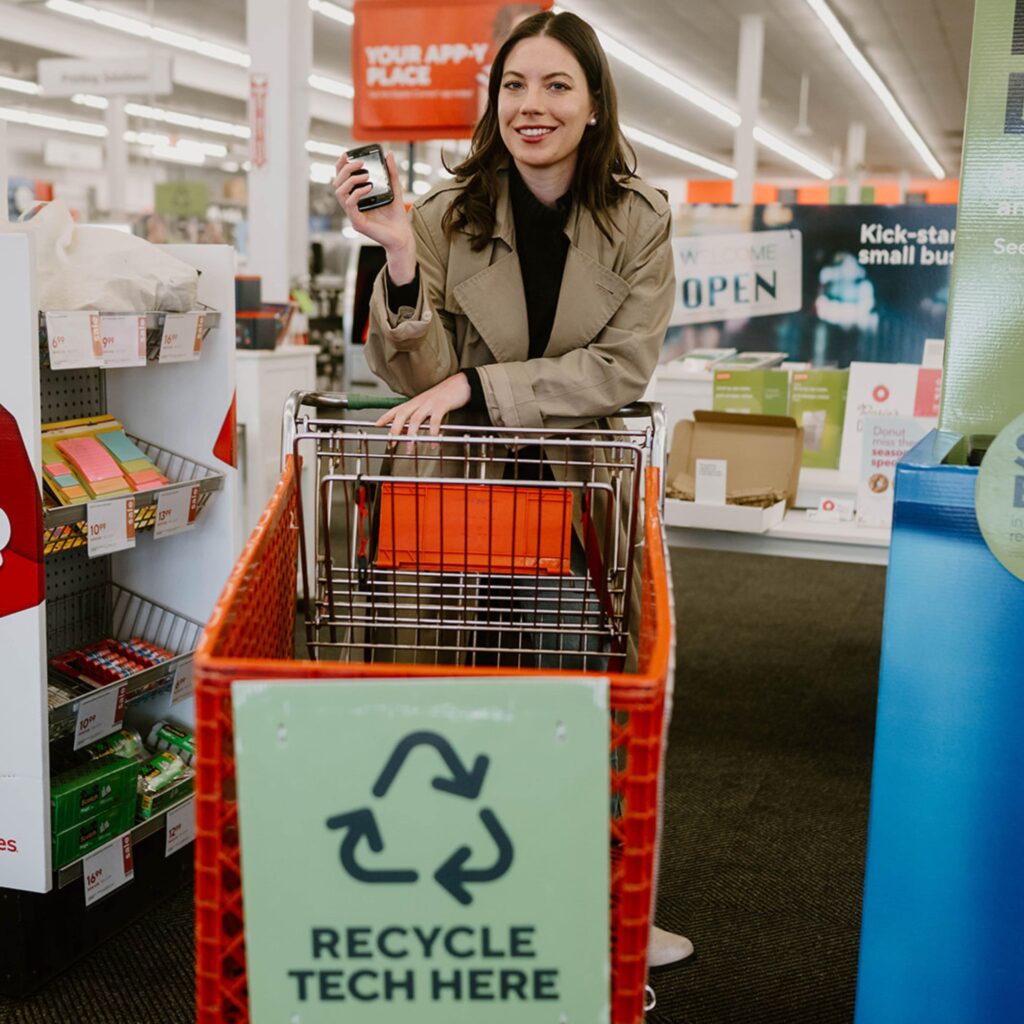
The environmental toll of these practices is significant. According to the Global E-waste Monitor, the world generated 53.6 million metric tons of electronic waste in 2019, a figure projected to grow to 74 million tons by 2030. Only 17.4% of this waste is documented as being properly collected and recycled. Furthermore, the constant extraction of raw materials—such as lithium, cobalt, and rare earth elements—to fuel the replacement cycle contributes to habitat destruction and high carbon emissions.

The Global Legislative Response
The legality of planned obsolescence varies significantly by jurisdiction. In the United States, there are currently no federal laws explicitly prohibiting the practice. Manufacturers are generally free to determine the durability and "repairability" of their products. However, a growing "Right to Repair" movement has gained traction at the state level. New York, California, Minnesota, Colorado, and Oregon have passed legislation requiring manufacturers to provide consumers and independent repair shops with the same parts, tools, and documentation available to authorized service providers.
In contrast, other nations have taken more aggressive stances. France was a pioneer in this field, passing the Energy Transition for Green Growth Act in 2015. This law made planned obsolescence a criminal offense, punishable by up to two years in prison and fines of up to €300,000 or 5% of the company’s average annual turnover. Additionally, France introduced a "Repairability Index" for electronics, requiring brands to display a score out of ten based on how easily a product can be fixed.
Canada has also made strides toward consumer protection. In Quebec, the provincial government passed Bill 29 in 2023, which prohibits the sale of products for which obsolescence is planned and mandates that replacement parts and repair services be available at a reasonable price for a reasonable duration.
6 Strategic Ways to Combat Planned Obsolescence
While systemic change requires legislative action, consumers can utilize several strategies to resist the cycle of premature replacement and promote product longevity.

1. Prioritizing Durable and Repairable Goods
The most effective way to combat obsolescence is to invest in high-quality products built from sustainable materials. In the textile industry, this means opting for natural fibers like organic cotton, hemp, and wool over synthetic polyester. While natural fibers generally have a higher upfront cost, their durability often results in a lower "cost per wear" over time. For furniture, consumers should seek out solid wood constructions rather than particle board or medium-density fiberboard (MDF), which are difficult to repair once damaged. Researching brands that offer lifetime warranties or "buy back" programs can also ensure that a product is designed with its end-of-life in mind.
2. Advocating for Right to Repair Legislation
Consumer advocacy is a powerful tool for legislative change. By supporting organizations like the Public Interest Research Group (PIRG) or the Repair Association, individuals can apply pressure on lawmakers to expand Right to Repair laws. These laws are essential for breaking the monopolies that manufacturers hold over the repair market, which often make fixing a device more expensive than buying a new one.

3. Utilizing Secondhand and Refurbished Markets
The secondhand economy is a vital component of the circular economy. Purchasing refurbished electronics from reputable vendors ensures that devices are diverted from landfills and given a second life. Similarly, vintage furniture and clothing are often built to higher standards of craftsmanship than contemporary mass-produced items. Platforms dedicated to the resale of high-quality goods help reduce the demand for new resource extraction.
4. Developing Basic Repair Skills
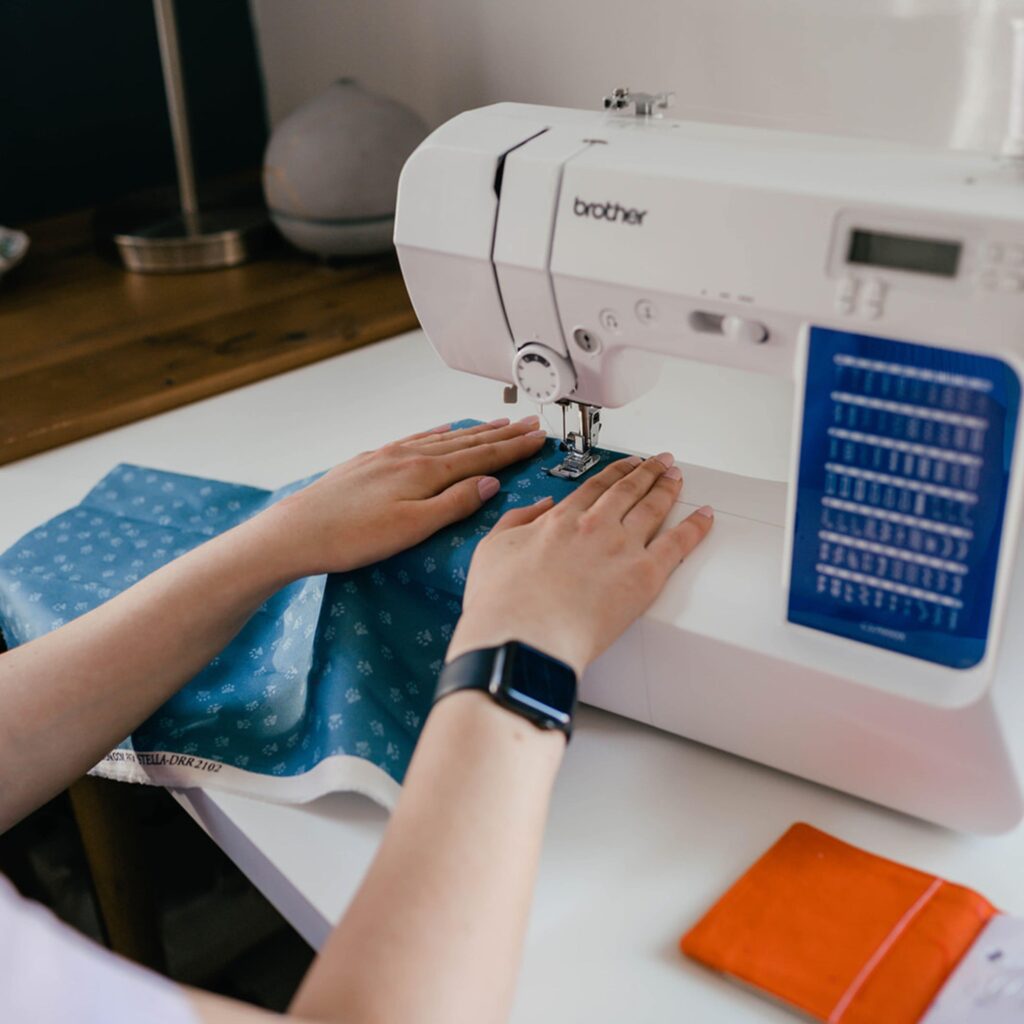
A decline in traditional repair skills has contributed to the "throwaway culture." Learning basic maintenance, such as sewing a button, replacing a smartphone battery, or refinishing a wooden table, can significantly extend the life of household items. Online resources and community workshops provide accessible avenues for learning these skills, empowering consumers to maintain their possessions rather than replacing them at the first sign of wear.
5. Engaging with Community Repair Cafes
Repair Cafes are free, community-led meetings where volunteers with repair expertise help neighbors fix their broken items. These events foster a culture of resourcefulness and community resilience. Beyond the physical act of repairing a chair or a toaster, these spaces facilitate the transfer of knowledge and reduce the social stigma associated with using repaired goods.
6. Practicing Mindful Consumption and Maintenance
The "30-day rule"—waiting a month before making a non-essential purchase—is an effective psychological barrier against impulse buys driven by marketing-induced obsolescence. Furthermore, proactive maintenance is key to longevity. Regularly servicing appliances, properly storing seasonal clothing, and keeping software clean can prevent the gradual degradation that often leads to premature disposal. Borrowing or renting items that are only needed for a specific task—such as power tools or specialty kitchenware—further reduces the overall volume of goods in circulation.

Broader Economic and Social Implications
The shift away from planned obsolescence represents a fundamental challenge to the "linear" economic model of "take-make-dispose." Critics of anti-obsolescence measures argue that increased product longevity could slow economic growth and reduce innovation. However, proponents argue that a "circular" economy creates new opportunities in the service, repair, and recycling sectors.
A report by the European Environmental Bureau suggests that extending the lifetime of all washing machines, smartphones, laptops, and vacuum cleaners in the EU by just one year would save 4 million tonnes of CO2 annually by 2030—the equivalent of taking 2 million cars off the roads. Transitioning to a model that values durability over disposal is not only an environmental necessity but also a path toward greater economic security for consumers, who are currently trapped in a cycle of constant and costly replacements. As global awareness grows, the pressure on manufacturers to design for the long term will likely continue to intensify, reshaping the future of global production.


