
The global personal care industry is facing a transformative period as consumers increasingly pivot away from multi-step, chemically intensive routines toward sustainable, minimalist alternatives. At the center of this shift is the growing rejection of synthetic bath accessories, such as the ubiquitous plastic mesh pouf, in favor of biodegradable solutions like the konjac sponge. This transition is driven by a combination of heightened environmental awareness, dermatological concerns regarding microplastics, and the rise of the "zero-waste" lifestyle. Brands such as Casamera have emerged as leaders in this niche, offering high-performance, plant-based alternatives that challenge the traditional "everything shower" narrative—a social media trend that often encourages the use of a dozen or more plastic-packaged products.
The Botanical Origins and Science of Konjac
To understand the efficacy of the konjac sponge, one must examine its botanical source: the Amorphophallus konjac plant. Native to warm subtropical and tropical eastern Asia, from Japan and southern China to Indonesia, the konjac plant is a perennial known for its large starchy tubers. While it has been used in Asian medicine and cuisine for over 1,500 years, its application in skincare is a more recent global phenomenon.
The manufacturing process of a konjac sponge is a study in natural chemistry. It begins with the extraction of glucomannan, a water-soluble dietary fiber, from the plant’s root. This fiber is mixed with water and, in many cases, natural mineral additives. The resulting gel-like substance is poured into molds and subjected to a steaming process. This heat treatment solidifies the glucomannan into a porous, structural matrix.
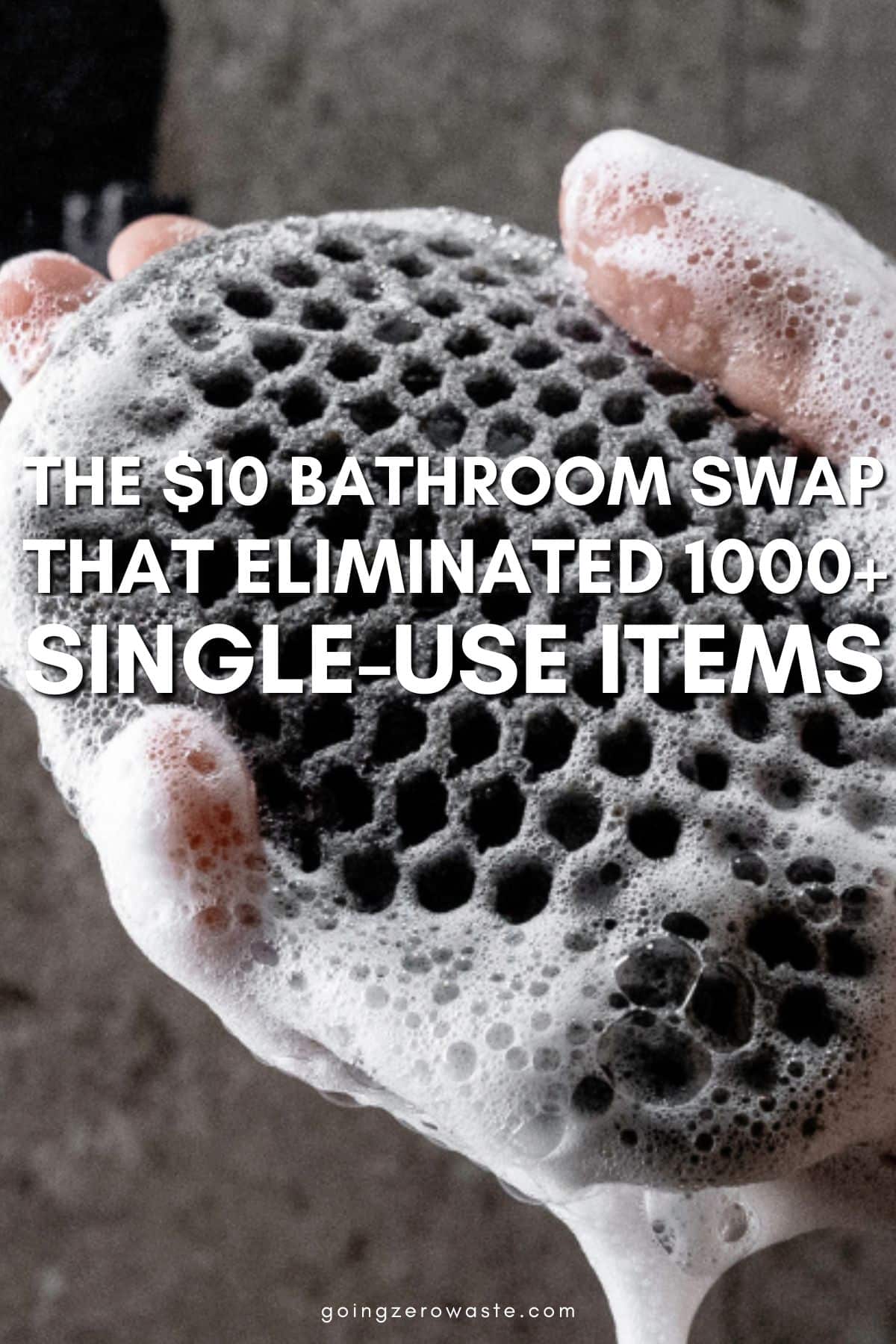
Innovations in the sector have allowed for specialized infusions. For instance, Casamera integrates varied natural elements into the konjac matrix to target specific skin concerns. Charcoal-infused sponges are designed for oily or acne-prone skin due to the carbon’s ability to adsorb impurities. Other variations include matcha for antioxidant benefits, volcanic mud for deep mineral cleansing, and peppermint for its refreshing properties. The inclusion of crushed walnut shells on one side of certain sponges provides a dual-textured experience, offering both soft cleansing and mechanical exfoliation.
Environmental Context: The Crisis of Synthetic Bathing Accessories
The move toward konjac sponges is not merely a matter of aesthetic preference but a response to a documented environmental crisis. Conventional bath poufs are typically manufactured from polyethylene or other plastics. These items are designed for short lifespans, with dermatologists often recommending replacement every two months to avoid bacterial buildup. Consequently, millions of these non-biodegradable items are destined for landfills annually.
Furthermore, synthetic sponges contribute to the proliferation of microplastics. As these plastic meshes degrade during use, microscopic fragments are shed and washed down drains, eventually entering the marine ecosystem. Research from the International Union for Conservation of Nature (IUCN) suggests that synthetic textiles and personal care products are significant contributors to the 1.5 million tons of primary microplastics entering the oceans each year.
In contrast, a high-quality konjac sponge is 100% compostable. At the end of its functional life—typically two to three months—the sponge can be returned to the earth, where it breaks down into organic matter without leaving a trace of chemical or plastic residue. This circular lifecycle represents a significant advancement in sustainable product design.
Comparative Analysis: Konjac Sponges versus Disposable Face Wipes
The environmental impact of personal care extends beyond the shower to the vanity, where disposable face wipes have long been a staple of convenience. However, the journalistic and environmental scrutiny of these products has intensified. Most face wipes are composed of a blend of polyester, polypropylene, and cotton, making them non-biodegradable.
A critical concern for municipal infrastructure is the formation of "fatbergs"—massive, solidified blockages in sewer systems. Fatbergs are formed when non-biodegradable items, specifically wet wipes, combine with fats, oils, and grease in the pipes. In major metropolitan areas like London and New York, the removal of fatbergs costs taxpayers millions of dollars annually. Despite many wipes being marketed as "flushable," independent testing has repeatedly shown that they do not disintegrate like toilet paper.
From a dermatological perspective, many disposable wipes are saturated with preservatives and surfactants, including some linked to Per- and Polyfluoroalkyl Substances (PFAS), often referred to as "forever chemicals." These can disrupt the skin’s natural acid mantle and cause irritation. The konjac sponge offers a mechanical alternative to these chemical cleansers. When saturated with water, the sponge becomes incredibly soft and develops a thin film of water on its surface, allowing it to lift makeup and grime with minimal friction and often without the need for harsh detergents.
Operational Procedures: Maintenance and Longevity
The utility of a konjac sponge is dependent on proper maintenance, a factor that distinguishes it from the "disposable" mindset of modern consumerism. To ensure the longevity and hygiene of the product, industry experts recommend a specific sequence of care:

- Hydration: The sponge must be fully submerged in water until it expands and softens completely. Using a dry konjac sponge can cause micro-abrasions on the skin.
- Application: While the sponge can be used with water alone, a small amount of cleanser can be added to the center to create a rich lather.
- Mechanical Action: Users are advised to massage the skin in circular motions. Dual-sided sponges allow for targeted exfoliation on areas like the elbows or knees, while the softer side is reserved for the face.
- Sanitization: Unlike plastic poufs, which trap bacteria in their folds, the porous nature of the konjac sponge allows for deep cleaning. It is recommended to sanitize the sponge once a week by placing it in boiling water for two minutes.
- Drying: Proper airflow is essential. Most sustainable brands include an ergonomic handle or a cotton string to hang the sponge in a well-ventilated area, preventing the growth of mold.
Market Trends and Corporate Responsibility
The rise of Casamera and similar entities reflects a broader trend in corporate social responsibility (CSR). Modern consumers are no longer satisfied with the product alone; they demand transparency regarding the supply chain and the manufacturer’s carbon footprint.
Data indicates that the sustainable personal care market is projected to grow significantly over the next decade. This growth is supported by brands adopting "plastic-free" shipping protocols, utilizing recycled cardboard and compostable mailers. Furthermore, the integration of carbon-offsetting programs—such as planting trees for every purchase—has become a standard for companies looking to mitigate the environmental impact of manufacturing and logistics.
The "de-influencing" movement on platforms like TikTok and Instagram has also played a role. As creators begin to speak out against excessive consumption and the "everything shower" culture, minimalist tools like the konjac sponge—which can replace multiple plastic bottles of exfoliating scrubs and bags of cotton pads—have gained traction as the "smarter" choice for the modern consumer.
Broader Impact and Economic Implications
The shift toward sustainable bath accessories carries subtle but important economic implications. While a konjac sponge may have a higher upfront cost than a cheap plastic pouf, its multi-functional nature (acting as a cleanser, exfoliator, and makeup remover) can reduce the overall number of products a consumer needs to purchase.

Moreover, the antimicrobial properties inherent in high-quality konjac sponges—often enhanced by infusions like charcoal—mean they stay fresh longer than synthetic counterparts, provided they are dried correctly. This reduces the frequency of replacement and, by extension, the volume of waste generated by the household.
From a public health perspective, the reduction of microplastics in the water supply is a long-term benefit that is difficult to quantify but essential for ecological stability. As more consumers adopt these plant-based tools, the cumulative reduction in plastic waste could significantly alleviate the pressure on local waste management systems and marine conservation efforts.
Conclusion: The Future of Personal Hygiene
The konjac sponge represents more than just a trend in the beauty industry; it is a manifestation of a necessary evolution in how society approaches personal hygiene. By combining ancient botanical knowledge with modern sustainable manufacturing, brands are proving that effective skincare does not require an environmental trade-off.
As regulatory bodies continue to investigate the impact of microplastics and "forever chemicals," the demand for transparent, biodegradable, and plant-based alternatives is expected to accelerate. The success of the konjac sponge serves as a blueprint for other sectors of the personal care industry, demonstrating that the path to a cleaner future begins with the simple, intentional choices made in the daily ritual of the shower. Through maintenance, education, and a commitment to zero-waste principles, the transition from plastic poufs to natural scrubbers marks a significant step toward a more sustainable global ecosystem.