

The modern skincare industry is currently undergoing a significant paradigm shift as consumers move away from conventional formulations toward products characterized by transparency and safety. The human skin, serving as the body’s largest organ and its primary defense against environmental pathogens and hazardous substances, is highly permeable. This biological reality has fueled a growing movement to scrutinize the complex, often unpronounceable ingredient lists found on the back of standard retail lotions. While the presence of complex chemical names does not inherently signify a health risk, the lack of stringent regulatory oversight in the cosmetic sector has led health advocates and environmental scientists to call for a more cautious approach to daily skincare routines.
The Regulatory Landscape and the Rise of Clean Beauty
For decades, the regulation of personal care products in the United States remained largely unchanged, operating under the Federal Food, Drug, and Cosmetic Act of 1938. Unlike the European Union, which has banned or restricted over 1,300 chemicals for use in cosmetics, the U.S. Food and Drug Administration (FDA) historically exercised limited authority over the industry. However, the 2022 Modernization of Cosmetics Regulation Act (MoCRA) represented the first major overhaul of cosmetic legislation in over 80 years, granting the FDA more power to oversee product safety, mandate facility registrations, and require serious adverse event reporting.
This legislative evolution mirrors a broader shift in consumer behavior. The "Clean Beauty" market, once a niche segment of the wellness industry, is now projected to reach a global valuation of billions of dollars by the end of the decade. This growth is driven by data suggesting that dermal absorption can lead to the systemic presence of certain chemicals, some of which are linked to endocrine disruption and reproductive issues.
Identifying Hazardous Compounds: A Scientific Breakdown
To navigate the market effectively, consumers must identify specific classes of chemicals that have been flagged by organizations such as the Environmental Working Group (EWG) and the Breast Cancer Prevention Partners. The following ingredients are frequently cited as primary concerns in conventional lotion formulations:
Parabens (Methylparaben, Propylparaben, Butylparaben)
Parabens are a class of synthetic preservatives used to prevent the growth of mold and bacteria. Their ubiquity in skincare is due to their efficacy and low cost. However, scientific studies have identified parabens as xenoestrogens—substances that mimic the hormone estrogen. This mimicry can disrupt the endocrine system, and parabens have been detected in human breast tumor tissue, though a definitive causal link to cancer remains a subject of ongoing research.
Phthalates
Often hidden under the generic term "fragrance," phthalates are used to make scents last longer and to improve the flexibility of plastics. Research conducted by the Centers for Disease Control and Prevention (CDC) has found that phthalate exposure is widespread in the U.S. population. These chemicals are categorized as endocrine disruptors and have been associated with developmental and reproductive toxicity.
Synthetic Fragrance (Parfum)
Under current labeling laws, companies are not required to disclose the specific chemicals used to create a product’s scent, as these are considered "trade secrets." A single "fragrance" listing can contain dozens, or even hundreds, of undisclosed chemicals, many of which are known allergens or respiratory irritants.
Mineral Oil and Petrolatum
While mineral oil is an effective occlusive that traps moisture in the skin, it is a byproduct of petroleum refining. Concerns regarding mineral oil primarily center on the potential for contamination with polycyclic aromatic hydrocarbons (PAHs), which are known carcinogens. Furthermore, as a non-renewable resource, mineral oil carries a higher environmental footprint than plant-based oils.

The Environmental Impact: Packaging and Microplastics
The transition to non-toxic skincare is inextricably linked to environmental sustainability. The plastic pollution crisis has introduced new risks to human health, specifically through Endocrine Disrupting Chemicals (EDCs) found in plastic packaging. As plastic bottles degrade, they shed microplastics—particles smaller than five millimeters—which have recently been detected in human blood, lung tissue, and even placentas.
Forward-thinking brands are addressing this by adopting "circular" packaging models. This includes the use of infinitely recyclable materials like glass and aluminum, as well as refillable systems that eliminate the need for single-use plastic. By choosing lotions with low-waste packaging, consumers mitigate their exposure to EDCs that can leach from plastic containers into the product itself.
Decoding Third-Party Certifications
In an era of "greenwashing," where marketing terms like "natural" and "eco-friendly" are not legally defined, third-party certifications provide a vital layer of accountability.
- EWG Verified: This mark indicates that a product meets the Environmental Working Group’s strictest standards for health and transparency, avoiding all ingredients on the organization’s "unacceptable" list.
- MADE SAFE: This certification signifies that a product has been rigorously screened for over 6,500 prohibited substances, ensuring it does not contain known carcinogens, endocrine disruptors, or ecosystem toxins.
Analysis of the 8 Leading Non-Toxic Lotion Options
The following brands have been identified as industry leaders for their commitment to ingredient purity, ethical sourcing, and sustainable packaging.
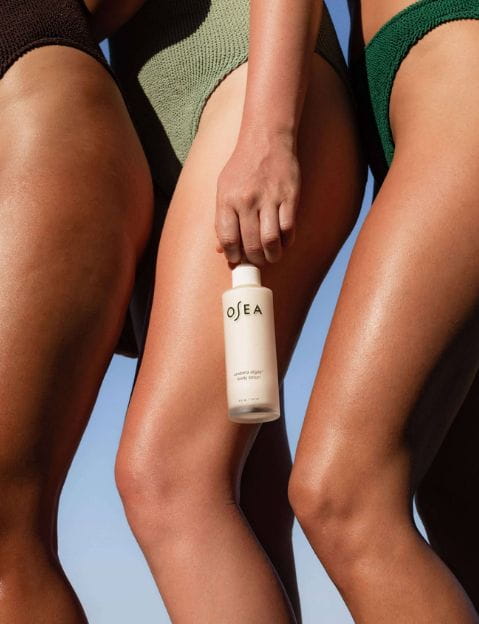
1. Osea
Based in California, Osea has built a reputation on the use of seaweed-based formulations. Their products are vegan, cruelty-free, and climate-neutral. By utilizing bioavailable sea minerals and organic algae, Osea provides deep hydration without the use of synthetic thickeners or harsh preservatives. Their commitment to glass packaging further reduces the risk of chemical leaching.
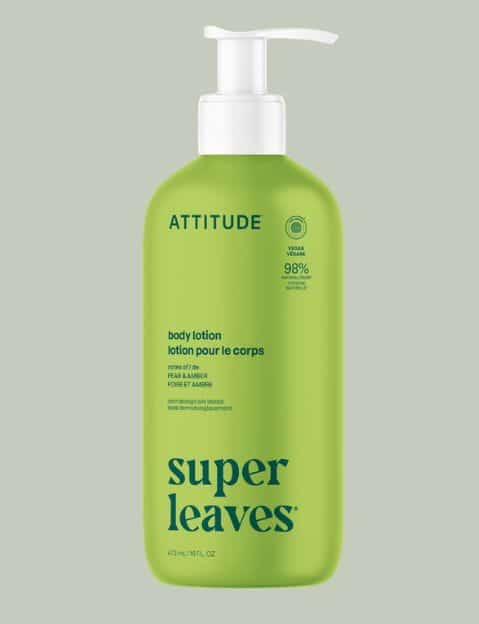
2. Attitude
Attitude focuses on "Living Consciously" through products that are EWG Verified and dermatologically tested. They are pioneers in plastic-free packaging, offering many of their lotions in biodegradable cardboard tubes or refillable aluminum bottles. Their formulations prioritize plant-based ingredients like grape seed oil and olive oil.
3. Ecoroots
Ecoroots caters to the zero-waste movement, offering lotions in glass jars with metal lids. Their ingredient lists are notably short and transparent, often featuring organic shea butter and essential oils. By avoiding plastic entirely, Ecoroots minimizes the carbon footprint associated with shipping and disposal.
4. Public Goods
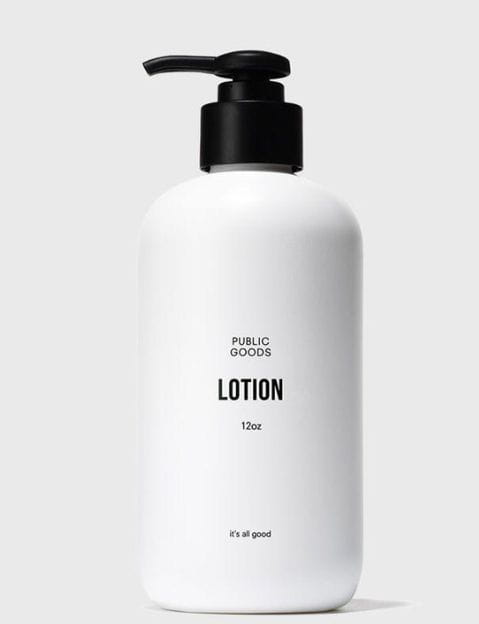
Public Goods operates on a membership model that prioritizes minimalist design and clean ingredients. Their lotions are formulated without parabens or synthetic fragrances and are often available in large-format refill pouches. This approach reduces the total volume of plastic used in the supply chain.
5. Plaine Products
Plaine Products has revolutionized the industry with a circular subscription model. Customers receive lotion in aluminum bottles; once empty, the bottles are returned to the company, washed, refilled, and sent back out to new customers. Their vegan, non-GMO formulas are designed for high efficacy and environmental safety.
6. The Good Fill
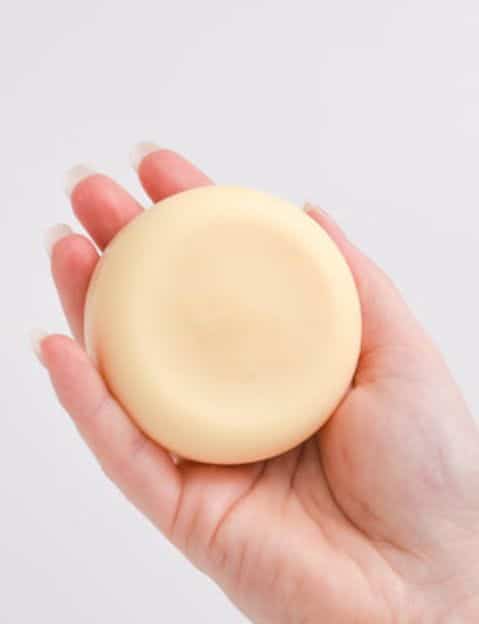
A Nashville-based refillery, The Good Fill provides unscented face and body lotions that serve as a blank canvas for those with sensitive skin. Their focus is on high-quality, bulk-sourced ingredients that can be purchased in reusable containers, significantly reducing domestic waste.
7. Meow Meow Tweet
This B Corp-certified brand is known for its ethical commitments and whimsical, artist-designed packaging. They offer "bulk" options and use compostable or recyclable materials. Their Aloe Rose lotion, for instance, utilizes plant hydrosols and organic oils to soothe the skin barrier naturally.
8. Upcircle
Upcircle represents the cutting edge of "upcycled" beauty. They source residual ingredients from other industries—such as coffee grounds, fruit stones, and flower petals—and transform them into high-performance skincare. This circular economy approach prevents organic waste from entering landfills while providing nutrient-dense topical treatments.
Chronology of the Clean Skincare Movement
The evolution of the non-toxic movement can be traced through several key milestones:
- Early 2000s: The emergence of wellness blogs and the EWG’s "Skin Deep" database begins to educate consumers on cosmetic chemistry.
- 2010-2015: "Clean Beauty" retailers like The Detox Market and Credo Beauty establish strict ingredient standards, forcing legacy brands to reconsider their formulations.
- 2018: The "Zero Waste" movement gains mainstream traction, shifting the focus from just ingredients to the sustainability of the entire product lifecycle.
- 2022: The passage of MoCRA in the U.S. signals a new era of federal oversight and mandatory safety disclosures.
Broader Implications and Future Outlook
The rise of non-toxic lotions is more than a fleeting trend; it is a fundamental shift in the relationship between industry and the consumer. As more data emerges regarding the long-term effects of chemical bioaccumulation, the demand for "clean" products is expected to become the baseline rather than the exception.
Economically, this shift is pressuring major conglomerates to acquire smaller, clean-label brands or reformulate their existing portfolios to maintain market share. Environmentally, the move toward refillable and plastic-free packaging offers a tangible solution to the beauty industry’s significant waste problem.
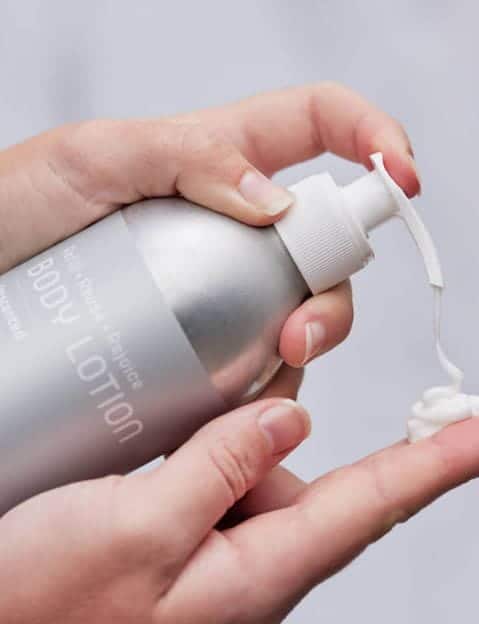
In conclusion, the selection of a body lotion is a decision that impacts both personal health and global ecology. By prioritizing products free from parabens, phthalates, and synthetic fragrances, and by supporting brands that utilize sustainable packaging, consumers can protect their skin’s integrity while contributing to a more sustainable future. The 8 brands highlighted in this analysis represent the vanguard of this movement, proving that high-performance skincare does not require a compromise on safety or ethics.


