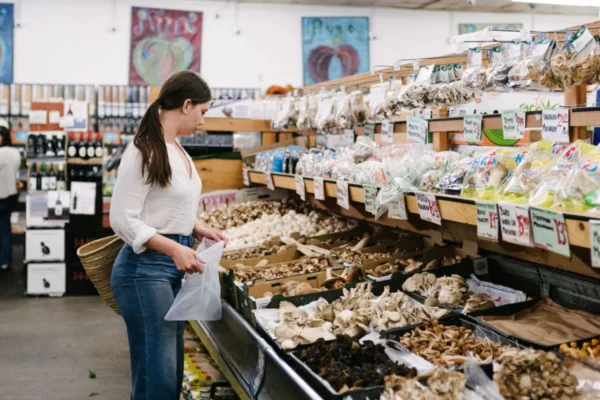
How I Cut My Grocery Bill to $300 a Month and Strategies for Managing Rising Food Inflation

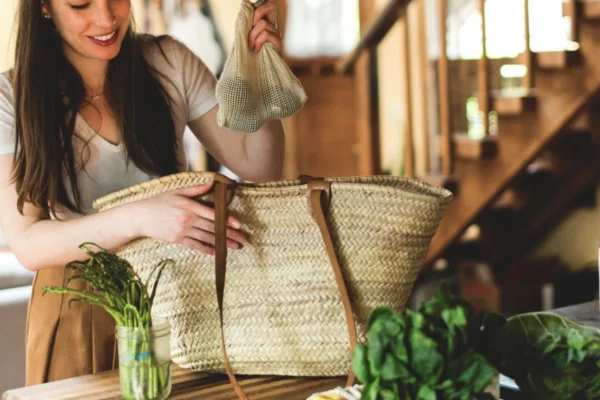
The rising cost of living has placed unprecedented pressure on household finances, with food expenditures emerging as one of the most significant variables in the monthly budget. According to data from the United States Department of Agriculture (USDA), the average American couple now spends approximately $800 per month on groceries, which translates to a weekly…

Read More

Mastering the Art of Sustainable Meal Planning and Preparation to Combat Food Waste and Economic Inflation

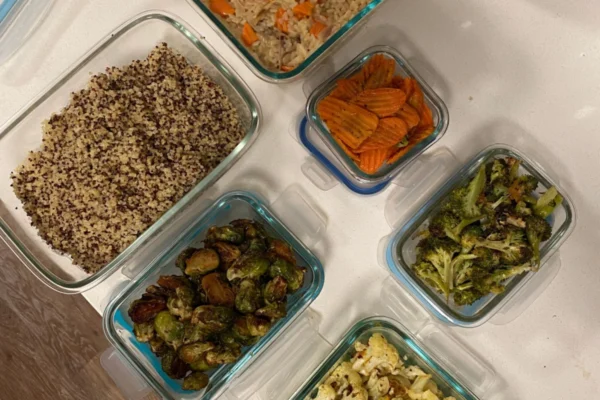
The global food system is currently facing a dual crisis: unprecedented levels of waste and escalating grocery costs driven by inflation. Domestic food management, specifically the practices of meal planning and meal preparation, has emerged as a primary strategy for households seeking to mitigate these challenges. By shifting from reactive grocery shopping to a structured,…

Read More

How to Reduce Infant Exposure to Plastic and Endocrine-Disrupting Chemicals

The global baby care market, currently valued at over $90 billion, remains heavily reliant on synthetic polymers and plastic-based materials. From the prevalence of polyester textiles in infant apparel to the ubiquitous use of polypropylene in feeding bottles and the complex multi-layered plastic structures of disposable diapers, modern infancy is characterized by near-constant contact with…

Read More

Sustainable Food Storage Solutions as a Strategic Response to the Economic and Environmental Costs of Household Food Waste

The United States currently faces a systemic challenge regarding food management, with approximately 40 percent of the national food supply going to waste annually. This inefficiency carries significant financial consequences for the average American household, which loses an estimated $2,913 per year to discarded food, according to data from the Environmental Protection Agency (EPA). Beyond…

Read More

Comprehensive Strategies for Mitigating Global Food Waste and Enhancing Household Economic Sustainability

Global food systems currently face a profound paradox: while nearly 800 million people suffer from chronic undernourishment, approximately 1.3 billion tons of edible food are discarded annually. This staggering volume of waste represents roughly one-third of all food produced for human consumption. In the United States, the crisis is particularly acute, with estimates from the…

Read More

The Ultimate Guide to Zero Waste Grocery Shopping

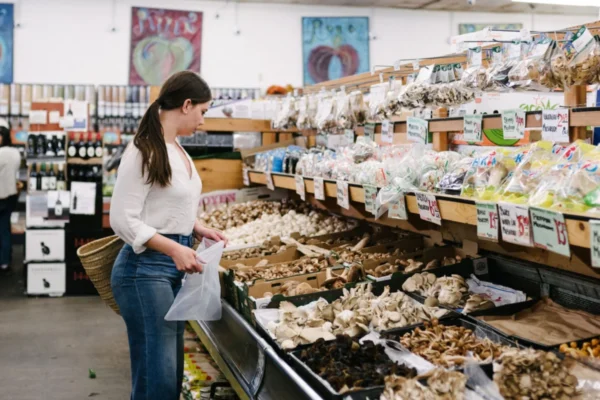
The modern global food supply chain faces a dual crisis of environmental degradation and economic volatility, driven primarily by the proliferation of single-use plastics and systemic food waste. According to data from Our World in Data, plastic food packaging accounts for approximately 40 percent of all plastic waste generated globally, with the United States, Europe,…

Read More

How I Cut My Grocery Bill to $300 a Month

As the global economy grapples with persistent inflationary pressures, the rising cost of living has become a primary concern for households worldwide. According to recent data from the United States Department of Agriculture (USDA), the average American couple now spends approximately $800 per month on groceries, which translates to a weekly expenditure of $200. This…

Read More

6 Best Non Toxic Diapers For Babies

The modern diaper industry is undergoing a significant transformation as parents increasingly prioritize dermatological safety and environmental sustainability over the convenience of traditional disposable options. For the average newborn, the consumption rate of 10 to 12 diapers per day translates into approximately 3,600 to 4,300 diapers in the first year alone. This high volume of…

Read More

8 Best Non Toxic Rugs For a Sustainable Home

The modern residential environment has undergone a silent chemical transformation over the last half-century, with synthetic polymers replacing natural fibers in nearly every category of home decor. Recent environmental health assessments reveal that a significant majority of contemporary area rugs are manufactured using polyester, a petroleum-based plastic that contributes to indoor air pollution and microplastic…

Read More

50 DIY Christmas Presents Anyone Can Make

The 2025 holiday season marks a significant pivot in global consumer behavior as the "handmade holiday" movement gains unprecedented momentum. Emerging from a decade defined by hyper-commercialization and rapid-delivery e-commerce, a growing demographic of consumers is opting for "presence over presents." This shift, characterized by a return to 1990s-style festivities—emphasizing simplicity, craft-based activities, and low-pressure…

Read More