The Culinary and Medicinal Evolution of the Common Dandelion in Modern Gastronomy

The common dandelion, Taraxacum officinale, is undergoing a significant transformation in public perception, evolving from a maligned garden weed into a valued component of the burgeoning "backyard foraging" movement. Once the primary target of intensive herbicidal regimens in suburban North America, this resilient perennial is now being recognized by culinary experts and herbalists for its…

Read More

The Art and Science of Herbal Oil Infusion A Comprehensive Guide to Natural Skincare Foundations

The burgeoning global market for natural and organic personal care products, which reached a valuation of approximately $18.5 billion in 2022, has sparked a renewed interest in traditional botanical preparation techniques. Central to this movement is the practice of herbal oil infusion, a foundational process that serves as the prerequisite for creating a vast array…

Read More

The Essential Guide to Foraging and Utilizing Purple Dead Nettle for Natural Skincare Solutions

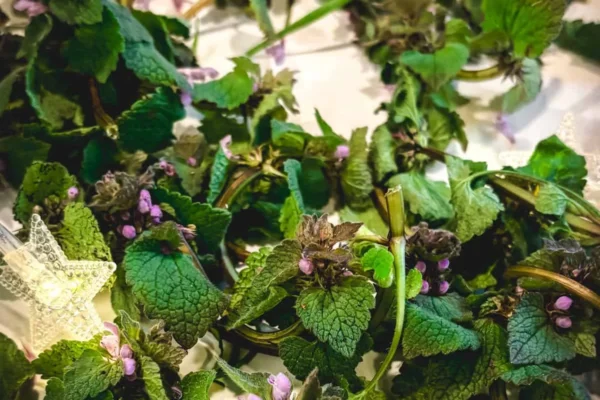
As the agricultural and botanical sectors witness a resurgence in traditional herbalism, the purple dead nettle (Lamium purpureum) has emerged as a focal point for researchers and home-based practitioners alike. Often dismissed as a common garden weed, this member of the Lamiaceae, or mint family, is increasingly recognized for its diverse phytochemical profile and its…

Read More

The Multifaceted Legacy of Glechoma Hederacea: Reevaluating Creeping Charlie as a Sustainable Resource for Modern Foraging and Herbalism

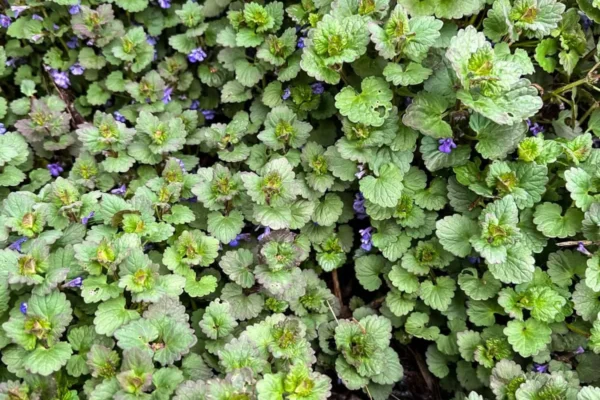
Glechoma hederacea, a perennial evergreen mat-forming herb commonly known as creeping charlie or ground ivy, has long occupied a dual role in the North American landscape as both a persistent garden weed and a potent medicinal resource. Belonging to the Lamiaceae, or mint family, this species is characterized by its aggressive growth patterns, dainty purple…

Read More

A Comprehensive Guide to Foraging and Preparing Sautéed Purslane for Optimal Nutritional Benefit and Culinary Diversity

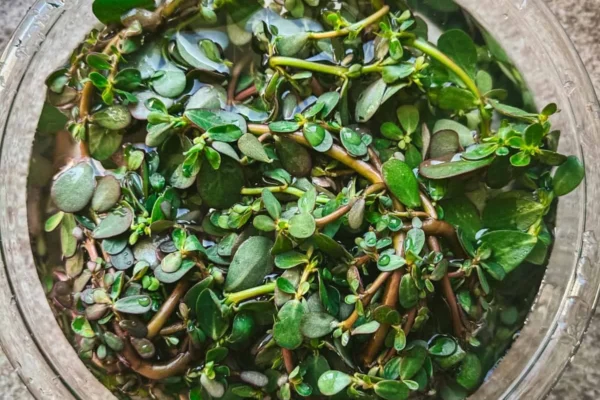
The global culinary landscape is witnessing a significant shift toward the integration of wild-growing botanicals, with Portulaca oleracea, commonly known as purslane, emerging as a primary subject of interest for nutritionists and chefs alike. Often dismissed as a common garden weed, purslane is a succulent annual that offers a unique combination of high nutritional density…

Read More

The Science and Tradition of the Summer Blackberry Crisp

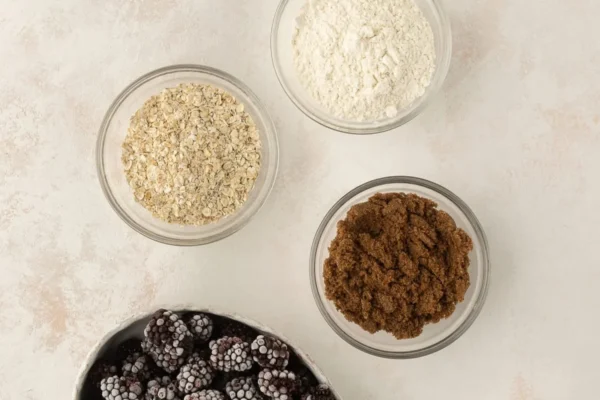
The blackberry crisp represents a cornerstone of seasonal American confectionery, utilizing the peak harvest of the Rubus genus to create a textured contrast between macerated fruit and a tempered oat-based crumb. As agricultural cycles reach their zenith in the mid-to-late summer months, the utilization of blackberries in baked desserts has evolved from a necessity of…

Read More

The Art and Science of Botanical Infusion A Comprehensive Guide to Crafting Herbal Oils for Natural Skincare

The production of infused herbal oils represents the foundational pillar of contemporary artisanal skincare, serving as the essential precursor to the formulation of therapeutic salves, body butters, and restorative creams. As the global consumer market shifts increasingly toward "clean beauty" and transparent ingredient sourcing, the mastery of lipid-based extraction—the process of transferring oil-soluble phytochemicals from…

Read More

The Comprehensive Guide to Foraging and Preparing Purple Dead Nettle Salve for Natural Skin Care

As the northern hemisphere transitions from the dormancy of winter to the vitality of early spring, the emergence of Lamium purpureum, commonly known as purple dead nettle, marks a significant period for both foragers and traditional herbalists. While often dismissed as a common garden weed, this member of the Lamiaceae (mint) family is increasingly recognized…

Read More

The Ecology and Culinary Significance of the Shaggy Mane Mushroom Coprinus Comatus in Northern Ecosystems

The Shaggy Mane mushroom, scientifically classified as Coprinus comatus, represents one of the most distinctive and biologically intriguing fungi found within the temperate regions of the Northern Hemisphere, as well as parts of Australia and New Zealand. Known colloquially by various names, including the "Shaggy Ink Cap" and "Lawyer’s Wig," this species is a member…

Read More

The Ultimate Holiday Gift Guide for Fermentation Enthusiasts and Homebrewers

The burgeoning interest in artisanal food preservation and domestic brewing has transformed fermentation from a niche survivalist skill into a mainstream culinary movement, driving a significant market for specialized equipment and educational resources. As the holiday season approaches, the demand for high-quality fermentation kits, probiotic starters, and homebrewing supplies has reached a cyclical peak. This…

Read More